LOADING LOCATION...
Back to All Locations
Prefecture
Akita
Budget Powder Paradise
5m+
Avg Snowfall
-6°C
Avg Temp
20
Resorts
Regional Guide
About Akita
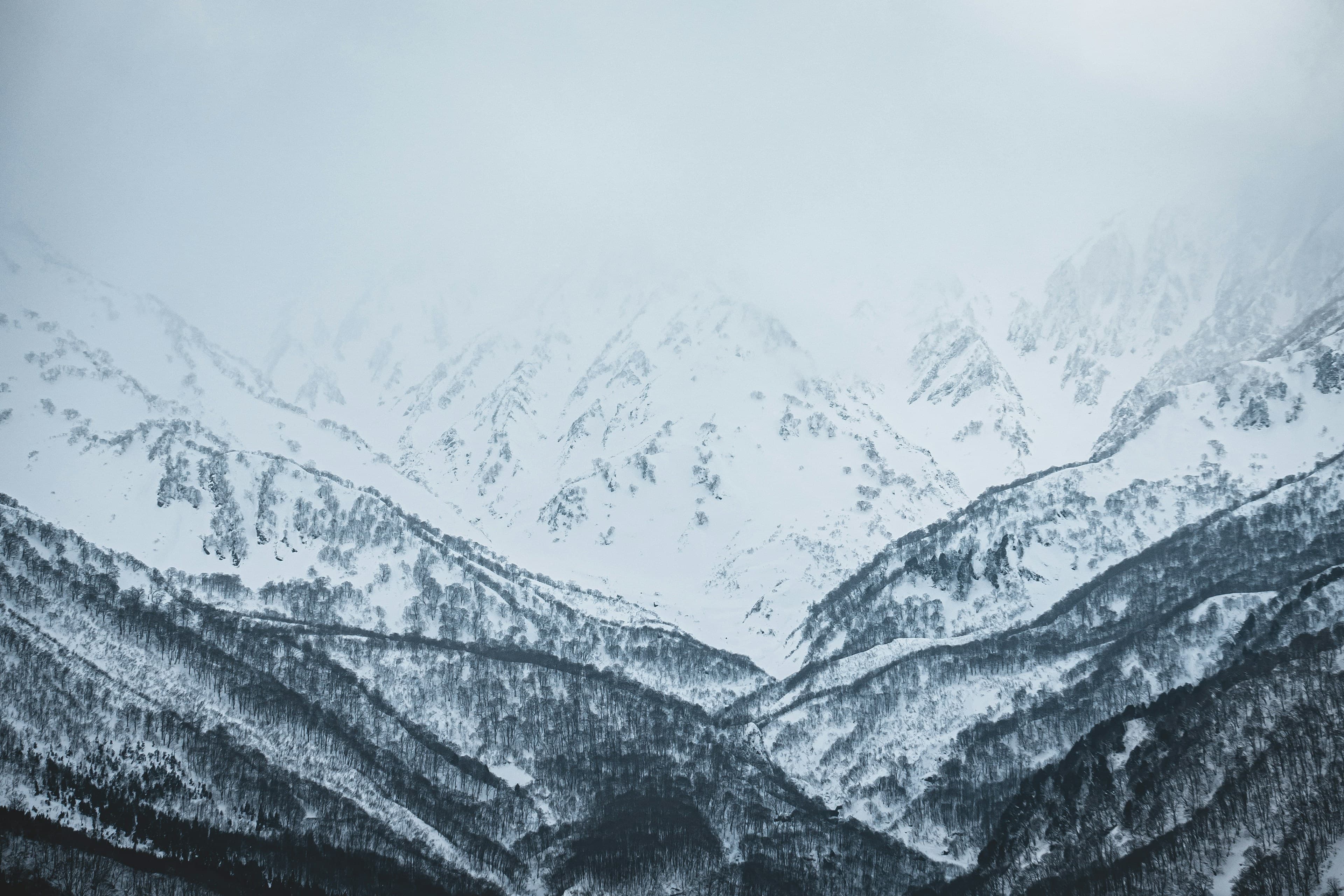
Akita Prefecture is Japan's powder secret for purists who want the Sea of Japan snowbelt experience without the crowds or the price tags. This is where you'll find dirt-cheap old-school ski hills blanketed in over five meters of annual snowfall, hidden among onsen villages and rural Tohoku culture that feels untouched by the international ski circuit. Most of Akita's 20-odd ski areas are tiny local mountains with one or two lifts, but that's exactly the point - you're skiing authentic Japan where kiritanpo hotpot and family-run ryokan matter more than groomed boulevards.
“This is locals-only territory where weekend warriors from nearby cities mix with farming families teaching their kids to ski on hills that barely register 1,000 meters of elevation. The atmosphere is purely domestic Japanese - think community center ski areas where everyone knows each other, lift tickets cost less than Tokyo lunch, and the biggest decision is which onsen to soak in after your runs. English is sparse, nightlife is non-existent, and that's precisely why the handful of international visitors who discover Akita fall in love with its authenticity.”
What Sets It Apart
Akita offers the most affordable way to experience Japan's legendary Sea of Japan powder belt, where Siberian storms dump consistent snow all winter long on hills that see maybe a dozen foreigners per season. While everyone fights for fresh tracks in Hokkaido and Nagano, you'll be floating through untracked birch forests on mountains that feel like private playgrounds.
Best For
- ✓Powder purists on tight budgets who prioritize snow quality over resort amenities - you'll get legitimate Sea of Japan snowbelt powder for a fraction of what Niseko costs
- ✓Cultural immersion seekers wanting authentic rural Japan experiences where skiing is just part of a deeper onsen-and-countryside journey through traditional Tohoku
- ✓Advanced skiers comfortable with small hills and basic facilities who can maximize terrain through sidecountry exploration and tree skiing
- ✓Multi-generation Japanese families or mixed groups where some prefer soaking in hot springs while others ski the gentle local slopes
Skip If
- ✗You need extensive terrain or challenging runs - most hills here max out around 600-700 meters elevation with only 1-2 lifts and gentle gradients
- ✗English support is essential for your comfort - these are community ski hills where basic Japanese phrases become necessary survival tools
- ✗You're expecting resort-style amenities, grooming, or après-ski scenes - this is bare-bones skiing where the mountain closes at 4pm and everyone goes home
- ✗You have limited time and want to maximize vertical feet - you can ski most Akita hills completely in half a day
Beyond the Slopes
The Local Experience
Regional Cuisine
Akita's winter cuisine revolves around kiritanpo-nabe, the prefecture's most famous dish where grilled rice skewers simmer in chicken broth with local Hinai-jidori free-range chicken, wild mountain vegetables, and miso. Inaniwa udon, featuring incredibly thin hand-stretched noodles, represents another signature dish perfect for warming up after cold powder days. The prefecture excels at hearty winter comfort foods like various nabe hotpots utilizing local ingredients, while Akita's reputation for exceptional sake stems from its premium rice production and pure mountain water. Rural izakaya and ryokan serve these specialties in authentic settings where recipes have been passed down through generations.
Where to Eat
Akita's winter food scene centers around kiritanpo-nabe, the prefecture's signature hotpot made with grilled mashed rice skewers, local Hinai-jidori chicken, and mountain vegetables - perfect après-ski comfort food. Look for this along with Inaniwa udon (thin hand-stretched noodles) and exceptional local sake since Akita is renowned nationally for rice production and brewing. Most dining happens in small local izakaya or ryokan rather than resort restaurants, giving you authentic rural Tohoku flavors.
Culture & Character
Akita embodies pure rural Tohoku culture where ancient traditions persist largely unchanged by modern tourism pressures. The prefecture maintains strong agricultural roots with rice farming and sake production defining local identity, while onsen culture provides the social heartbeat of winter life in mountain villages. Community ski hills function as neighborhood gathering spots where multi-generational families teach children to ski on the same slopes their grandparents learned on decades ago. The pace of life moves with agricultural seasons and natural rhythms rather than tourist demand, creating an atmosphere of quiet authenticity where visitors experience Japan as locals live it.
Onsen Culture
After Dark
Nightlife essentially doesn't exist in Akita's ski areas since most hills close by 4pm and visitors head to onsen or local inns for quiet evenings. The closest thing to après-ski is sharing hot sake with locals at small village izakaya or soaking in outdoor onsen under the stars - it's about authentic rural Japanese evening culture rather than party scenes.
Things to Do in Akita
Beyond the ski slopes
Lake Tazawa scenic drives and photography around Japan's deepest lake with Mt. A...
Traditional onsen village exploration in places like Oyasu Onsen where hot sprin...
Rural sake brewery visits and tastings to understand Akita's nationally renowned...
Snowshoeing and winter hiking trails around the Ōu Mountains for powder-deep for...
Traditional craft workshops for local pottery and woodworking in mountain villag...
Regional train journeys on the Akita Shinkansen through snow-covered countryside...
Everything You Need to Know
Plan Your Trip
When to Go
Akita's Sea of Japan snowbelt location means consistent powder from December through February, with mid-January to mid-February delivering the most reliable deep snow as Siberian air masses dump frequent storms. The prefecture's 5.32-meter annual snowfall average translates to excellent natural snow conditions even on the low-elevation hills, though some higher areas like Akita Hachimantai can operate from mid-November to mid-May. Plan for cold temperatures and frequent snowfall during peak season.
Peak Powder Season
Mid-January through mid-February offers the best combination of consistent snowfall and settled base depths, when the Sea of Japan storm pattern delivers regular powder refreshes. December can be hit-or-miss for base building on the lower hills, while March sees warmer temperatures but often the deepest accumulated snow depths.
Ideal Trip Length
A minimum 3-4 day trip allows time to ski Tazawako thoroughly, sample one smaller local hill, and experience essential onsen culture without feeling rushed. The optimal 5-7 days lets you explore multiple ski areas like Ani and Akita Hachimantai, delve deeper into onsen villages, and appreciate the slower rural Tohoku pace. Extended stays of 8-10+ days work best when combining Akita with neighboring Iwate or Yamagata prefectures, using this as your authentic cultural immersion base between larger ski destinations.
Beat the Crowds
Weekdays outside Japanese holidays are virtually empty at most hills since they primarily serve local weekend warriors and regional families. New Year's week and three-day holiday weekends see the biggest crowds, but even 'busy' at an Akita ski hill means manageable lift lines compared to major resorts.
Getting There
The Akita Shinkansen (Komachi) from Tokyo takes about 2.5-3 hours to Tazawako Station, putting you closest to the prefecture's best skiing, while Akita Airport offers domestic flights but limited international connections. Most ski areas require rental car access through mountain roads that see heavy snowfall, so winter driving experience and proper snow tires are essential for exploring beyond Tazawako.
Language Tip
English availability is extremely limited outside of Tazawako Ski Resort and major train stations, making this one of Japan's more language-challenging ski destinations. Download translation apps and learn key phrases like 'rifuto-ken' (lift ticket) and 'onsen' (hot spring) since these local hills operate with minimal foreign visitor infrastructure.
Combine Your Trip
+
Iwate Prefecture ski areas like Geto Kogen which sits only 1.5 hours from southern Akita hills, creating a natural Tohoku powder circuit
+
Yamagata's Zao Onsen for the contrast between Akita's tiny local hills and Zao's famous snow monsters and larger infrastructure
+
Tokyo urban experiences before or after to appreciate the dramatic difference between metropolitan energy and rural Akita tranquility
+
Niigata Prefecture resorts for a comprehensive Sea of Japan snowbelt comparison across multiple prefectures
Common Mistakes
- ✗
Expecting large resort infrastructure everywhere - 17 of 20 Akita ski areas have top elevations below 1,000 meters and most have just 1-2 lifts, so adjust expectations accordingly
- ✗
Underestimating winter driving conditions in one of Japan's snowiest prefectures where mountain access roads can be challenging even with proper equipment
- ✗
Planning too much time here without other destinations - most hills can be skied completely in 2-3 hours, making this better as part of a broader Tohoku exploration
- ✗
Assuming English support exists beyond major transport hubs - these are community ski areas where Japanese language skills become genuinely helpful for basic transactions
- ✗
Overlooking the onsen component - hot springs are integral to the Akita winter experience and many ski areas are specifically built around onsen villages
Insider Tips
What the locals know
Base yourself in the Lake Tazawa area and use Tazawako Ski Resort as your anchor - it's the one hill here with legitimate vertical and modern lifts while still maintaining that local feel
Rent a car with proper winter tires since most ski areas require driving through mountain roads that see heavy snowfall - public transport is limited beyond the main Akita Shinkansen stops
Learn basic ski-related Japanese phrases before arriving since English is virtually non-existent at most hills - even simple words like 'lift ticket' will make your day smoother
Plan your Akita skiing as part of a larger Tohoku circuit with Iwate or Yamagata rather than making it a standalone destination - the prefecture works best as cultural immersion between bigger ski areas
Hit the weekdays religiously since these local hills can get surprisingly crowded with regional families on weekends despite their small size
Quick Answers
Frequently Asked Questions
Akita has excellent skiing if you prioritize authentic powder over resort amenities - the prefecture receives over 5 meters of annual Sea of Japan snowfall on hills that see maybe a dozen foreigners per season. Most of Akita's 20 ski areas are tiny local mountains with 1-2 lifts, but that's exactly the appeal for powder purists seeking dirt-cheap access to legitimate snowbelt conditions. You'll trade groomed runs and English signage for untracked birch forests and lift tickets that cost less than Tokyo lunch.
Akita is absolutely worth visiting if you want authentic rural Japan skiing experiences without crowds or premium prices. The prefecture offers the most affordable way to experience Japan's legendary Sea of Japan powder belt, where Siberian storms dump consistent snow on community hills that feel like private playgrounds. Skip Akita if you need extensive terrain or English support - most hills max out around 600-700 meters elevation and operate with minimal foreign visitor infrastructure.
Mid-January through mid-February offers the best Akita skiing when Sea of Japan storm patterns deliver regular powder refreshes with settled base depths. The prefecture's 5.32-meter annual snowfall means excellent natural snow conditions even on low-elevation hills, though December can be hit-or-miss for base building. Some higher areas like Akita Hachimantai operate from mid-November to mid-May, but peak conditions align with the coldest months.
Peak powder season runs from mid-January through mid-February when consistent snowfall and cold temperatures create optimal conditions across the Sea of Japan snowbelt. Akita's location catches Siberian air masses that pick up moisture over the Sea of Japan, delivering frequent powder refreshes during these coldest months. March sees warmer temperatures but often the deepest accumulated snow depths for those who don't mind heavier conditions.
The Akita Shinkansen (Komachi) from Tokyo takes about 2.5-3 hours to Tazawako Station, putting you closest to the prefecture's best skiing at Tazawako Ski Resort. Akita Airport offers domestic flights but limited international connections, making the shinkansen your most practical option. Most ski areas require rental car access through mountain roads that see heavy snowfall, so winter driving experience and proper snow tires are essential for exploring beyond Tazawako.
Base yourself in the Lake Tazawa area for scenic mountain views with direct access to Tazawako Ski Resort, the prefecture's best hill with legitimate vertical and modern lifts. Traditional onsen village accommodations around places like Oyasu Onsen offer authentic hot spring culture immersion with ski-in access to tiny local hills. Akita City provides urban amenities and transport connections for day trips to various ski areas by car, though you'll sacrifice the ski-in experience.
English availability is extremely limited in Akita outside of Tazawako Ski Resort and major train stations, making this one of Japan's more language-challenging ski destinations. These are community ski hills where basic Japanese phrases become necessary survival tools for transactions like buying lift tickets. Download translation apps and learn key phrases like 'rifuto-ken' (lift ticket) since local hills operate with virtually no foreign visitor infrastructure.
Akita offers Japan's most affordable skiing with 'dirt-cheap old-school ski resorts' where lift tickets cost less than Tokyo lunch and on-mountain prices cater to local budgets rather than tourists. The prefecture works best for budget to mid-range travelers since there are few high-end international hotels at ski areas. You can save significantly on lift tickets and local eateries while splurging on quality ryokan with kaiseki meals and onsen experiences.
Akita is excellent for beginners who can handle minimal English support, as most hills feature gentle terrain with many areas offering 60% beginner runs and family-friendly local atmospheres. The tiny scale means you won't get overwhelmed by massive resort infrastructure, and lift tickets are affordable for practicing. However, beginners needing English instruction or extensive groomed runs should consider major resorts instead, since these community hills operate with basic facilities and Japanese-only communication.
A minimum 3-4 days allows time to ski Tazawako thoroughly, sample one smaller local hill, and experience essential onsen culture without feeling rushed. The optimal 5-7 days lets you explore multiple ski areas like Ani and Akita Hachimantai while appreciating the slower rural Tohoku pace. Most individual hills can be skied completely in 2-3 hours, making Akita work best as part of a broader Tohoku exploration rather than a standalone destination.
Yamagata wins for larger ski infrastructure and famous attractions like Zao's snow monsters, while Akita offers more authentic local experiences at dirt-cheap prices with equally impressive Sea of Japan snowfall. Choose Akita if you prioritize cultural immersion and budget skiing on tiny community hills that see almost no foreigners. Choose Yamagata if you want substantial terrain and established resort amenities while still accessing the snowbelt powder.
Akita's Sea of Japan snowbelt location means cold Siberian air masses pick up moisture over the sea and deposit over 5 meters of annual snowfall on the windward side of northern Honshu. This creates the same legendary powder conditions as more famous Japanese destinations, but on community hills that see maybe a dozen foreigners per season. You get legitimate snowbelt powder quality without the crowds or premium prices, making every run feel like a private powder stash.
Individual Resorts
Ski Resorts in Akita
1 resorts
Continue Exploring