LOADING LOCATION...
Back to All Locations
Prefecture
Gunma
Tokyo's Secret Powder Stash
8m+
Avg Snowfall
-5°C
Avg Temp
20
Resorts
Regional Guide
About Gunma
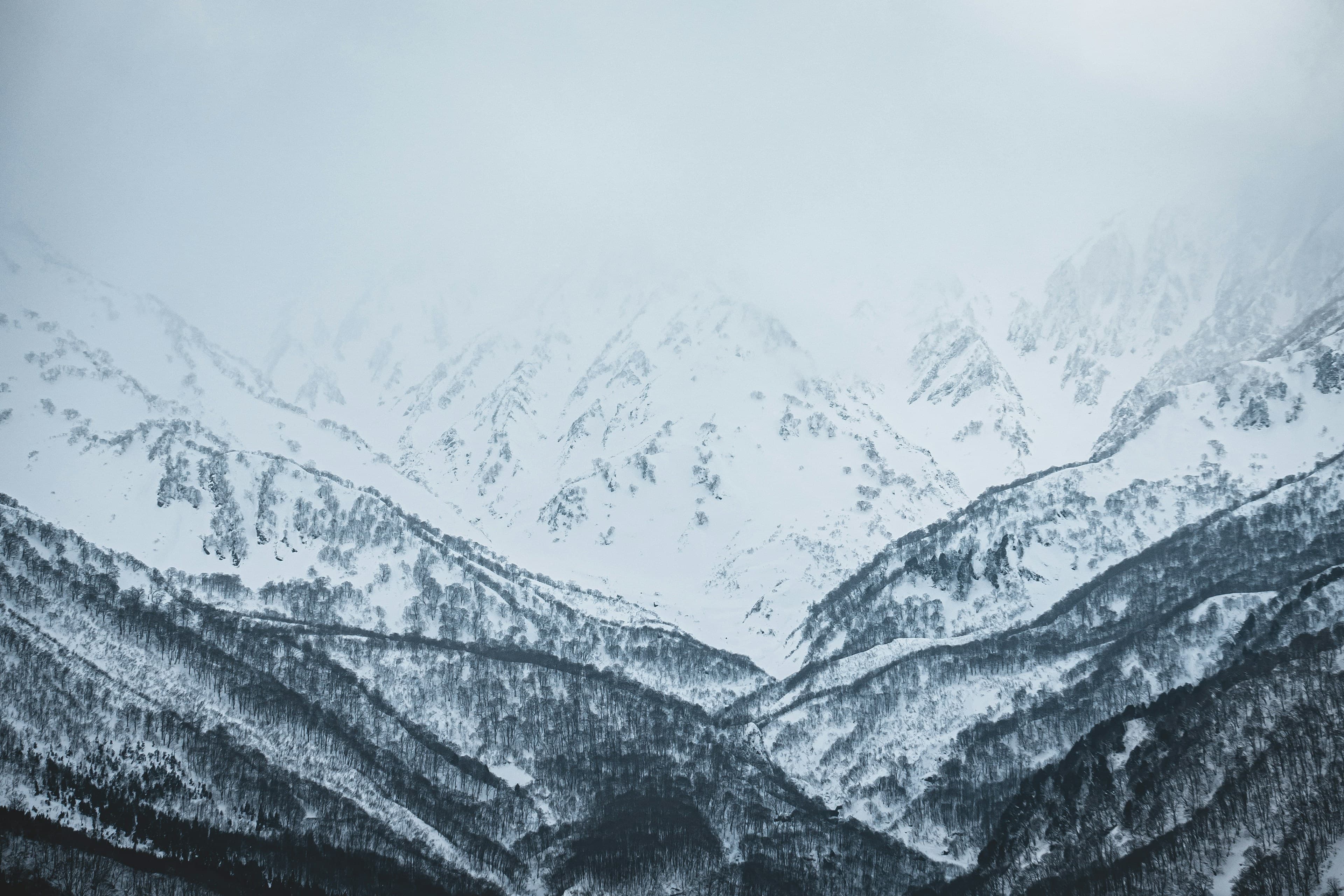
Gunma is Tokyo's secret powder stash - a collection of high-altitude ski areas tucked into the mountains just 90 minutes from the city, where dry snow falls on uncrowded slopes and every ski day ends in a historic hot spring. While other skiers battle lift lines in Nagano or pay Hokkaido prices, you're carving fresh tracks on Mt. Tanigawa's legendary steeps or floating through Marunuma Kogen's birch glades. This is skiing the way Tokyo locals do it: quiet resorts, serious snow, and onsen towns that have been perfecting the art of post-ski recovery for centuries.
“This is where Japanese salary workers escape for powder weekends and where serious backcountry skiers come to access some of Honshu's most legendary terrain. The international crowd is thin, the English is limited, and the après-ski happens in sulfurous hot springs rather than cocktail bars. Gunma attracts powder purists who prioritize snow quality over resort amenities, and couples who want to combine skiing with Japan's most authentic onsen culture.”
What Sets It Apart
Gunma delivers the best snow-to-access ratio in Japan - you can be skiing legitimate powder within two hours of Tokyo Station. While everyone else is booking expensive trips to Hokkaido or fighting crowds in Nagano, Gunma's three distinct mountain clusters offer high-altitude, low-crowd skiing paired with some of Japan's most historic hot spring towns.
Best For
- ✓Tokyo-based skiers or short-trip visitors who want maximum powder with minimum travel - the Joetsu Shinkansen gets you to Minakami's backcountry in 90 minutes
- ✓Backcountry and sidecountry enthusiasts ready to explore Mt. Tanigawa's legendary steep terrain and Katashina's high-altitude bowls with local guides
- ✓Onsen culture devotees who want to pair their skiing with authentic hot spring experiences in historic towns like Kusatsu and Minakami rather than resort spas
- ✓Powder purists on a budget who prioritize snow quality over resort amenities - Gunma's high-altitude areas get Hokkaido-quality snow at half the price
Skip If
- ✗You need extensive English support and international resort amenities - Gunma's resorts are authentically Japanese with limited foreign services
- ✗You want huge ski areas with 50+ runs - even Gunma's largest resorts top out around 16 courses, though the quality makes up for quantity
- ✗You're planning a party-focused ski trip - nightlife is limited to quiet onsen town restaurants and ryokan dinners
- ✗You don't have flexible transport options - accessing Gunma's best skiing often requires rental cars or coordinated bus transfers
Beyond the Slopes
The Local Experience
Regional Cuisine
Gunma's mountain cuisine centers around Mizusawa udon, one of Japan's three great udons, featuring remarkably firm and glossy noodles that locals claim are perfected by the region's pure mountain water - served both hot in rich broths and cold with dipping sauces. Yaki-manju, grilled steamed buns glazed with sweet miso, are the perfect portable ski snack found at every resort base and onsen town street stall. The prefecture dominates Japan's konnyaku production, serving this gelatinous devil's tongue root in countless preparations from simmered hot pots to grilled skewers. Winter specialties include hearty nabe hot pots loaded with local mountain vegetables, river trout, and Gunma's prized beef, often paired with regional sake that's been aged in the mountain's cold cellars.
Where to Eat
Gunma's ski dining revolves around hearty mountain fare and onsen town specialties, with Mizusawa udon standing out as one of Japan's premier noodle experiences - these firm, glossy noodles served hot or cold are worth the detour to Ikaho. Yaki-manju (grilled miso-glazed steamed buns) fuel ski days as the perfect portable snack, while konnyaku dishes showcase Gunma's role as Japan's top producer of this distinctive devil's tongue jelly. Onsen towns like Kusatsu and Minakami offer intimate ryokan kaiseki dinners featuring local mountain vegetables, river fish, and regional sake.
Culture & Character
Gunma's ski culture is inseparable from its onsen heritage, where historic hot spring towns like Kusatsu and Minakami have been perfecting the art of post-activity recovery for over 1,000 years. The atmosphere is authentically Japanese with minimal international influence - expect to bow to lift operators, remove shoes at lodge entrances, and share tables with local salary workers on weekend powder missions. Traditional ryokan hospitality defines the evening experience, from formal kaiseki dinner service to the etiquette of communal bathing in mineral-rich springs. The pace is relaxed and contemplative, emphasizing the harmony between mountain activities and thermal recovery rather than high-energy après-ski scenes.
Onsen Culture
Gunma's onsen culture is among Japan's finest, with Kusatsu Onsen's distinctive sulfur springs and traditional yubatake ceremony offering an authentic experience that's been refined over centuries. Minakami and Manza provide equally historic hot spring experiences with easier ski area access, while many resorts offer day-use onsen facilities for immediate post-ski recovery.
After Dark
Nightlife in Gunma centers around the onsen experience rather than bars or clubs - evenings are spent soaking in historic hot springs followed by quiet dinners at ryokan or local restaurants. The famous yubatake (hot water field) in Kusatsu Onsen becomes beautifully illuminated after dark, perfect for romantic evening strolls between multiple hot spring baths.
Things to Do in Gunma
Beyond the ski slopes
Onsen hopping between Kusatsu's famous yubatake hot water field and Minakami's r...
Snowshoeing and winter hiking in the pristine Oze National Park wetlands and mou...
Ice climbing and winter canyoning adventures around Minakami's frozen waterfalls...
Cultural visits to traditional craft workshops in onsen towns, including local p...
Winter illumination walks through historic Kusatsu Onsen town and its thermal fe...
Sake tasting at local breweries that use pure mountain spring water for producti...
Everything You Need to Know
Plan Your Trip
When to Go
Mid-January through late February delivers Gunma's prime powder conditions, when cold Siberian air masses dump dry snow on the prefecture's high-altitude terrain. The higher elevations around Marunuma Kogen and Kusatsu maintain excellent conditions from December through early April, making Gunma one of Kanto's most reliable snow destinations. Avoid major Japanese holidays when Tokyo crowds discover these normally quiet slopes.
Peak Powder Season
Late January through mid-February is powder paradise in Gunma, when the prefecture's position in the snow corridor delivers consistent storms to elevations above 1,500 meters. The high-altitude areas like Marunuma Kogen (2,000m) and Kusatsu (2,100m+) consistently receive the driest, deepest snow during this period.
Ideal Trip Length
A minimum 3-4 day trip allows you to properly experience one ski cluster plus its associated onsen culture, with enough time for multiple hot spring visits and unhurried powder sessions. The optimal 5-7 days lets you explore two different areas - perhaps combining Minakami's backcountry with Kusatsu's onsen town charm, or sampling Katashina's high-altitude resorts with cultural stops in historic hot spring villages. Extended 8-10 day trips work beautifully when combined with neighboring Niigata or Nagano prefectures, using Gunma as your authentic Japanese base before or after more international resort experiences.
Beat the Crowds
Japanese New Year holidays and February's national holiday weekends transform these normally peaceful slopes into Tokyo suburban ski hills. Book weekday stays in January or early February for the authentic Gunma experience of having powder runs virtually to yourself.
Getting There
The Joetsu Shinkansen from Tokyo to Jomo-Kogen Station (70 minutes) is your fastest route to Minakami's powder, while Kusatsu requires a scenic Limited Express journey via Takasaki plus connecting buses. Katashina's high-altitude resorts are best accessed by rental car from Numata Station, though bus services exist for the patient.
Language Tip
English signage covers basics at major resorts, but expect Japanese-only menus and limited English from staff outside the main tourist information centers. Download Google Translate with camera function for restaurant menus and ski rental forms - it's essential for navigating Gunma's authentic Japanese ski culture.
Combine Your Trip
+
Niigata's Yuzawa area via the same Joetsu Shinkansen corridor for a comprehensive powder tour of both sides of the mountains
+
Tokyo for urban contrast - use Gunma as your mountain escape during a longer Japan city tour
+
Nagano's Karuizawa for shopping and culture, easily accessible when staying in the Kusatsu-Manza area
+
Nikko's UNESCO temples and cultural sites for a perfect mountain-culture combination in northern Kanto
Common Mistakes
- ✗
Underestimating transfer times between Gunma's three main ski clusters - Minakami to Kusatsu can consume half a day without a car, so pick your base strategically
- ✗
Arriving without winter driving preparation - many visitors rent cars in Tokyo expecting cleared roads, but Gunma's mountain access roads require snow tires and chains
- ✗
Expecting international resort infrastructure - these are authentic Japanese ski areas where English menus are rare and lift operators speak minimal English
- ✗
Booking single nights in onsen towns - the traditional ryokan experience with kaiseki dinners and multiple hot spring sessions requires at least two nights to appreciate
- ✗
Skipping weekday skiing - Gunma's proximity to Tokyo means weekend crowds can be heavy, but weekdays offer virtually empty slopes at the same resorts
Insider Tips
What the locals know
Base yourself in one cluster (Minakami, Katashina, or Kusatsu-Manza) rather than trying to hit all three - they're spread across the prefecture and transfers eat up ski time
Book your onsen town stays midweek when ryokan rates drop significantly and you'll have the historic baths mostly to yourself
The Joetsu Shinkansen is your lifeline for Minakami area access, but don't overlook the scenic Limited Express route to Kusatsu for a more traditional arrival experience
Download translation apps before you arrive - Gunma's English signage is basic and menus are predominantly in Japanese, even at major resorts
Pack or rent proper winter gear for mountain roads if driving - Gunma's best snow often comes with challenging access conditions that catch unprepared visitors
Quick Answers
Frequently Asked Questions
Gunma has excellent skiing - it's Tokyo's secret powder stash with high-altitude terrain that receives dry, Hokkaido-quality snow just 90 minutes from the city. The prefecture's ski areas cluster around three mountain ranges with elevations up to 2,100 meters, delivering reliable powder from December through early April. While the resorts are smaller than Nagano's mega-complexes, the snow quality and uncrowded slopes more than compensate.
Absolutely - Gunma offers the best snow-to-access ratio in Japan, with legitimate powder skiing within two hours of Tokyo Station. You'll find authentic Japanese ski culture, historic onsen towns like Kusatsu and Minakami, and high-altitude snow that rivals Hokkaido at half the price. Skip Gunma only if you need extensive English support or massive ski areas with 50+ runs.
Late January through mid-February delivers Gunma's prime skiing conditions when cold Siberian air masses dump dry powder on the prefecture's high-altitude terrain. Higher elevations like Marunuma Kogen (2,000m) and Kusatsu (2,100m+) maintain excellent snow from December through early April. Book weekday trips in January or early February for the authentic experience of having powder runs virtually to yourself.
Peak powder season runs from mid-January to late February when Gunma's position in Japan's snow corridor delivers consistent storms to elevations above 1,500 meters. The prefecture's high-altitude areas receive the driest, deepest snow during this period thanks to cold Siberian weather systems. Early season powder can start in December at places like Marunuma Kogen, while late season conditions extend into early April.
Fly into Tokyo Haneda or Narita, then take the JR Joetsu Shinkansen from Tokyo Station to reach Gunma's ski areas in 65-75 minutes. For Minakami resorts, get off at Jomo-Kogen Station; for Kusatsu area, take the Limited Express to Naganohara-Kusatsuguchi plus connecting buses. Katashina's high-altitude resorts are best accessed by rental car from Numata Station, though bus services exist.
Base yourself in Minakami Onsen town for the best balance of ski access, authentic ryokan stays, and direct Shinkansen connections to Tokyo. Kusatsu Onsen offers the ultimate Japanese hot spring experience with historic streets and intimate skiing nearby. Choose Katashina village near Marunuma Kogen for high-altitude powder access and a local mountain community feel.
English support is limited in Gunma compared to international ski destinations like Niseko or Hakuba - these are authentically Japanese resorts where menus are predominantly in Japanese and staff speak minimal English. Basic English signage covers essentials at major resorts, but expect to navigate a Japanese-first environment. Download Google Translate with camera function for restaurant menus and ski rental forms.
Gunma skiing is significantly cheaper than major international ski hubs like Niseko or Hakuba, with lift tickets and lodging costs running about half the price of Hokkaido resorts. The prefecture's position as a less-discovered destination means better value for powder seekers on a budget. Splurge on traditional ryokan stays with kaiseki dinners and private onsen for the full cultural experience.
Gunma works well for beginners with most resorts offering 30-50% beginner terrain and a relaxed, uncrowded atmosphere perfect for learning. The challenge is limited English instruction and signage compared to international resorts - consider bringing an English-speaking instructor or friend. Minakami and Kusatsu areas offer the most beginner-friendly infrastructure with gentler slopes and better facilities.
Plan 3-4 days minimum to properly experience one ski cluster plus authentic onsen culture, with enough time for multiple hot spring visits and unhurried powder sessions. The optimal 5-7 days lets you explore two different areas like combining Minakami's backcountry with Kusatsu's onsen town charm. Extended 8-10 day trips work perfectly when combined with neighboring Niigata or Nagano prefectures.
Choose Gunma for authentic Japanese ski culture, better Tokyo access, and uncrowded powder at budget prices - it's perfect for powder purists who don't need resort amenities. Nagano wins for terrain variety, English support, and massive interconnected ski areas like the Hakuba Valley. Gunma delivers superior snow quality at higher elevations, while Nagano offers more comprehensive resort infrastructure and international services.
Gunma's high-altitude terrain between 1,500-2,100 meters captures dry powder from the same Siberian weather systems that create Hokkaido's legendary snow. The prefecture sits in Japan's snow corridor where winter monsoons drop light, dry powder on mountains along the Gunma-Niigata border. Areas like Marunuma Kogen and Kusatsu receive some of Kanto's most reliable powder with seasons extending into late March and April.
Individual Resorts
Ski Resorts in Gunma
1 resorts
Continue Exploring