LOADING LOCATION...
Back to All Locations
Prefecture
Hokkaido
The North Sector
15m+
Avg Snowfall
-10°C
Avg Temp
105
Resorts
Regional Guide
About Hokkaido
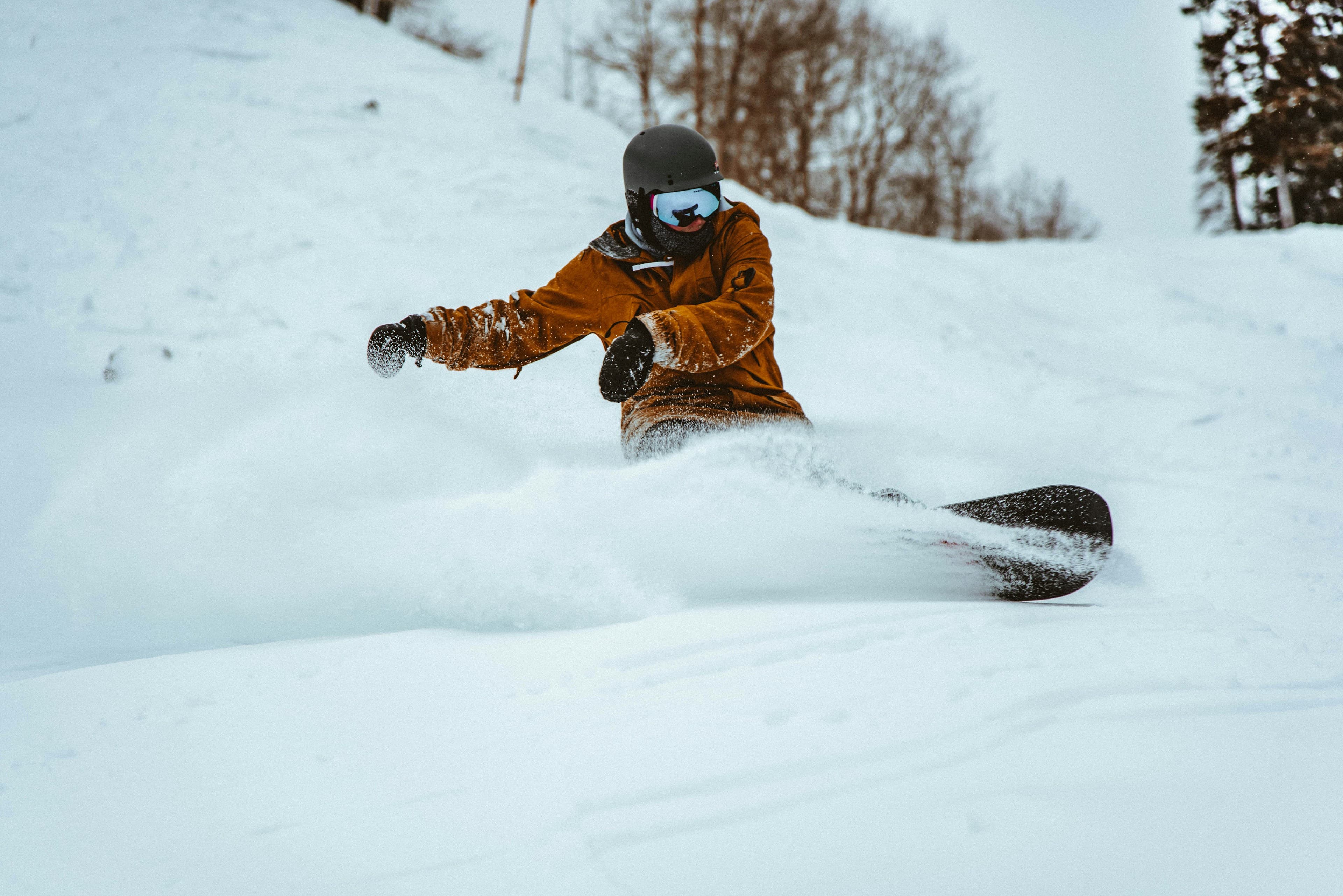
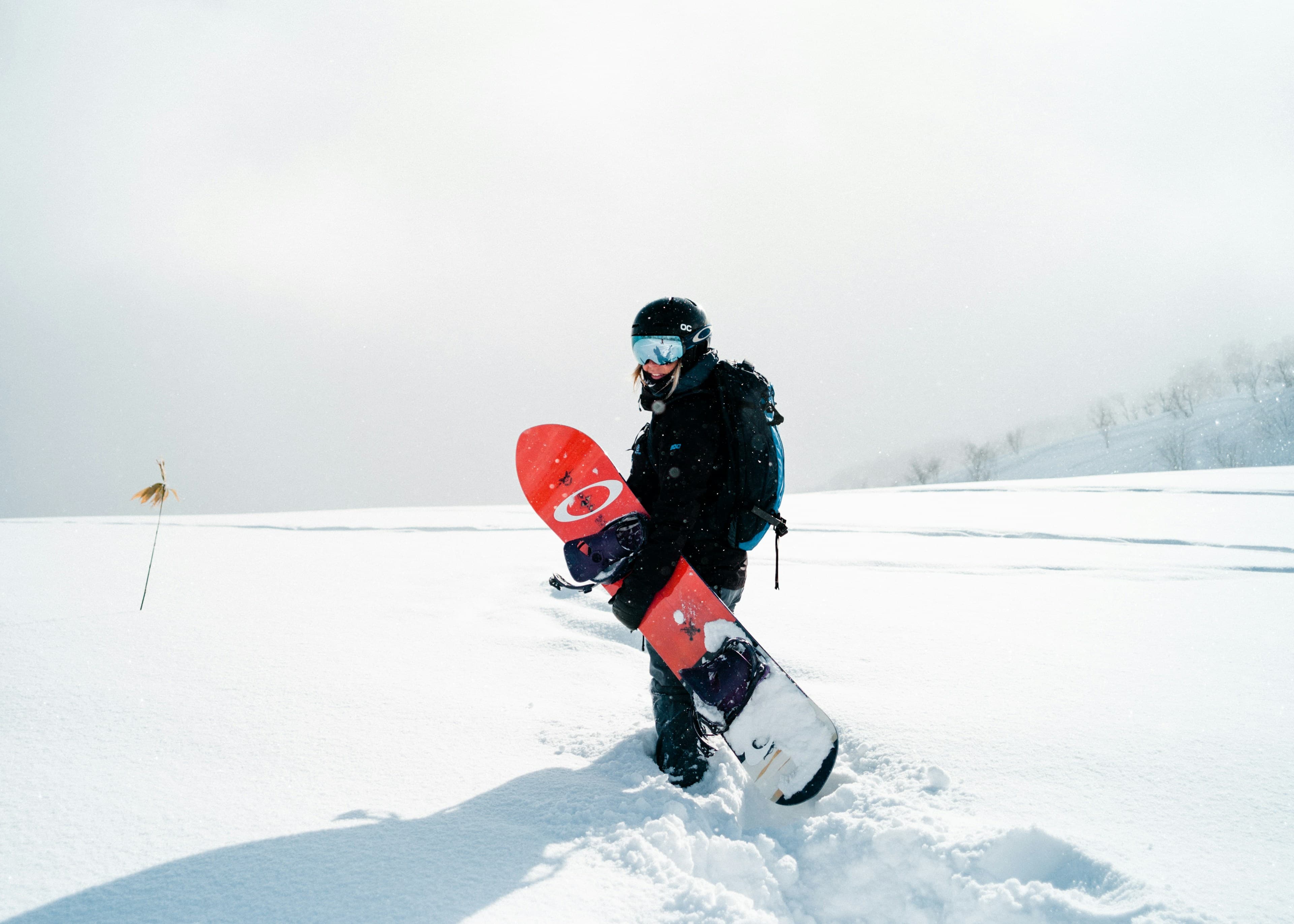
Hokkaido is Japan's powder mecca - the northernmost island where Siberian storms dump 14+ meters of champagne snow annually across everything from international resort complexes to backcountry playgrounds. This is where the global powder pilgrimage leads, with Niseko's legendary tree skiing drawing crowds from Australia to Europe, while dozens of quieter mountains offer the same legendary snow without the circus. You'll find everything from English-speaking resort bubbles to remote single-lift hills where locals have been skiing untouched powder for decades.
“Niseko brings the international powder circus with Australian accents and English menus, while places like Furano and Asahikawa maintain authentic Japanese ski culture where you'll hear more local chatter than foreign languages. The island splits between resort destinations with luxury amenities and unpretentious local hills where lift tickets cost less than a Tokyo lunch. It's powder-obsessed skiers mixing with Japanese families, backcountry adventurers heading to Asahidake's wild terrain, and everyone chasing the same legendary Japow that made Hokkaido famous.”
What Sets It Apart
Hokkaido delivers Japan's most reliable powder - those 14+ meter annual snowfalls aren't marketing hype, they're meteorological fact thanks to cold Siberian air masses picking up Sea of Japan moisture. While other regions depend on storm cycles, Hokkaido's powder arrives like clockwork from December through March, creating the most consistent deep snow experience in Japan.
Best For
- ✓Powder pilgrims making their Japow debut - Niseko and Rusutsu offer the full legendary experience with English support and guaranteed deep snow without cultural navigation stress
- ✓Advanced skiers ready for Japan's wildest terrain - Asahidake provides lift-accessed backcountry steeps while places like Kiroro and Kamui offer extensive tree skiing without the safety nets
- ✓Families who want ski-in/ski-out convenience - Tomamu and Rusutsu deliver resort polish with covered walkways, kids' programs, and non-ski activities for mixed-ability groups
- ✓Budget powder hunters willing to explore - Skip Niseko for places like Furano, Kamui, or Sapporo's local hills where lift tickets cost half as much and the snow is just as deep
Skip If
- ✗You're on a tight budget and won't explore beyond Niseko - the famous areas charge resort prices for everything from accommodation to ramen, making it Japan's most expensive skiing
- ✗You prefer groomed perfection over powder chaos - Hokkaido's charm is deep, untracked snow that often means limited grooming and challenging conditions for piste-only skiers
- ✗You need extensive English support everywhere - Outside major resorts like Niseko and Tomamu, you'll encounter Japanese-only environments that require basic language skills or translation apps
- ✗You're traveling in late season - Hokkaido's maritime climate means spring skiing can be wet and unpredictable compared to the reliable powder of January and February
Where to Ride
Where to Ski in Hokkaido
Niseko United dominates as the famous four-resort powder playground that put Japanese skiing on the global map, delivering maximum terrain variety with international amenities. Rusutsu Resort deserves equal attention with its world-class tree skiing across three mountains and less crowded slopes. For authentic Japanese ski culture, Furano offers excellent terrain at more reasonable prices. For a city-base alternative, Sapporo offers urban amenities with day trips to local ski hills like Teine and Kokusai.
Ski Area
Niseko United
Japan's most famous powder destination for the full international experience with luxury accommodations, English-speaking services, and vibrant nightlife at premium prices. Four interconnected resorts create the island's largest ski complex.
Explore this ski area
Resort
Rusutsu Resort
Three-mountain destination resort offering ski-in/ski-out convenience with modern amenities and excellent tree skiing. Enjoy world-class powder without Niseko's crowds and chaos.
View resort details
Resort
Furano
Authentic Japanese ski culture with reasonable prices, local izakaya dining, and easy access to multiple central Hokkaido mountains. Perfect for those seeking the real Japan experience.
View resort details
Beyond the Slopes
The Local Experience
Regional Cuisine
Hokkaido's island cuisine centers on legendary seafood - sweet snow crab that locals crack at dedicated crab restaurants, buttery sea urchin served fresh from coastal waters, and ikura (salmon roe) piled generously over rice. The island pioneered soup curry, a spicy, brothy comfort food perfect for warming up after powder days, while Sapporo's rich miso ramen provides the ultimate post-ski carb load. Jingisukan (grilled lamb) originated here as hearty winter fuel, and the island's dairy farms produce ice cream, cheese, and milk so renowned that locals eat Hokkaido vanilla soft-serve even in subzero temperatures. Don't miss kaisendon - fresh seafood rice bowls that showcase the island's maritime bounty at every coastal town.
Where to Eat
Hokkaido's food scene revolves around legendary seafood - sweet snow crab, buttery sea urchin, and salmon roe that locals pile onto rice bowls - plus hearty winter comfort foods like Sapporo's famous miso ramen and soup curry that originated here. Jingisukan (grilled lamb) provides perfect après-ski fuel, while the island's dairy farms produce ice cream so good you'll eat it at -20°C. The real insider move is hitting Sapporo's beer halls and ramen yokocho (noodle alleys) for late-night carb loading between powder days.
Culture & Character
Hokkaido blends frontier spirit with powder obsession, where international ski bums in Niseko coexist with Japanese families maintaining generations-old skiing traditions at local mountains. The island's hot springs culture runs particularly deep, with every ski area connected to natural onsen where soaking in outdoor baths while snow falls creates the quintessential après-ski ritual. Unlike Japan's more formal southern regions, Hokkaido embraces a relaxed, outdoorsy vibe where powder days take priority over business schedules. The Ainu indigenous culture adds unique depth through cultural centers and place names, while the island's relatively recent settlement history creates a more open, frontier atmosphere compared to traditional Japanese regions.
Onsen Culture
Hokkaido's hot springs culture runs deep, from luxury resort spas at Niseko Village to authentic mountain rotenburo (outdoor baths) near Asahidake where you'll soak surrounded by snow-covered peaks. Noboribetsu offers dramatic volcanic hot springs an hour from New Chitose, while every ski town has local sento bathhouses perfect for soaking tired legs after deep powder days.
After Dark
Niseko brings legitimate nightlife with bars full of international powder chasers swapping storm stories over local Sapporo beer and sake. Sapporo city offers proper urban nightlife including craft beer scenes, karaoke districts, and late-night dining, while smaller resort towns focus more on quiet izakaya and early bedtimes before dawn patrol.
Things to Do in Hokkaido
Beyond the ski slopes
Sapporo beer halls and historic brewery districts for craft beer tastings and lo...
Noboribetsu hot spring resort with dramatic volcanic valleys and luxury spa trea...
Otaru canal historic district featuring 19th-century warehouses, glassblowing wo...
Ice fishing on frozen lakes where locals drill holes to catch smelt and char, of...
Asahiyama Zoo near Asahikawa famous for innovative penguin walks and polar bear ...
Daisetsuzan National Park wilderness hiking and backcountry hot springs accessib...
Everything You Need to Know
Plan Your Trip
When to Go
January through early March delivers Hokkaido's legendary powder at peak consistency, with 'Japanuary' bringing the deepest accumulations and coldest temperatures that preserve champagne snow quality. December offers good early-season conditions with smaller crowds, while late March provides spring skiing with longer days but less reliable powder. Peak storm activity runs December through February when those famous Siberian air masses dump regular top-ups across the island.
Peak Powder Season
Mid-January through late February is powder prime time when Hokkaido's maritime snow machine runs at full capacity, delivering regular storm cycles every few days. January typically brings the deepest base depths and coldest temperatures that keep powder fresh for days after storms pass.
Ideal Trip Length
Minimum four days covers a single resort base with travel time, enough for a taste of legendary Hokkaido powder but barely scratching the surface. Seven to ten days provides the sweet spot for combining 1-2 major resorts with day trips to local mountains, plus rest days for hot springs and cultural exploration. Extended stays of 2-3 weeks unlock Hokkaido's full diversity - from Niseko's international scene to central Hokkaido's wilderness backcountry, with time for storm chasing between regions and deep dives into local ski culture.
Beat the Crowds
Skip the Christmas to New Year period when domestic and international crowds pack Niseko and other major resorts, driving prices sky-high and lift lines long. Target weekdays in late January or early February for the best powder-to-people ratio, especially at smaller mountains away from the international circuit.
Getting There
New Chitose Airport is your main gateway with domestic flights from Tokyo taking 90 minutes, plus ground transfers of 2-3 hours to major ski areas by bus or rental car. Consider Asahikawa Airport for central Hokkaido access or take the scenic route via Hokkaido Shinkansen to Hakodate then train north, though flying remains faster and often cheaper.
Language Tip
Major resorts like Niseko, Tomamu, and Rusutsu offer extensive English signage and staff, but venturing to local mountains or authentic towns requires basic Japanese phrases or translation apps. Rural onsen and family-run accommodations may have limited English, though the hospitality remains exceptional.
Combine Your Trip
+
Tokyo urban experience before or after powder immersion - the cultural contrast between megalopolis efficiency and Hokkaido's frontier powder makes each destination feel more distinct
+
Nagano prefecture for comparative skiing - if you have 2+ weeks, experiencing both Japan's most famous powder (Hokkaido) and most convenient access (Nagano) shows the country's ski diversity
+
Tohoku region's hidden gems like Zao and Appi for powder hunters wanting to explore Japan's lesser-known northern mountains with similar snow quality
Common Mistakes
- ✗
Underestimating winter driving conditions - Hokkaido roads get serious snow and ice that can double travel times, so build buffer time into tight itineraries and don't plan same-day flight connections
- ✗
Assuming all of Hokkaido costs Niseko prices - major resorts charge premium rates, but local hills like Kamui or Sapporo Kokusai offer the same powder for half the cost
- ✗
Over-packing resort days without exploring - Sticking to one base means missing Hokkaido's diversity, from Niseko's international scene to Asahidake's backcountry wilderness
- ✗
Booking peak periods too late - Popular times like January and school holidays see accommodation fully booked months ahead, especially in Niseko and Rusutsu
- ✗
Ignoring weather forecasts for outdoor plans - Hokkaido's maritime climate can bring sudden storms that shut down mountain roads and cancel outdoor activities
Insider Tips
What the locals know
Fly into New Chitose but consider Asahikawa Airport for central Hokkaido - it cuts an hour off transfers to Furano and gives you access to less crowded powder zones
Book your Sapporo city days for the end of your trip - after a week of resort food, the beer museums, soup curry scene, and proper ramen will feel like civilization again
Combine expensive bases with cheap ski days - Stay in Niseko but drive 30 minutes to Niseko Moiwa or Rusutsu for half the lift lines and twice the powder per dollar
Pack for serious cold - Hokkaido's continental climate means -20°C days that shut down lesser-prepared skiers, but also preserve that legendary powder quality
Rent a car for maximum flexibility - Public transport works for major resorts, but having wheels unlocks dozens of smaller mountains and lets you chase storms between regions
Quick Answers
Frequently Asked Questions
Hokkaido has some of the best skiing on Earth - we're not exaggerating. The island receives 14+ meters of champagne powder annually from Siberian storms that deliver the most consistent deep snow in Japan. This is where the global powder pilgrimage leads, with legendary tree skiing and backcountry terrain that made 'Japow' famous worldwide.
January through early February delivers Hokkaido's legendary powder at peak consistency, with 'Japanuary' bringing the deepest accumulations and coldest temperatures. Mid-January to late February is prime time when those famous Siberian air masses dump regular top-ups every few days. December offers good early-season conditions with smaller crowds, while March provides spring skiing but less reliable powder.
Fly into New Chitose Airport (CTS), Hokkaido's main international gateway about 45km from Sapporo with direct flights from Tokyo taking 90 minutes. Ground transfers to major ski areas like Niseko and Rusutsu take 2-3 hours by bus or rental car. Consider Asahikawa Airport for central Hokkaido access to cut an hour off transfers to Furana and less crowded powder zones.
Niseko Hirafu delivers the full international powder experience with luxury accommodations and vibrant nightlife at premium prices. Rusutsu Resort offers ski-in/ski-out convenience with modern amenities and excellent tree skiing without Niseko's crowds. For authentic Japanese ski culture with reasonable prices, base in Furano town with easy access to multiple central Hokkaido mountains.
Niseko can be among the most expensive skiing in Japan, comparable to top Nagano resorts due to international demand driving sky-high accommodation and dining prices. However, local hills like Furano, Kamui, and Sapporo's mountains offer the same legendary powder for half the cost. Stay in town bases instead of ski-in/ski-out to save significantly on accommodation.
Hokkaido delivers Japan's most reliable powder thanks to cold Siberian air masses picking up Sea of Japan moisture and dumping 14+ meters annually - that's meteorological fact, not marketing hype. While other regions depend on storm cycles, Hokkaido's powder arrives like clockwork from December through March. The continental climate preserves champagne snow quality with regular -20°C days that keep powder fresh for days after storms pass.
Minimum four days covers a single resort base with travel time for a taste of legendary powder. Seven to ten days provides the sweet spot for combining 1-2 major resorts with day trips to local mountains, plus rest days for hot springs exploration. Extended stays of 2-3 weeks unlock Hokkaido's full diversity from Niseko's international scene to central Hokkaido's wilderness backcountry.
Hokkaido offers excellent terrain for beginners, with major resorts like Niseko, Rusutsu, and Furano featuring 30-40% beginner slopes and excellent ski schools with English instruction. The deep powder snow is more forgiving for falls, though beginners should focus on groomed runs before venturing into the famous off-piste powder that makes Hokkaido famous.
Major resorts like Niseko United, Rusutsu, and Tomamu offer extensive English signage, instruction, and services catering to international visitors. However, smaller local mountains and traditional towns require basic Japanese phrases or translation apps. Rural onsen and family-run accommodations may have limited English but exceptional hospitality.
Niseko United is Hokkaido's most famous powder destination, offering four interconnected resorts with maximum terrain variety and international amenities. Rusutsu Resort deserves equal attention with world-class tree skiing across three mountains and less crowded slopes. The best choice depends on whether you prioritize international atmosphere (Niseko) or quieter powder skiing (Rusutsu).
Individual Resorts
Ski Resorts in Hokkaido
16 resorts
Continue Exploring