LOADING LOCATION...
Back to All Locations
Prefecture
Yamanashi
Ski With Mt. Fuji
3m
Avg Snowfall
-2°C
Avg Temp
2
Resorts
Regional Guide
About Yamanashi
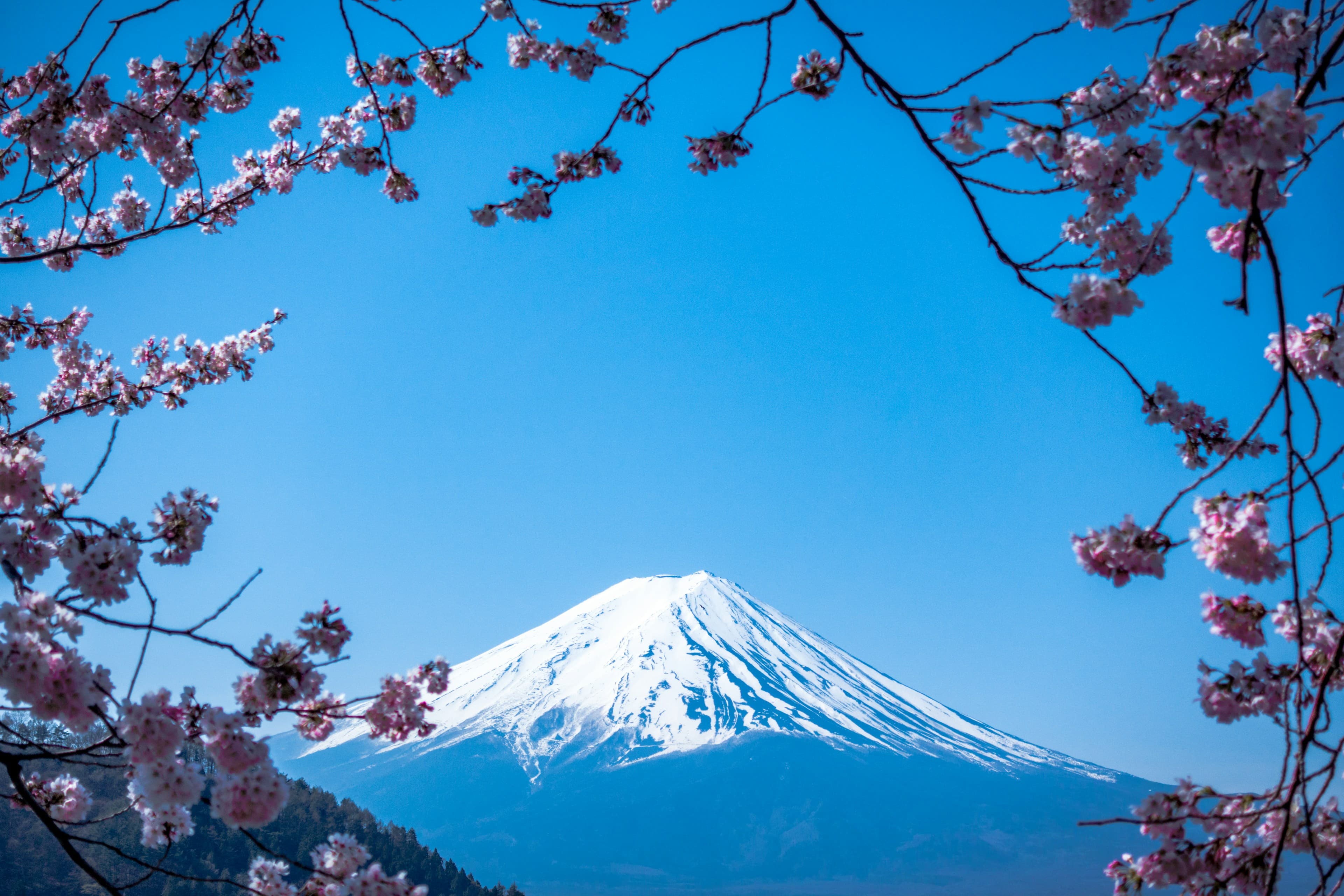
Yamanashi is Japan's Mt. Fuji prefecture - where you trade Hokkaido's legendary powder for something equally magical: skiing with Japan's most iconic mountain filling your entire field of vision. This isn't about chasing deep snow or big terrain; it's about those pinch-me moments carving turns while staring up at Fuji's perfect volcanic cone, then soaking in an onsen with the same view. The skiing itself is humble - a couple of small, sunny hills designed for Tokyo day-trippers and families - but the backdrop transforms even gentle green runs into something unforgettable.
“The scene here is quintessentially domestic Japanese - salary workers escaping Tokyo for weekend family ski days, kids learning to pizza-wedge while parents snap endless Fuji photos, and young couples combining skiing with Kawaguchiko's scenic drives and cozy pensions. English-speaking visitors are rare enough that you'll get curious smiles, but the tourist infrastructure around Lake Kawaguchi means basic English support exists. The pace is refreshingly unhurried compared to international ski hubs - this is skiing as sightseeing, not sport.”
What Sets It Apart
No other ski destination on Earth offers direct views of Mt. Fuji while you're actually skiing - Fujiten Snow Resort sits on Fuji's northern flanks with the mountain looming impossibly close above the slopes. When conditions are clear (which they often are on this sunny side of Honshu), you're essentially skiing inside a postcard, with Japan's most sacred mountain as your personal backdrop for every run.
Best For
- ✓First-time Japan visitors who want to tick the Mt. Fuji box while getting some ski time - you can literally ski with Fuji in view, then explore Kawaguchiko's temples and hot springs
- ✓Tokyo-based travelers with limited time who want an authentic Japanese ski experience without the journey to major powder regions - both hills are reachable in under 3 hours
- ✓Families with mixed abilities looking for gentle, non-intimidating terrain where kids can build confidence while parents enjoy spectacular scenery and cultural immersion
- ✓Instagram-focused skiers and photographers who prioritize unique shots over challenging terrain - the Fuji backdrop creates once-in-a-lifetime content
Skip If
- ✗You're chasing Japan's famous powder - Yamanashi gets considerably less snow than Sea of Japan regions, with more groomed, machine-made coverage
- ✗You want challenging terrain or extensive ski areas - both resorts are small with primarily beginner-intermediate runs that you'll ski out in half a day
- ✗You're planning a pure ski trip focused on maximizing mountain time - the appeal here is more about the Mt. Fuji experience than serious skiing
- ✗You need extensive English support - while basic tourist English exists around Kawaguchiko, the ski hills themselves operate primarily in Japanese
Beyond the Slopes
The Local Experience
Regional Cuisine
Hoto dominates the local food scene - these thick, flat wheat noodles cooked with kabocha squash and vegetables in hearty miso broth represent Yamanashi's signature comfort food, perfect after cold ski days. Yoshida udon around Fujiyoshida offers another noodle specialty with distinctive chewy texture and cabbage toppings. The prefecture leads Japan in wine production, so Koshu wine from Katsunuma vineyards pairs beautifully with local game dishes and mountain vegetables. Traditional kaiseki meals feature ayu river fish, wild boar, and foraged mountain plants, while Kofu specializes in yakitori and regional sake brewing that reflects the area's clean mountain water sources.
Where to Eat
Yamanashi's signature dish is hoto - thick, flat wheat noodles simmered with pumpkin and vegetables in rich miso broth, perfect for post-ski warming. Fujiyoshida specializes in Yoshida udon, served with cabbage and distinctive soy-based broths at local shops near Fujiten. The prefecture is also Japan's premier wine region, so seek out Koshu wine tastings around Katsunuma, and don't miss kaiseki dinners featuring local river fish and mountain vegetables at traditional ryokan.
Culture & Character
The atmosphere revolves around Mt. Fuji worship and domestic family tourism rather than international ski culture. Local festivals during winter months celebrate the mountain with illumination events around Kawaguchiko and traditional ceremonies at Fuji shrines. The pace feels refreshingly unhurried compared to major ski destinations - families arrive for gentle slope time, extensive photo sessions, and cultural site visits rather than aggressive terrain conquest. Traditional crafts like jewelry polishing in Kofu and indigo dyeing workshops provide authentic cultural experiences beyond skiing, while the numerous temples and shrines maintain the spiritual connection to Fuji that has defined this region for centuries.
Onsen Culture
Isawa Onsen near Fuefuki provides excellent hot spring bathing after Kamui Misaka, while numerous smaller onsen around Kawaguchiko serve Fujiten skiers. Many ryokan offer private family baths with Fuji views - book these premium rooms for the ultimate combination of hot spring relaxation and mountain scenery.
After Dark
Apres-ski scene is minimal and family-oriented - most visitors head to onsen for soaking rather than bars for drinking. Kawaguchiko offers a few cozy sake bars and beer spots, but the evening entertainment focuses more on illuminated Fuji viewing and quiet ryokan dinners than partying.
Things to Do in Yamanashi
Beyond the ski slopes
Lake Kawaguchi scenic drives and ropeways offering panoramic Mt. Fuji views from...
Chureito Pagoda at Arakura Sengen Shrine for the classic Fuji photo with traditi...
Koshu wine tastings in Katsunuma region - Japan's premier wine country with doze...
Fuji-Q Highland amusement park featuring extreme roller coasters and seasonal wi...
Traditional onsen towns like Isawa Onsen with historic bathhouses, ryokan cultur...
Takeda Shrine and historic Kofu exploration including samurai heritage sites and...
Everything You Need to Know
Plan Your Trip
When to Go
Target late December through February for the most reliable snow coverage at these relatively low-elevation, Pacific-side resorts. March can offer pleasant spring skiing but with variable conditions due to thaw-freeze cycles. The key is planning around clear weather - Yamanashi's sunny climate means excellent visibility when conditions align, but Fuji disappears completely behind clouds during stormy periods.
Peak Powder Season
January and early February offer your best bet for fresh snow, though 'powder' here means a few centimeters rather than the meter-deep dumps of Hokkaido. Both Fujiten and Kamui Misaka rely heavily on snowmaking to maintain coverage throughout the season.
Ideal Trip Length
Minimum 1-2 days works for a Tokyo side trip combining one ski day at Fujiten with Kawaguchiko sightseeing and onsen experience. Optimal is 2-3 days allowing time to ski both hills, explore Lake Kawaguchi thoroughly, and enjoy proper ryokan stays with Fuji views. Extended 4-5+ day stays only make sense when combining with nearby Nagano or using Kiyosato area as a base for broader Yatsugatake mountain region exploration beyond just the skiing.
Beat the Crowds
Skip New Year week (Dec 29-Jan 3) and February weekends when Tokyo families descend en masse - parking lots fill early and lift lines stretch significantly. Weekdays in January outside the holiday period offer the most peaceful experience with short waits and better photo opportunities.
Getting There
Access from Tokyo involves JR Chuo Line to Otsuki, then the private Fujikyuko Line to Kawaguchiko (about 2.5 hours total), followed by bus or taxi to Fujiten. Alternatively, drive via Chuo Expressway in roughly 1.5-2 hours depending on traffic. Kamui Misaka is reached via JR Chuo Line to Fuefuki area stations.
Language Tip
Basic English appears on signs and rental counters at Fujiten due to international Mt. Fuji tourism, but conversation-level English is limited. Download a translation app and learn key ski rental phrases, as staff at both resorts primarily serve Japanese families and may not be comfortable with extended English interaction.
Combine Your Trip
+
Nagano prefecture (Hakuba, Shiga Kogen, Nozawa Onsen) for the classic Japan ski progression - start with Fuji views and culture, then experience serious powder and terrain
+
Tokyo urban exploration as the perfect contrast - traditional ryokan mountain experiences followed by cutting-edge city culture and dining
+
Gunma prefecture (Kusatsu, Minakami) for additional onsen culture and slightly more challenging ski terrain while staying in central Honshu
+
Shizuoka and Mt. Fuji climbing preparation areas for a comprehensive Fuji-focused journey across multiple prefectures
Common Mistakes
- ✗
Expecting Hokkaido-level powder and terrain - these are small, sunny hills with modest snowfall that serve more as scenic experiences than serious ski destinations
- ✗
Underestimating transport time from Tokyo - multiple train transfers or weekend highway congestion can push travel to 3+ hours each way, making overnight stays worthwhile
- ✗
Not checking weather forecasts for Fuji visibility - cloudy days completely obscure the mountain views that are the main draw of skiing here
- ✗
Assuming extensive English support at the ski hills themselves - while Kawaguchiko has tourist infrastructure, the actual resorts operate primarily for domestic visitors
- ✗
Packing only for cold weather - sunny Pacific-side conditions can warm up significantly during clear afternoons, requiring layering flexibility
Insider Tips
What the locals know
Book Fuji-view ryokan rooms well in advance during peak season (Dec-Feb) - the best Kawaguchiko properties with private onsen and mountain views sell out weeks ahead, especially weekends
Plan your ski days around weather forecasts - Fuji hides behind clouds frequently, so clear-day timing makes the difference between magical and mediocre experiences
Consider staying overnight in Kawaguchiko rather than day-tripping from Tokyo - you'll avoid weekend traffic on Chuo Expressway and have time to explore the lake area properly
Combine Yamanashi with Nagano for the best of both worlds - start with Fuji views and cultural immersion, then head to Hakuba or Shiga Kogen for serious powder and terrain
Visit local hoto restaurants in Fujiyoshida after skiing - this thick noodle stew is Yamanashi's signature dish and perfect for warming up, with several excellent spots near Fujiten
Quick Answers
Frequently Asked Questions
Yamanashi has charming skiing, but not "good" in the traditional powder sense - it's about the experience, not the terrain. The prefecture offers just two small ski hills with primarily beginner-intermediate groomed runs and modest snowfall compared to major Japanese ski regions. What makes it special is skiing with Mt. Fuji filling your entire field of vision, creating postcard-perfect moments that no other destination can match.
Yamanashi is absolutely worth visiting if you want to combine light skiing with Japan's most iconic cultural experience - Mt. Fuji views, onsen soaking, and authentic local culture. Skip it if you're chasing powder or challenging terrain, since both ski areas can be covered in half a day. It's perfect for first-time Japan visitors who want to tick the Fuji box while getting some ski time, or as a scenic add-on before heading to Nagano's serious powder regions.
January through early February offers the most reliable snow coverage at Yamanashi's relatively low-elevation, Pacific-side resorts. Late December can work but coverage may be thin, while March brings pleasant spring conditions but variable snow quality due to thaw-freeze cycles. The key is planning around clear weather forecasts - Fuji disappears completely behind clouds during stormy periods, eliminating the main reason to ski here.
Yamanashi doesn't really have a "powder season" in the traditional sense - these sunny Pacific-side hills receive modest snowfall and rely heavily on snowmaking throughout winter. Your best bet for any fresh snow is January and early February, though "powder" here means a few centimeters rather than the meter-deep dumps of Hokkaido. The appeal is scenic skiing with Fuji views, not chasing deep snow.
Fly into Tokyo Haneda Airport, then take JR Chuo Line from Shinjuku to Otsuki, followed by the private Fujikyuko Line to Kawaguchiko - total travel time about 2.5-3 hours to reach Fujiten Snow Resort. Alternatively, drive via Chuo Expressway in roughly 1.5-2 hours depending on traffic, which gives you more flexibility for exploring the region. For Kamui Misaka, stay on JR Chuo Line to Fuefuki area stations.
Stay in Kawaguchiko for the best combination of Fujiten access, tourist infrastructure, and Mt. Fuji views - book Fuji-view ryokan with private onsen well in advance during peak season. For budget options, consider business hotels in Kofu city with good JR Chuo Line connections to both ski areas. Isawa Onsen offers excellent hot spring culture and convenient access to Kamui Misaka, while Fujiyoshida provides authentic local atmosphere near Fujiten.
English support is moderate around Kawaguchiko due to international Mt. Fuji tourism, with bilingual signs and some English menus in tourist restaurants. However, the ski hills themselves operate primarily for domestic Japanese families, so expect limited conversational English at rental counters and restaurants. Download a translation app and learn basic ski rental phrases, as this region sees far fewer international visitors than major ski destinations.
Yamanashi skiing is significantly cheaper than international hubs like Niseko or Hakuba, though the trade-off is much smaller terrain and lighter snowfall. Lift tickets and rental gear cost less at these small hills, and you can find budget accommodations in valley towns like Kofu or Fuefuki. Splurge on Fuji-view onsen ryokan around Kawaguchiko for the ultimate experience - this is where it's worth paying premium prices.
Yamanashi is excellent for beginners and families - both Fujiten and Kamui Misaka feature primarily beginner-intermediate terrain with gentle, well-groomed slopes. The non-intimidating scale helps build confidence, while the spectacular Mt. Fuji backdrop makes even basic green runs feel special. English-speaking beginners should stick to Fujiten, which has better tourist infrastructure and basic English support compared to the more local Kamui Misaka.
Two to three days is optimal for Yamanashi - one day each for the two ski areas plus time for Lake Kawaguchiko sightseeing and onsen experiences. You can ski out both small hills in half a day each, so the appeal lies in the broader Mt. Fuji cultural experience rather than extensive mountain time. Minimum one to two days works for Tokyo day-trippers, while 4-5+ days only makes sense when combining with nearby Nagano or exploring the broader Yatsugatake region.
Nagano wins decisively for serious skiing - it offers major powder, extensive terrain, and internationally renowned resorts like Hakuba and Shiga Kogen that Yamanashi simply can't match. Yamanashi provides something Nagano can't: direct Mt. Fuji views while skiing and authentic cultural immersion without international crowds. The perfect strategy is combining both - start with Yamanashi's Fuji experience and cultural charm, then head to Nagano for legitimate powder and challenging terrain.
No other ski destination on Earth offers direct views of Mt. Fuji while you're actually skiing - Fujiten sits on Fuji's northern flanks with the sacred mountain looming impossibly close above the slopes. When conditions are clear, you're essentially skiing inside a postcard with Japan's most iconic peak as your personal backdrop. The experience combines gentle skiing with profound cultural immersion, hot spring soaking, and that pinch-me moment of carving turns beneath Japan's most sacred mountain.
Individual Resorts
Ski Resorts in Yamanashi
1 resorts
Continue Exploring