LOADING LOCATION...
Back to All Locations
Prefecture
Iwate
Tohoku's Powder Secret
15m+
Avg Snowfall
-8°C
Avg Temp
10
Resorts
Regional Guide
About Iwate
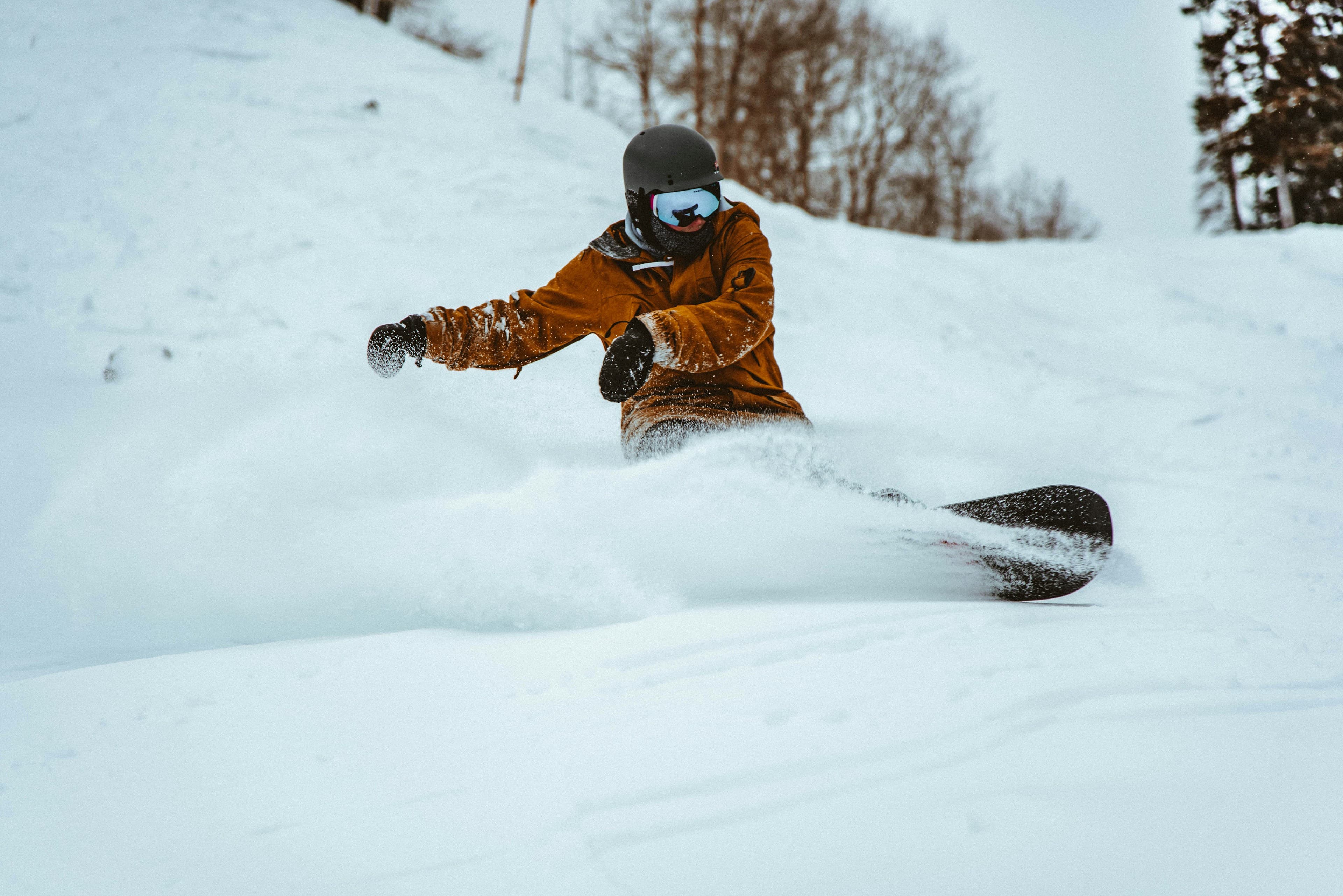
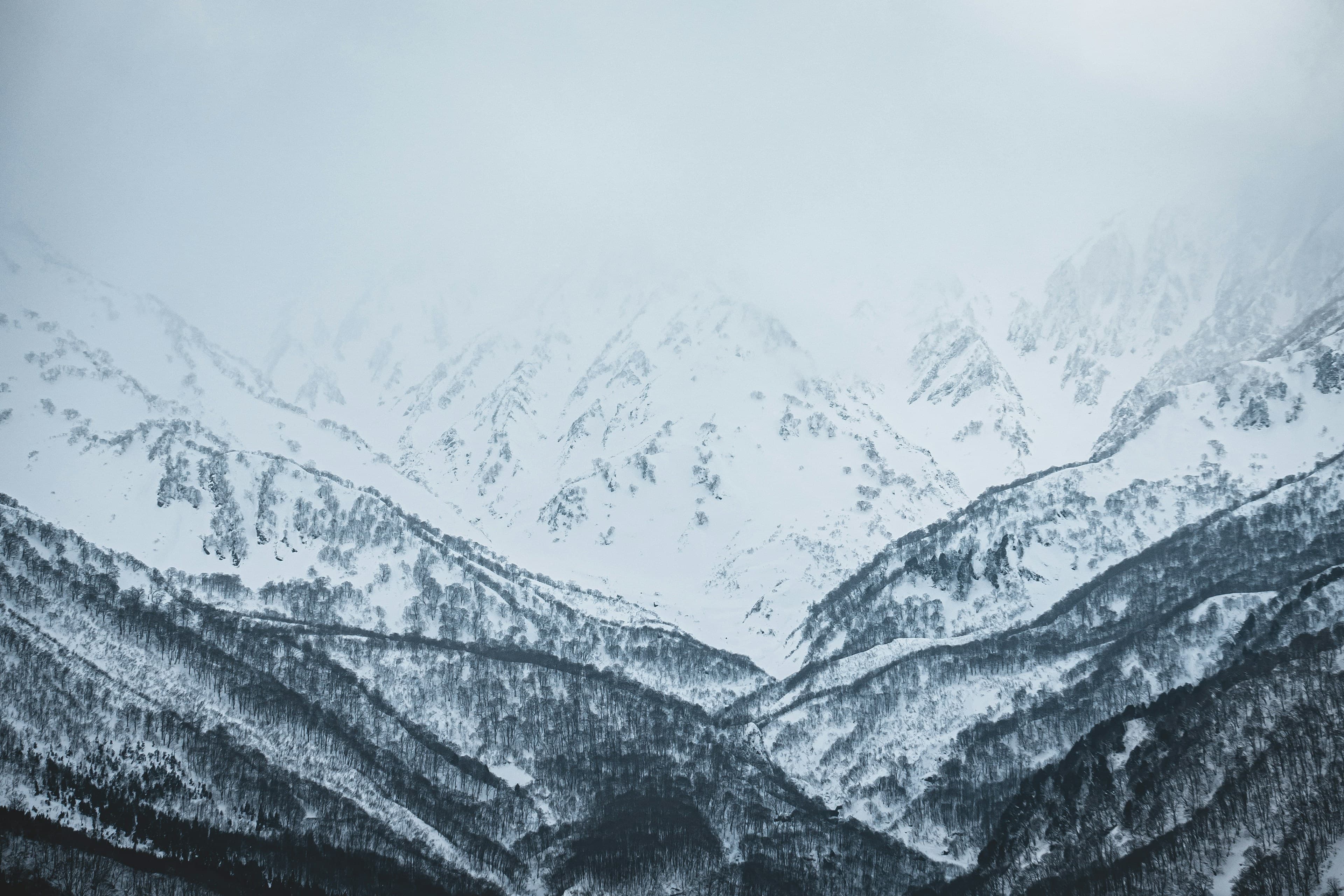
Iwate is Tohoku's powder secret that even most Japanese skiers haven't discovered - a prefecture where 15-meter snowfalls bury entire forests in champagne powder, creating tree runs that feel more like powder surfing than skiing. While Hokkaido gets the headlines, Iwate quietly delivers some of Honshu's deepest, driest snow across resorts like legendary Geto Kogen and sprawling Appi, all without the crowds or international resort pricing. This is where you go when you've outgrown groomed runs but aren't ready for the backcountry - endless tree skiing with that impossibly light inland powder that only forms when Siberian storms hit the Ou Mountains.
“Iwate attracts powder pilgrims and Japanese ski families who prize snow quality over resort amenities - the kind of skiers who'd rather spend money on extra days than premium lodging. The scene is refreshingly local, with onsen-hopping between ski areas and serious discussions about which tree runs held the deepest stashes after each storm. English is scarce outside the main resorts, but the skiing speaks for itself when you're floating through birch forests in knee-deep powder that hasn't seen another track all day.”
What Sets It Apart
Iwate delivers what might be the best snow-to-crowd ratio in Japan - resorts like Geto Kogen regularly see 15+ meter seasonal totals with seasons extending into Golden Week, yet remain virtually unknown to international skiers. When powder hunters talk about 'secret Japan,' this is what they mean.
Best For
- ✓Powder addicts who've done the Niseko circuit and want to feel like explorers again - Iwate's tree runs stay untracked for days after storms, with that impossibly light inland powder that feels more like floating than skiing
- ✓Intermediate+ skiers ready to graduate from groomers to proper terrain without backcountry commitment - resorts like Geto and Hachimantai offer endless tree runs that are challenging but forgiving
- ✓Budget-conscious powder hunters who prioritize snow over amenities - lift tickets here cost a fraction of Hokkaido's marquee resorts while the snow quality often exceeds them
- ✓Skiers seeking authentic Japanese ski culture away from international resort scenes - you'll onsen-hop with locals who've been skiing these mountains for decades
Skip If
- ✗You need English-speaking staff and international amenities - outside major resorts like Appi, you're operating in Japanese-only territory with local-focused services
- ✗Groomed cruising is your priority over powder exploration - Iwate's magic is in the trees and off-piste terrain, not perfectly manicured boulevards
- ✗You want convenient access from Tokyo - getting to Iwate's best resorts involves multiple transfers and potentially challenging winter driving
- ✗Nightlife and resort village atmosphere matter to your trip - these are mountain towns focused on skiing and onsen, not après-ski parties
Beyond the Slopes
The Local Experience
Regional Cuisine
Iwate's ski dining culture revolves around three iconic noodle dishes that define cold-weather comfort: wanko soba, where servers continuously refill tiny bowls until you surrender (perfect for carb-loading before powder days), Morioka reimen with its refreshing cold buckwheat noodles that locals somehow crave even after skiing, and hearty Morioka jajamen featuring thick udon noodles in rich meat-miso sauce. Mountain restaurants emphasize warming nabe hot pots filled with local vegetables and renowned Iwate beef, while traditional ryokan serve elaborate kaiseki featuring fresh mountain vegetables preserved for winter and regional specialties. The prefecture's inland location means cuisine focuses on preserved foods, mountain vegetables, and comfort dishes designed for harsh winters - exactly what your body craves after floating through powder all day.
Where to Eat
Iwate's après-ski dining revolves around three legendary noodle experiences: wanko soba (challenge-style small bowls), Morioka reimen (Korean-style cold noodles that locals crave even in winter), and Morioka jajamen (hearty meat-and-miso noodles perfect after powder days). Mountain restaurant scenes focus on warming nabe hot pots and local beef dishes, while Morioka offers the full spectrum of regional specialties. The real move is experiencing these comfort foods after long onsen soaks - it's the authentic Tohoku ski experience that locals have perfected over generations.
Culture & Character
Iwate embodies traditional Japanese ski culture before international tourism transformed the scene - families who've skied the same mountains for generations, serious powder discussions over post-ski onsen soaks, and a focus on snow quality over resort amenities. The atmosphere is refreshingly unpretentious, where lift operators know regulars by name and après-ski means soaking in natural hot springs while snow falls outside rather than crowded bars. Local ski culture emphasizes respect for the mountains, proper onsen etiquette, and the kind of deep powder skiing knowledge that only comes from decades of chasing storms across the same terrain. This is Japan's ski heartland before it became a global destination - authentic, family-focused, and obsessed with snow conditions above all else.
Onsen Culture
Hot springs are integral to Iwate ski culture, with resorts like Amihari Onsen built around natural thermal springs and most others offering nearby onsen facilities. The tradition involves post-skiing soaks in mineral-rich waters while snow falls outside, followed by regional cuisine - it's as essential to the Iwate experience as the powder itself. Many ski areas offer night ropeway rides specifically for stargazing from mountain onsen.
After Dark
Iwate's après-ski scene centers around onsen relaxation rather than party bars, with most skiers winding down in natural hot springs followed by quiet dinners. Morioka offers more urban nightlife with izakaya serving regional specialties, but mountain bases like Appi and Geto focus on family-friendly evening activities and early bedtimes for powder day preparation.
Things to Do in Iwate
Beyond the ski slopes
Explore historic Morioka with its preserved merchant district, traditional craft...
Experience authentic onsen culture at mountain hot spring villages like Tsunagi ...
Take scenic winter train rides on local JR lines through snow-covered valleys an...
Visit sake breweries in Morioka and surrounding towns to taste regional varietie...
Explore traditional crafts workshops specializing in Iwate's famous Nambu ironwa...
Discover ice fishing and winter festivals in mountain communities where locals c...
Everything You Need to Know
Plan Your Trip
When to Go
Plan your Iwate powder pilgrimage for mid-January through February when those legendary Siberian storms dump the deepest, driest snow on the Ou Mountains, though Geto's freakish snowfall often extends excellent conditions well into April. The prefecture's inland location means more consistent powder than coastal ranges, but also more weather dependence - when it's good, it's transcendent, when it's not, you're stuck with limited backup options. Weekdays in late January offer the sweet spot of deep bases, active storm cycles, and empty slopes.
Peak Powder Season
Late January through mid-February delivers Iwate's most reliable powder, when Siberian air masses consistently slam into the Ou Mountains and drop that impossibly light inland snow. Geto Kogen's ridiculous 15-meter seasonal totals mean excellent conditions often persist into March and April, making it one of Japan's most reliable late-season powder destinations.
Ideal Trip Length
A minimum 4-5 day trip allows focused exploration of one major resort like Appi or Geto with proper powder day timing and cultural experiences in between. The optimal 7-10 day journey lets you experience both Iwate's extensive groomed terrain at Appi and legendary tree skiing at Geto, plus onsen-hopping and Morioka's food scene during weather windows. Extended 10+ day trips make sense for powder obsessives who want to chase storms across multiple Tohoku prefectures or dig deep into Iwate's smaller local hills and cultural experiences - this prefecture rewards patience and exploration rather than quick resort sampling.
Beat the Crowds
Skip Japanese national holidays, especially New Year and university breaks in late February when even these local gems see crowds from Sendai and Tokyo. Target weekdays in mid-January after New Year chaos subsides but before peak storm season ends - you'll often have entire tree runs to yourself.
Getting There
Tohoku Shinkansen to Morioka gets you to Iwate's ski hub in 2.5 hours from Tokyo, then local trains or buses reach the major resorts, though Geto requires more complex connections. Flying into Hanamaki Airport often costs less and saves time compared to the Tokyo connection, especially for domestic travelers. A rental car with winter tires opens up the prefecture's smaller gems and makes multi-resort exploration feasible.
Language Tip
English is extremely limited outside major resorts like Appi, so download translation apps and learn basic ski terminology in Japanese - lift operators and ski patrol communicate primarily in Japanese. Most resort websites offer English information for planning, but on-mountain communication requires patience and gestures.
Combine Your Trip
+
Yamagata Prefecture for a complete Tohoku powder tour, accessing different storm patterns and even deeper local ski culture
+
Akita Prefecture's hot spring skiing culture and legendary tree runs at resorts like Tazawako for a comprehensive northern Honshu experience
+
Tokyo for urban contrast and easier international flights, perfect for bookending a mountain immersion with city culture
+
Aomori Prefecture to experience Japan's deepest snowfall regions and most extreme winter conditions across the northern Tohoku arc
Common Mistakes
- ✗
Underestimating transfer times between Morioka and the mountain resorts - what looks like 30 minutes on the map becomes 90 minutes in winter conditions with indirect public transport
- ✗
Assuming Hokkaido-level English support at smaller resorts - bring translation apps and learn basic ski terms in Japanese, especially for lift operations and safety announcements
- ✗
Booking fixed accommodation dates without checking weather patterns - Iwate's powder is storm-dependent, and flexible travel dates can mean the difference between epic and mediocre skiing
- ✗
Packing only resort-style gear for what's actually tree skiing terrain - bring appropriate protection for off-piste exploration and variable snow conditions
- ✗
Expecting international cuisine options outside Morioka - embrace the local noodle culture or you'll be disappointed by limited Western food choices at mountain bases
Insider Tips
What the locals know
Fly into Hanamaki Airport instead of connecting through Tokyo - domestic flights from major Japanese cities often cost less than Shinkansen tickets and save hours of transfers
Base in Morioka and day-trip to multiple resorts rather than staying on-mountain - you'll get better food, easier transport connections, and the chance to experience proper regional cuisine
Plan your Iwate trip around storm cycles, not fixed dates - the difference between good skiing and legendary skiing here is entirely weather-dependent
Rent a car with winter tires even if you're nervous about driving - public transport to places like Geto Kogen is limited, and having wheels opens up the prefecture's hidden gems
Learn basic onsen etiquette before arriving - hot springs are central to Iwate ski culture, and knowing the rules turns every après-ski into a cultural experience rather than an awkward encounter
Quick Answers
Frequently Asked Questions
Iwate has exceptional skiing with some of Honshu's deepest, driest snow - resorts like Geto Kogen regularly receive 15+ meters annually while remaining virtually crowd-free. The prefecture offers 36 ski areas ranging from sprawling Appi Kogen with 21 courses to legendary powder destination Geto with endless tree runs. If you want top-tier snow without international resort crowds or prices, Iwate delivers what many consider Japan's best-kept skiing secret.
Iwate is absolutely worth visiting for skiers who prioritize snow quality over resort amenities - you'll find some of Japan's best powder-to-crowd ratios and significantly lower costs than marquee destinations. The prefecture offers authentic Japanese ski culture with serious tree skiing at Geto, extensive groomed terrain at Appi, and traditional onsen experiences throughout. Skip Iwate only if you need English-speaking staff and international resort infrastructure, as this is decidedly local-focused territory.
Late January through mid-February offers Iwate's most reliable powder conditions when Siberian storms consistently dump the deepest, driest snow on the Ou Mountains. Geto Kogen's exceptional snowfall often extends excellent skiing well into March and April, making it one of Japan's most reliable late-season destinations. Target weekdays in late January for the sweet spot of deep bases, active storm cycles, and empty slopes.
Peak powder season runs from mid-January through February when Siberian air masses slam into the Ou Mountains and create that impossibly light inland snow Iwate is famous for. Geto Kogen's freakish 15-meter seasonal snowfall means powder conditions often persist into Golden Week (early May), extending the season far longer than most Japanese destinations. Plan trips around storm cycles rather than fixed dates for the best powder experiences.
Take the Tohoku Shinkansen to Morioka Station (2.5 hours from Tokyo) then connect via local trains or buses to individual resorts, though flying into Hanamaki Airport often costs less and saves time. Geto Kogen requires more complex connections while Appi offers direct shuttle access from major transport hubs. A rental car with winter tires opens up the prefecture's smaller gems and makes multi-resort exploration much more feasible than relying on limited public transport.
Base in Morioka for the best food scene, easy transport connections, and flexibility to day-trip multiple resorts while experiencing authentic regional culture. Appi Kogen's on-mountain hotels offer ski-in/ski-out convenience perfect for families, while Geto's mountain lodges provide powder-focused stays with early lift access. Traditional ryokan in onsen towns like Tsunagi Onsen deliver authentic hot spring experiences between ski days.
English is extremely limited outside major resorts like Appi - you'll be operating in Japanese-only territory with local-focused services throughout most of the prefecture. Major resort websites offer English information for planning, but on-mountain communication requires patience, gestures, and translation apps. Download translation tools and learn basic ski terminology in Japanese, especially for lift operations and safety announcements.
Iwate offers exceptional value with lift tickets costing a fraction of Hokkaido's marquee resorts while often delivering superior snow quality. The prefecture focuses on affordable skiing for Japanese families rather than premium international resort pricing, making it ideal for budget-conscious powder hunters. Accommodation and dining costs remain reasonable, especially when staying in Morioka rather than on-mountain resort hotels.
Iwate presents challenges for complete beginners due to limited English instruction and terrain that favors intermediate+ skiers exploring trees and off-piste areas. While beginner slopes exist at major resorts with roughly 30-40% beginner terrain, the language barrier and local-focused instruction make this difficult for first-timers. Iwate works best for intermediates ready to graduate from groomers to proper terrain without backcountry commitment.
Plan 4-5 days minimum for focused exploration of one major resort like Appi or Geto with proper powder timing and cultural experiences. The optimal 7-10 day trip allows experiencing both extensive groomed terrain at Appi and legendary tree skiing at Geto, plus onsen-hopping and Morioka's food scene. Extended 10+ day trips reward powder obsessives who want to chase storms across multiple resorts - Iwate rewards patience and exploration over quick sampling.
Hokkaido wins for consistent powder and international infrastructure, while Iwate offers better value, fewer crowds, and more authentic Japanese ski culture with comparable snow quality. Hokkaido provides English support and resort amenities that Iwate lacks, but Iwate's 15-meter snowfalls rival Niseko without the crowds or premium pricing. Choose Hokkaido for your first Japan powder trip; choose Iwate when you're ready for the authentic local experience.
Iwate's inland mountain location creates incredibly light, dry powder when Siberian storms hit the Ou Mountains - the same weather systems that make Hokkaido famous but with even less moisture from the continental interior. Resorts like Geto receive 15+ meters annually of champagne powder that stays untracked for days due to limited international awareness. The prefecture delivers what might be Japan's best snow-to-crowd ratio, with powder that rivals anywhere in the world.
Individual Resorts
Ski Resorts in Iwate
3 resorts
Continue Exploring