LOADING LOCATION...
Back to All Locations
Prefecture
Niigata
Snow Country
13m+
Avg Snowfall
-3°C
Avg Temp
50
Resorts
Regional Guide
About Niigata
Niigata delivers Japan's most accessible powder experience - thirteen meters of annual snowfall just 90 minutes from Tokyo by Shinkansen, where you can ski directly off the bullet train at GALA Yuzawa or dive into Myoko's legendary tree runs. This is where Tokyo salarymen become powder addicts and where serious skiers discover that convenience doesn't have to mean compromise. The Sea of Japan dumps relentless snow on a prefecture that spans from beginner-friendly Yuzawa clusters to Myoko's deep backcountry terrain, all wrapped in authentic onsen culture.
“Niigata attracts pragmatic powder hunters - Tokyo weekenders who've grown tired of fighting crowds for mediocre snow, families seeking their first real Japan ski experience, and international visitors who want Hokkaido-quality snow without the Hokkaido travel commitment. The scene splits between the convenient Yuzawa corridor (busy weekends, English-friendly) and traditional Myoko onsen towns where soaking in mineral-rich hot springs after deep powder days is still the primary religion.”
What Sets It Apart
This is the only place on earth where a bullet train drops you directly onto the slopes - GALA Yuzawa's gondola station sits inside the Shinkansen terminal, making Tokyo to powder possible in under two hours. Beyond that convenience factor, Niigata serves up legitimate 10-15 meter annual snowfall totals that rival Hokkaido, but with the cultural authenticity and onsen traditions that international mega-resorts have largely abandoned.
Best For
- ✓Tokyo-based powder hunters who've realized life's too short to spend four hours traveling for three hours of skiing - Niigata delivers Hokkaido-quality snow in half the travel time
- ✓Intermediate skiers ready to graduate from groomed runs to tree skiing, where Myoko's accessible backcountry and forgiving powder provide the perfect learning environment for off-piste progression
- ✓Families seeking authentic Japanese ski culture without language barriers, where kids can experience real powder while parents enjoy traditional ryokan hospitality and natural hot springs
- ✓Budget-conscious powder addicts who want maximum snow for minimum yen - local hills like Kandatsu and Maiko deliver legitimate deep snow without the international resort markup
Skip If
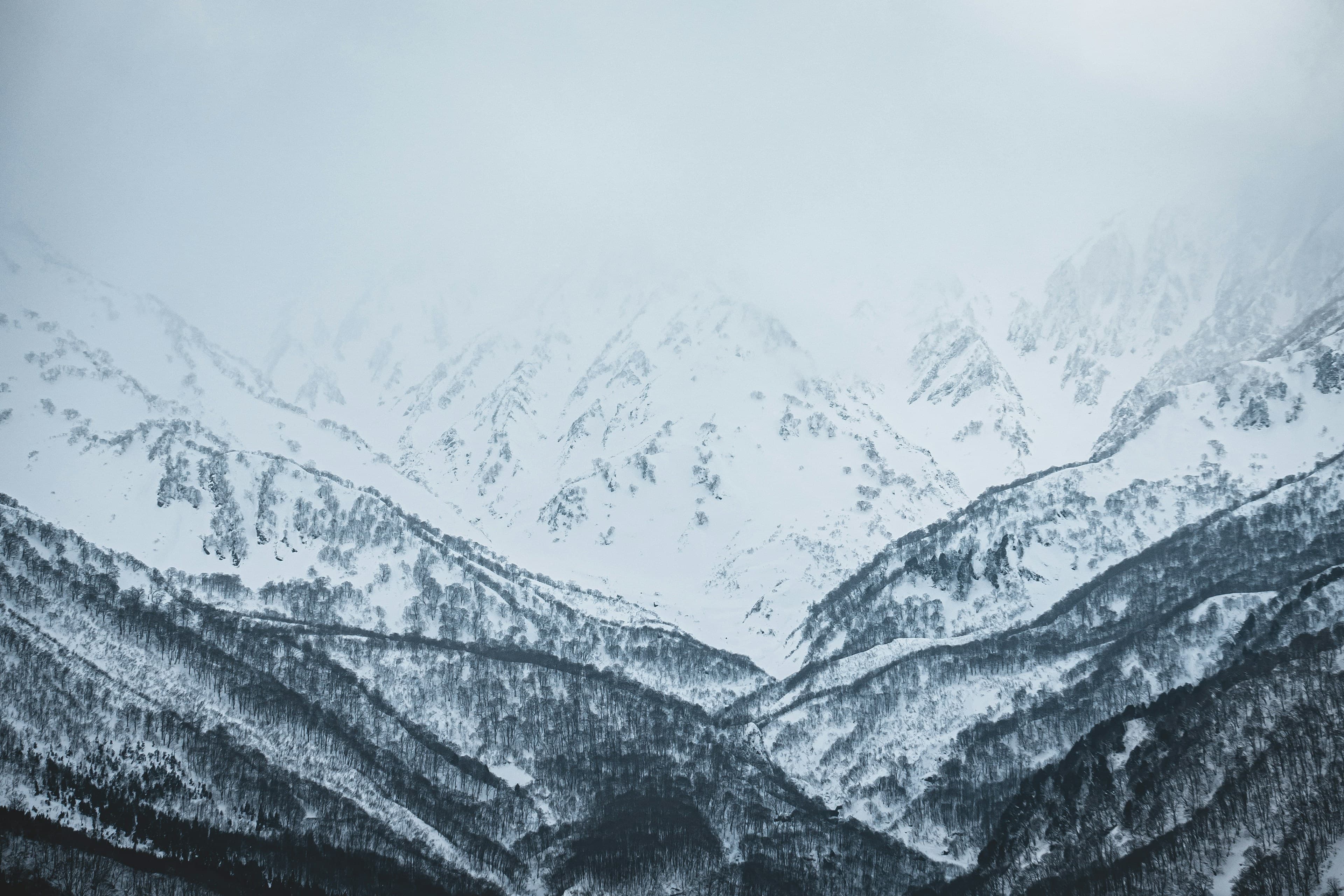
- ✗You're chasing Instagram-worthy alpine scenery above treeline - Niigata's coastal mountains offer legitimate snow but lack the dramatic rocky peaks of the Japan Alps or Hokkaido's volcanic cones
- ✗You need guaranteed English everywhere beyond basic pointing and smiling - while major Yuzawa resorts are foreigner-friendly, most of Niigata's character lies in traditional onsen towns where English is limited
- ✗You're avoiding crowds entirely and want untouched wilderness - GALA Yuzawa and popular Yuzawa areas can feel like Tokyo relocated to the mountains on weekends and holidays
- ✗You prioritize terrain parks and freestyle features over natural snow conditions - most Niigata resorts focus on powder preservation rather than elaborate park construction
Beyond the Slopes
The Local Experience
Regional Cuisine
Niigata earned its reputation as Japan's rice basket, producing some of the country's finest short-grain rice thanks to heavy snowfall that provides pure mountain water and mineral-rich soil. This agricultural excellence extends to the prefecture's renowned sake production, with over 90 breweries crafting distinctive nihonshu that pairs perfectly with post-skiing meals. Regional specialties include wappa-meshi (rice steamed in wooden containers with local ingredients), Niigata beef raised on local rice and mountain water, and fresh Sea of Japan winter seafood like sweet snow crab and buttery yellowtail. The heavy snow climate also supports hearty preservation traditions like sake-kasu (sake lees) pickled vegetables and miso-based hot pot dishes designed to warm skiers after deep powder days. Many ryokan serve elaborate kaiseki dinners featuring these local ingredients alongside small-batch sake tastings that showcase the region's brewing mastery.
Where to Eat
Niigata's culinary reputation centers on some of Japan's finest rice and sake, supported by heavy snowfall that provides pure mountain water and fertile growing conditions. Look for hearty winter specialties like kiritanpo (grilled rice cylinders in hot pot), fresh Sea of Japan seafood including sweet winter crab, and the prefecture's famous Niigata beef served in traditional ryokan kaiseki meals. The Yuzawa area offers everything from convenience store onigiri to high-end kaiseki, while Myoko's onsen towns specialize in traditional multi-course dinners featuring local mountain vegetables and regional sake pairings.
Culture & Character
Niigata embodies Japan's 'yukiguni' (snow country) culture where life revolves around surviving and celebrating the massive snowfall that defines winter existence. This creates a hardy, welcoming mountain culture where sharing hot springs and sake becomes both practical necessity and social ritual during the long snowy months. The prefecture's ski areas maintain strong connections to traditional onsen town culture, where many resorts sit directly within historic hot spring villages that have hosted winter travelers for centuries. Unlike international resort destinations, Niigata preserves authentic Japanese hospitality customs like removing shoes, ritual bathing etiquette, and the quiet appreciation of natural hot springs. Local festivals during ski season often celebrate snow itself, with illumination events and traditional performances that treat winter as cultural celebration rather than seasonal hardship.
Onsen Culture
Niigata's hot springs are integral to the ski experience, with many resorts located directly in onsen towns where mineral-rich waters have been soothing skiers for centuries. Akakura Onsen in Myoko offers traditional outdoor baths with mountain views, while Matsunoyama Onsen near Tokamachi is recognized as one of Japan's three great medicinal hot springs - perfect for soaking tired ski legs in therapeutic waters.
After Dark
Apres-ski in Niigata revolves around onsen culture rather than club scenes - the ritual of soaking in natural hot springs while snow falls around outdoor baths serves as both relaxation and social experience. Yuzawa offers a few bars and karaoke spots for younger crowds, while Myoko's onsen towns provide intimate sake lounges where conversation flows as naturally as the mineral-rich hot spring water.
Things to Do in Niigata
Beyond the ski slopes
Sake brewery tours and tastings in Niigata City, home to over 90 sake producers ...
Traditional onsen hopping between historic hot spring towns like Matsunoyama, on...
Tokamachi Snow Festival featuring massive snow sculptures, illuminated installat...
Niigata City coastal exploration including fresh seafood markets, historic port ...
Echigo-Tsumari Art Triennale sites scattered throughout rural Niigata, where con...
Traditional crafts workshops in mountain villages, including sake cup pottery, i...
Everything You Need to Know
Plan Your Trip
When to Go
January through mid-February delivers Niigata's legendary powder at its deepest and driest, when Sea of Japan storm systems dump continuous snow on the coastal mountains. Kagura extends quality skiing into late April and May thanks to its higher elevation, while the main Yuzawa season typically peaks in January and February before transitioning to heavier spring snow. Avoid Japanese national holidays and weekends if possible, when convenient Shinkansen access turns popular areas into Tokyo ski traffic.
Peak Powder Season
Early January through mid-February captures the heaviest, coldest snowfall when Siberian winds pick up maximum moisture crossing the Sea of Japan before hitting Niigata's mountains. Myoko areas average thirteen meters annually during this window, with frequent overnight dumps of 30-50cm creating consistent fresh tracks away from the groomed runs.
Ideal Trip Length
A minimum three-day trip allows sampling of the Yuzawa area with day trips to GALA, Kagura, and one traditional onsen experience, perfect for Tokyo-based powder testing. Five to seven days opens up the full Niigata experience, combining convenient Yuzawa skiing with deeper Myoko powder hunting and authentic onsen culture immersion. Extended ten-day trips pair beautifully with neighboring Nagano Prefecture, creating a comprehensive Japan Alps ski adventure that showcases both convenient resort skiing and traditional mountain culture. The prefecture's excellent Shinkansen access also makes it ideal for adding powder days to broader Japan cultural tours focused on Tokyo, Kyoto, and other major destinations.
Beat the Crowds
Weekends at GALA Yuzawa and major Yuzawa resorts can feel like rush-hour trains relocated to the mountains, especially when Tokyo gets a powder forecast. Target Tuesday through Thursday visits, and consider exploring smaller areas like Kandatsu or Seki Onsen where locals ski instead of the Shinkansen-accessible tourist magnets.
Getting There
The Joetsu Shinkansen makes Niigata uniquely accessible, with Echigo-Yuzawa station serving as the primary gateway just 75-90 minutes from Tokyo Station. GALA Yuzawa operates the world's only ski-direct Shinkansen connection via gondola inside the station, while other Yuzawa resorts connect via short shuttle buses. For Myoko areas, route through Nagano Station on the Hokuriku Shinkansen plus local trains or buses - adding transfer time but accessing deeper powder zones.
Language Tip
Major Yuzawa resorts like GALA, Naeba, and Kagura offer English signage and rental services for international visitors, but venture into traditional Myoko onsen towns or smaller local hills and you'll need basic Japanese phrases or translation apps. The good news: Japanese ski culture relies heavily on pointing, smiling, and shared powder appreciation regardless of language barriers.
Combine Your Trip
+
Nagano Prefecture for the ultimate Japan Alps ski tour, easily linked via Shinkansen with contrasting experiences from Niigata's Sea of Japan powder to Nagano's high-alpine terrain
+
Tokyo for urban/mountain contrast, where you can experience hypermodern city culture then be skiing powder ninety minutes later via direct Shinkansen connection
+
Hokkaido if you have two weeks and want to compare Japan's two premier powder destinations, experiencing both accessible and remote skiing cultures
+
Gunma Prefecture hot springs for onsen enthusiasts, creating a comprehensive therapeutic hot spring and skiing tour across multiple prefectures
Common Mistakes
- ✗
Assuming all Niigata skiing is accessible directly from the Shinkansen like GALA - most resorts require shuttle buses from Echigo-Yuzawa or transfers through Nagano, so factor connection time into your planning
- ✗
Underestimating weekend crowds at convenient Yuzawa areas - the same Shinkansen access that makes weekday skiing perfect creates weekend bottlenecks when half of Tokyo shows up for powder
- ✗
Expecting Hokkaido-style above-treeline terrain - Niigata's coastal mountains offer incredible tree skiing and powder but lack the dramatic alpine bowls of higher elevation regions
- ✗
Packing light for 'easy access' skiing - Niigata's snow country climate can produce blizzard conditions and waist-deep accumulations that require serious winter gear despite convenient transportation
- ✗
Booking too late for quality ryokan in Myoko onsen towns - the best traditional accommodations with private hot springs fill up months ahead, especially for peak powder season weekends
Insider Tips
What the locals know
Book Echigo-Yuzawa accommodation well ahead for weekends - the Shinkansen convenience makes this Tokyo's weekend powder escape, creating serious demand spikes on any decent snow forecast
Pack serious winter gear despite the easy access - Niigata's 'snow country' climate can dump waist-deep overnight accumulations that shut down roads and overwhelm unprepared visitors
Consider Myoko via Nagano instead of the Yuzawa route if you're serious about powder - the extra transfer gets you to deeper, drier snow with more traditional onsen culture and fewer crowds
Time your onsen visits for late afternoon golden hour when most day-trippers have caught trains back to Tokyo - you'll have traditional hot springs largely to yourself as snow falls around the outdoor baths
Download offline maps and translation apps for exploring beyond major Yuzawa resorts - Niigata's best powder often lies at smaller local hills where English signage disappears but snow quality soars
Quick Answers
Frequently Asked Questions
Niigata has some of Japan's best skiing - thirteen meters of annual snowfall just 90 minutes from Tokyo by Shinkansen. The Sea of Japan dumps relentless powder on 57 ski areas ranging from beginner-friendly Yuzawa resorts to Myoko's legendary tree runs. You can literally ski directly off the bullet train at GALA Yuzawa, making this the most accessible powder experience in Japan.
Absolutely - Niigata delivers Hokkaido-quality snow without the travel commitment or international resort prices. The convenience factor is unmatched anywhere in the world, with direct Shinkansen access to multiple powder destinations in under two hours from Tokyo. Add authentic onsen culture, incredible local sake, and terrain ranging from family-friendly to serious backcountry, and you've got Japan's most practical powder paradise.
January through mid-February offers Niigata's legendary powder at its deepest and driest, when Sea of Japan storm systems dump continuous snow on the coastal mountains. Myoko areas average thirteen meters annually during this window, with frequent overnight accumulations of 30-50cm. Kagura extends quality skiing into late April and May thanks to higher elevation, but peak conditions hit in January-February.
Early January through mid-February captures the heaviest, coldest snowfall when Siberian winds pick up maximum moisture crossing the Sea of Japan. This creates consistent fresh tracks and waist-deep base depths at areas like Myoko and Naeba. Target weekdays during this window to avoid Tokyo crowds while maximizing powder opportunities.
The Joetsu Shinkansen makes Niigata uniquely accessible, with Echigo-Yuzawa station just 75-90 minutes from Tokyo Station serving as the primary ski gateway. GALA Yuzawa operates the world's only ski-direct Shinkansen connection via gondola inside the station. For Myoko areas, take the Hokuriku Shinkansen to Nagano Station plus local trains or buses - adding transfer time but accessing deeper powder zones.
Echigo-Yuzawa town offers direct Shinkansen access and shuttle connections to multiple resorts like GALA, Naeba, and Kagura - perfect for convenience and first-time visitors. For deeper powder and authentic culture, stay in Myoko's onsen villages like Akakura Onsen with traditional ryokan and therapeutic hot springs. Book well ahead for weekends when Tokyo powder hunters flood the easily accessible areas.
Major Yuzawa resorts like GALA, Naeba, and Kagura offer English signage and rental services for international visitors. Traditional Myoko onsen towns and smaller local hills have limited English, but Japanese ski culture relies heavily on pointing, smiling, and shared powder appreciation. Download offline translation apps for exploring beyond the main tourist areas where the best powder often lies.
Niigata offers excellent value compared to international mega-resorts, with local hills like Kandatsu and Maiko delivering legitimate deep snow without the markup. You'll save using the JR Pass for Shinkansen access and staying in business hotels or simple pensions rather than luxury resorts. Splurge on onsen ryokan with kaiseki meals and ski-in/ski-out properties like Naeba Prince Hotel for the full experience.
Niigata excels for beginners, with gentle, wide slopes at resorts like Maiko and GALA Yuzawa perfect for learning. The Yuzawa area provides English-friendly rental services, lessons, and forgiving terrain while still delivering real powder snow. Most Niigata resorts show around 30-40% beginner terrain, and the convenient Shinkansen access means no stressful mountain driving for nervous first-timers.
A minimum three days allows sampling the Yuzawa area with visits to GALA, Kagura, and one onsen experience - perfect for Tokyo-based powder testing. Five to seven days opens up the full experience, combining convenient Yuzawa skiing with deeper Myoko powder hunting and authentic hot spring culture. The excellent Shinkansen access makes Niigata ideal for adding powder days to broader Japan cultural tours.
Niigata wins for convenience and snow quantity - thirteen meters annually with direct Shinkansen access makes it unbeatable for Tokyo-based trips and reliable powder. Nagano offers higher elevation alpine terrain, more dramatic scenery, and famous resorts like Hakuba Valley. Choose Niigata for accessible powder and onsen culture; choose Nagano for serious alpine skiing and international resort amenities.
Niigata receives Sea of Japan powder when cold Siberian winds pick up moisture over the water before hitting the coastal mountains, creating incredibly heavy snowfall - up to thirteen meters annually in areas like Myoko. This 'yukiguni' (snow country) climate produces light, dry powder similar to Hokkaido but with much easier access from Tokyo. The combination of quantity, quality, and convenience is unmatched anywhere in the world.
Individual Resorts
Ski Resorts in Niigata
13 resorts
Continue Exploring