LOADING LOCATION...
Back to All Locations
Ski Area
Shiga Kogen
Sixteen mountains. One pass. Zero crowds.
12m+
Avg Snowfall
-8°C
Avg Temp
16
Resorts
Ski Area Guide
About Shiga Kogen
Shiga Kogen is Japan's largest interconnected ski area - 16 resorts sprawling across volcanic peaks at elevations up to 2,307m, all on one lift ticket. While Niseko gets the Instagram crowds, Shiga delivers 12 meters of annual snowfall, 80 marked runs, and the kind of authentic Japanese mountain culture where you'll hear more Japanese than English on the lifts.
“This is where Japanese families and serious local skiers come for legitimate powder skiing without the tourist circus. Weekdays feel like having a private mountain range; weekends bring Tokyo families and ski school armies but the sheer scale absorbs crowds easily. Zero international scene means pointing and smiling replaces English menus, but also means authentic pricing and genuine mountain hospitality.”
What Sets It Apart
Sixteen mountains. One pass. Zero crowds.
Best For
- ✓Intermediate skiers ready to explore massive terrain variety without tourist markup - one pass unlocks everything from gentle Ichinose family runs to Yokoteyama's 2,307m alpine bowls
- ✓Powder hunters who've done the Instagram resorts and want to remember what uncrowded Japanese skiing feels like - midweek you'll have entire mountains to yourself
- ✓Families seeking authentic Japanese mountain culture with ski-in/ski-out convenience at Prince Hotels but without Niseko's international chaos and pricing
- ✓Spring skiing addicts who want to extend the season into May with reliable snow quality at Japan's highest elevations
Skip If
- ✗Your Japanese vocabulary stops at 'arigato' and you panic without English menus everywhere - this is authentically Japanese with minimal international support
- ✗You're chasing steep expert terrain exclusively - the blacks here are fun and long but not heart-stopping compared to European standards
- ✗You need vibrant nightlife or international dining scenes - the mountains shut down early and so does everything else
- ✗You're on a tight 2-day schedule - this place rewards longer stays to explore the massive interconnected terrain properly
Beyond the Slopes
The Local Experience
Where to Eat
Authentic Japanese mountain food dominates - curry rice, ramen, and katsu at base lodges with some hotel restaurants offering more refined kaiseki. English menus are rare but pointing at plastic food displays works everywhere.
Onsen Culture
The jade-green outdoor baths at Kumanoyu are Shiga Kogen's must-soak experience - volcanic minerals give the water an otherworldly emerald color you won't find elsewhere in Japan. Many ski-in/ski-out hotels throughout the area offer private onsen access, and the nearby Shibu Onsen town (20 minutes by bus) delivers traditional ryokan soaking with nine public bathhouses to explore.
Pro Tip
Most onsens in Shiga Kogen require removing shoes at the entrance, washing thoroughly before entering the bath, and keeping towels out of the water. Tattoos may be an issue at some traditional establishments.
After Dark
Practically non-existent - this is family-focused Japanese skiing where everyone's asleep by 9pm. A few hotel bars and izakaya in Ichinose Village provide the only evening options.
Apres-Ski Scene
Shiga Kogen offers everything from cozy izakayas to international bars. Most spots stay open until late, making it easy to swap powder stories over local sake or imported craft beers.
RESORT COMPARISON
Which Resort
Is For You?
Shiga Kogen splits into distinct zones: the Central Hub (Ichinose/Takamagahara) has the amenities and lift connections, Yakebitaiyama delivers Prince Hotel convenience and Olympic-grade terrain, Okushiga and Kumanoyu hold the best powder at elevation, and Yokoteyama offers Japan's highest lifts at 2,307m. The gateway areas (Hasuike, Maruike, Giant) near the bus hub serve beginners and day-trippers. Most zones are lift-linked except Yokoteyama and Kumanoyu which require the free shuttle.
Our Recommendation
For a 5-day trip, base in Ichinose Village for amenities and connections, spend Day 1-2 exploring the central network (Takamagahara, Higashi/Nishi-tateyama), Day 3 at Okushiga for the best powder, Day 4 shuttling to Yokoteyama for high-alpine experience, and Day 5 at Yakebitaiyama for varied terrain and Olympic courses.
BASE CAMP OPTIONS
Where To Stay
Accommodation spreads across multiple mountain villages with genuine ski-in/ski-out options throughout the interconnected network. Most zones offer traditional Japanese mountain lodges and modern hotels, with Prince Hotels (East, South, West wings) dominating Yakebitaiyama and European-style properties concentrated in Okushiga.
Accommodation Zones
01Ichinose Village
02Yakebitaiyama
03Takamagahara
04Okushiga Kogen
05Hasuike/Maruike
06Sun Valley/Giant
07Kumanoyu
Best Value Pick
Budget Smart
Ichinose Village offers the best combination of ski-in/ski-out access, dining options, and central location for exploring the entire network without premium resort pricing
Mid-Range Budget
Splurge Pick
Go Big
Hotel Grand Phenix Okushiga is the region's only five-star property - European alpine elegance with direct slope access, exceptional dining, and the tranquil powder-focused atmosphere that makes Okushiga special
Premium Experience
LIFT PASS INFO
Shiga Kogen All-Mountain Pass covers all 16 interconnected ski areas with access to approximately 70 lifts and 80 marked runs - the ultimate exploration ticket for Japan's largest ski domain
Recommended
All-Mountain Pass
16 RESORTS
Shiga Kogen All-Mountain Pass covers all 16 interconnected ski areas with access to approximately 70 lifts and 80 marked runs - the ultimate exploration ticket for Japan's largest ski domain
Access all resorts on one pass
Free shuttle system included
Best value for 3+ day stays
Single Resort Tickets
Single-resort tickets make sense only if you're staying at one specific area like Yakebitaiyama for 1-2 days and don't plan to explore - otherwise the all-mountain pass is essential for experiencing Shiga Kogen properly
Only worth it for 1-2 day trips
No shuttle access between resorts
Good if staying at one base area only
Pro Tip
Buy your pass online before arrival to skip ticket office lines. Most passes can be activated at automated gates using a QR code.
Individual Resorts
Ski Resorts in Shiga Kogen
16 resorts
Quick Answers
Frequently Asked Questions
Hasuipe delivers the gentlest learning terrain in Shiga Kogen with wide, forgiving slopes perfect for complete beginners and ski school central. Maruike works for families with toddlers wanting their first snow experience with sledding and conveyor lifts. Both connect to more challenging terrain at Ichinose and beyond, so you can progress without changing base areas.
Learn moreOkushiga consistently holds the best powder quality in Shiga Kogen with secluded upper valley terrain, legitimate tree skiing, and elevation that keeps snow cold and dry. Kumanoyu runs a close second with steep sidecountry access at 1,960m and minimal crowds tracking it out. Both require shuttle buses or advanced lift connections, but the powder payoff is worth the extra effort.
Learn moreTake the Shinkansen from Tokyo to Nagano (90 minutes) then catch the direct express bus to Shiga Kogen (70 minutes) - completely car-free friendly with buses serving multiple resort areas. The entire journey runs about 2.5-3 hours door-to-slopes, making it one of the most accessible major ski areas from Tokyo.
Learn moreYes - the Shiga Kogen All-Mountain Pass covers all 16 interconnected ski areas with access to approximately 70 lifts and 80 marked runs. This is the whole point of Shiga Kogen and essential unless you're literally staying one day at a single area. Single-resort tickets exist but make zero sense when you have Japan's largest ski domain to explore on one ticket.
Ichinose Village offers the best combination of ski-in/ski-out access, dining options, and central location for exploring the entire network without premium resort pricing. Yakebitaiyama works if you want Prince Hotel convenience and modern facilities with access to Olympic terrain and the area's only terrain park. For upscale European-style atmosphere with the best powder access, Okushiga delivers Hotel Grand Phenix luxury in a quieter setting.
Plan 5+ days to properly explore the 16 interconnected resorts without rushing - trying to cover everything in 2-3 days is a common mistake that leaves you exhausted and frustrated. Focus on 3-4 connected resort clusters per day rather than checking boxes at all 16 areas. The recommendation: base in Ichinose, spend 2 days exploring the central network, dedicate full days to Okushiga and Yokoteyama, then finish at Yakebitaiyama for variety.
Weekdays feel like having a private mountain range with entire resorts to yourself, while weekends bring Tokyo families and ski school armies that the sheer scale absorbs easily. Skip Japanese New Year holidays and weekends in February when crowds peak, but even then you'll find empty slopes at smaller areas like Terakoya or distant Yokoteyama. Zero international scene means you're dodging Japanese crowds, not the Instagram tourist circus.
Mid-January through February delivers the coldest, driest powder when 12 meters of annual snowfall stays light at high elevations up to 2,307m. March offers great snow quality with longer daylight hours and warmer temperatures, while many areas operate into May for spring skiing addicts. Avoid Japanese New Year and February weekends if crowds bother you - weekdays in January and March offer nearly empty slopes.
English support is minimal throughout - this is authentically Japanese mountain culture with pointing and smiling replacing English menus. Download translation apps and prepare for genuine Japanese hospitality where your vocabulary might stop at 'arigato' but locals make it work. If you panic without English everywhere, this isn't your mountain - but if you embrace the authentic experience, the lack of international crowds becomes a feature.
The jade-green outdoor baths at Kumanoyu are Shiga Kogen's must-soak experience - volcanic minerals create an otherworldly emerald color you won't find elsewhere in Japan. Many ski-in/ski-out hotels throughout the area offer private onsen access, and the nearby Shibu Onsen town (20 minutes by bus) delivers traditional ryokan soaking with nine public bathhouses to explore after skiing.
Continue Exploring
Other Regions
Hokkaido
The North Sector
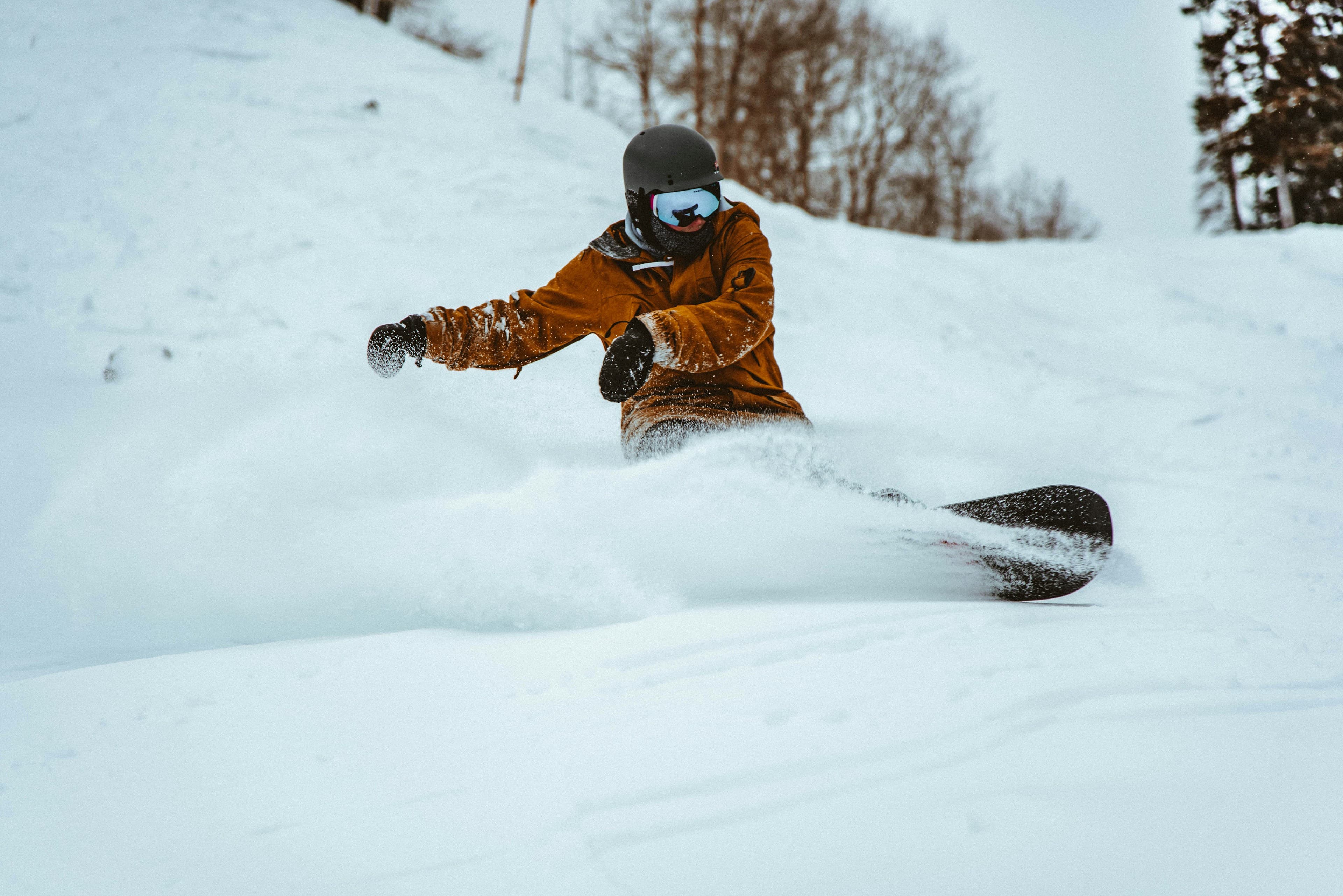
Nagano
The Japanese Alps
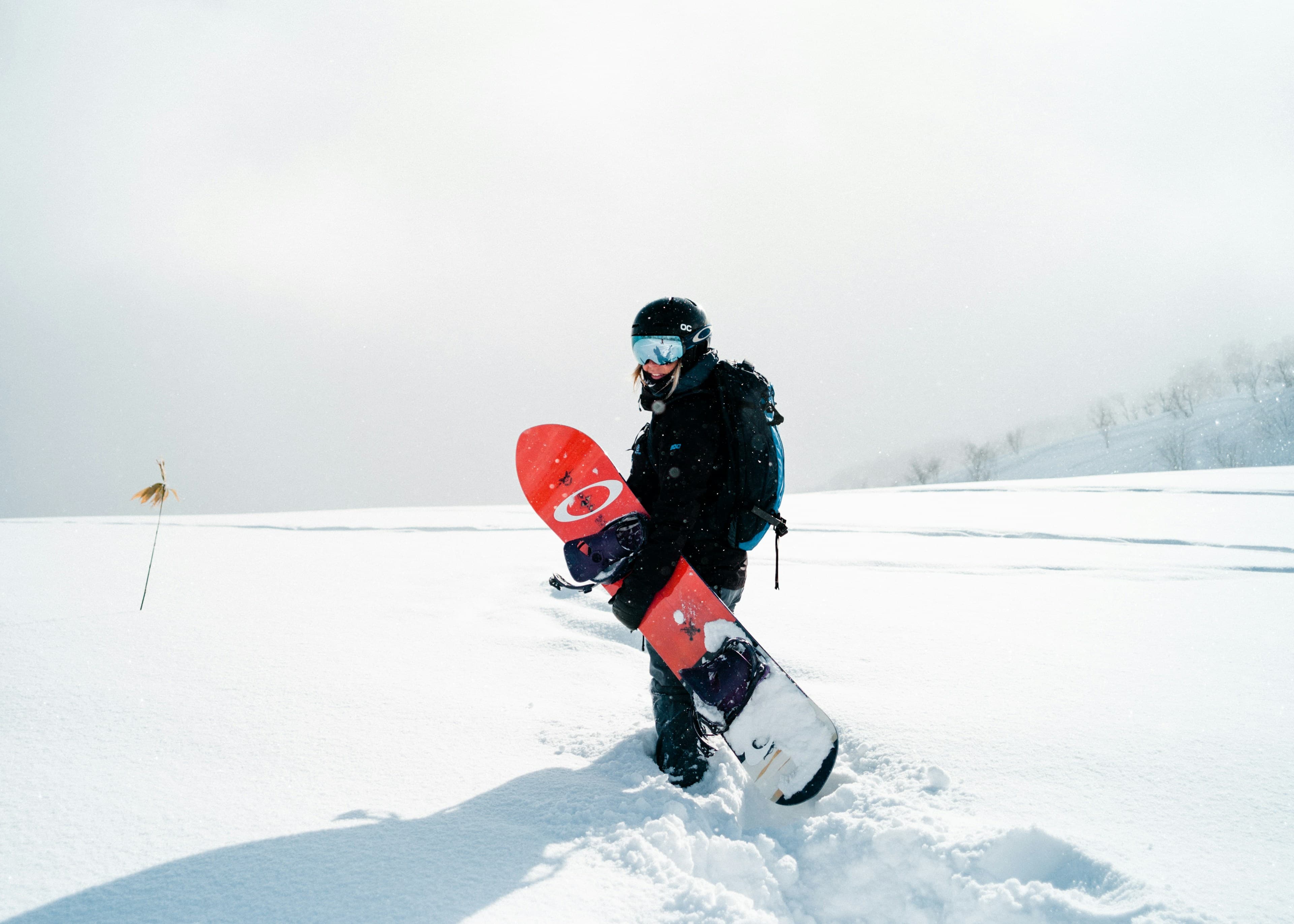
Niigata
Snow Country
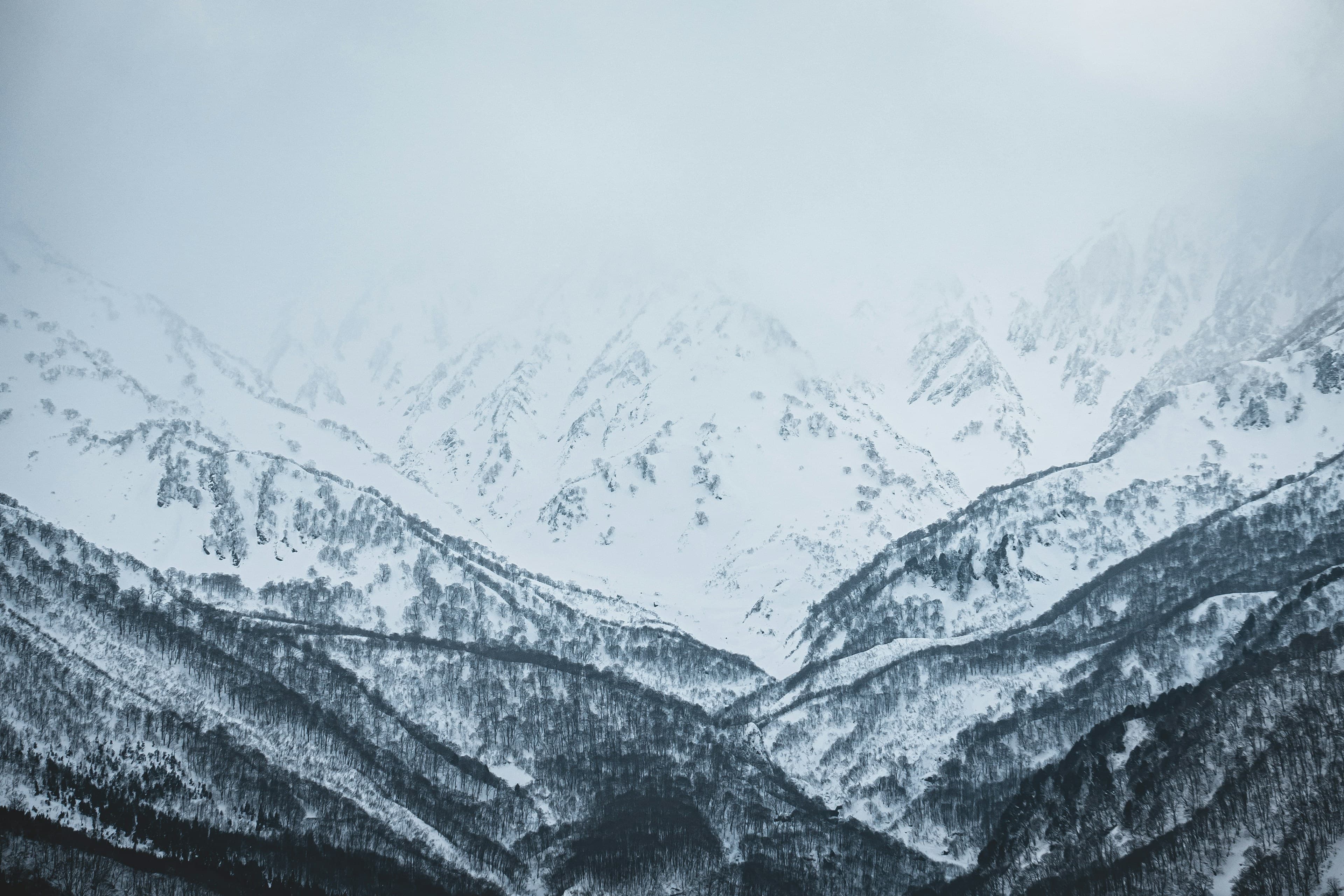
Tohoku
The Powder Frontier
Akita
Budget Powder Paradise
Aomori
Honshu's Deepest Powder
Fukushima
Hidden Powder Sanctuary
Gunma
Tokyo's Secret Powder Stash
Iwate
Tohoku's Powder Secret
Yamagata
Snow Monsters & Onsen
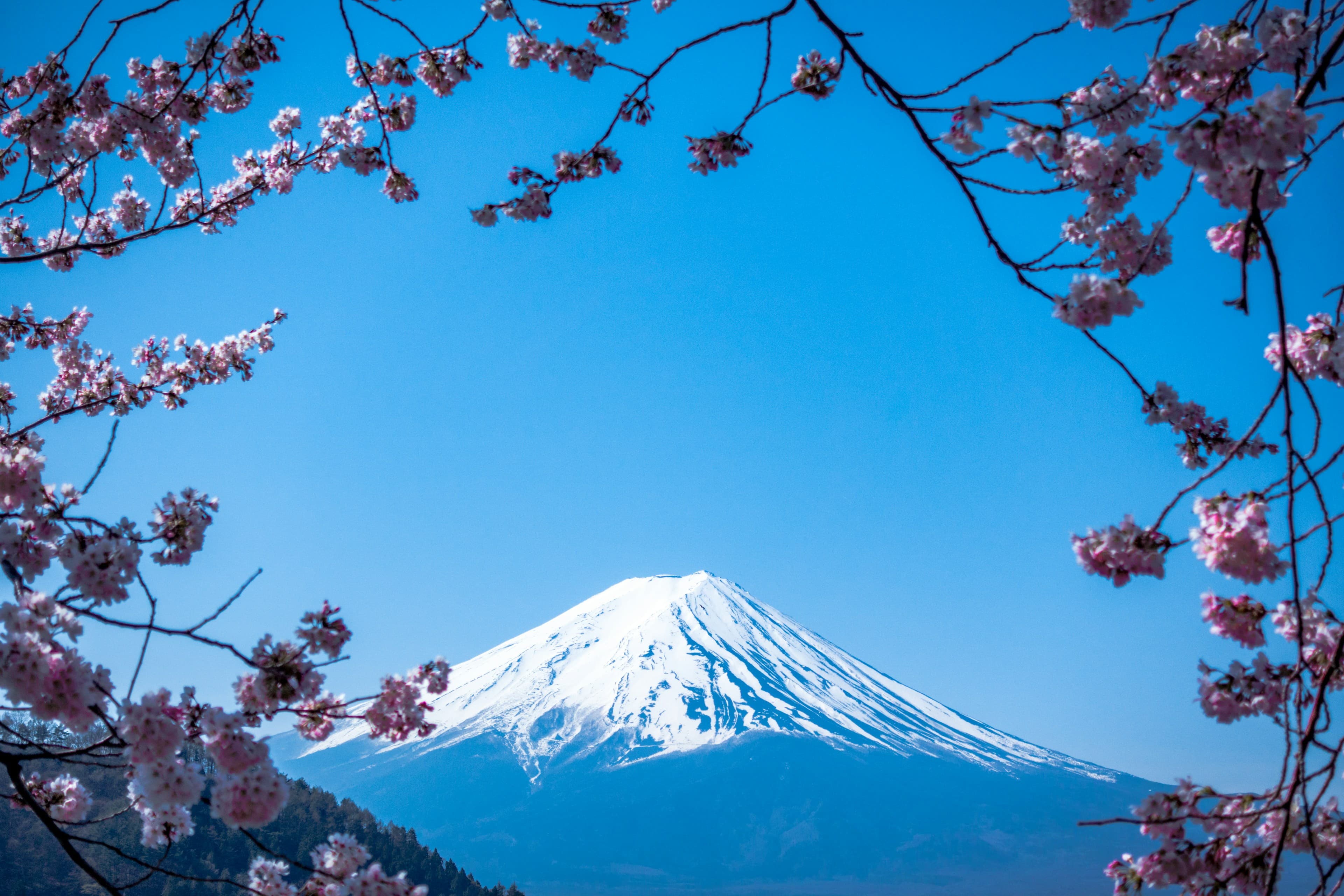
Yamanashi
Ski With Mt. Fuji