LOADING RESORTS...
Aomori Spring
Aomori
4
469 reviews
Overview
Aomori Spring is where you remember that Japan has more than just Hokkaido - this is the northernmost resort on Honshu, where 13+ meters of annual snowfall meets zero Instagram crowds. The terrain's surprisingly legit for a small resort, with genuine steeps and tree lines, plus you can see the Sea of Japan from the gondola top.
Getting There
5-6 hours from Tokyo via Tohoku Shinkansen to Shin-Aomori, then local trains to Ajigasawa, then taxi - plan for a full travel day
Quick Facts
Season
Mid to late December - Late March to early April
Crowds
LOW
English
●●●●●
2/5Lifts
5
Rating
4/5.0
(469 reviews)
About This Resort
Terrain
What's the Skiing Like at Aomori Spring Ski Resort?
14 marked runs with surprising variety - genuine steep terrain up top (Diamond and Twister courses form that famous 'Formosa' tree bowl), plus long cruisers like the 3.4km Main Line. The tree skiing is the real draw here, with abundant natural glades between marked runs. Snow quality is outstanding thanks to the Sea of Japan effect, though the modest 921m summit means base conditions can vary in March.
The Onsen Experience
Rockwood Hotel & Spa with indoor and outdoor baths, ski-in/ski-out
Vibe Check
What's the Atmosphere Like?
This is old-school Japanese ski culture - mostly locals and the occasional Taiwanese tour group who figured out this secret years ago. The single slopeside hotel creates a contained mountain village feel, and everyone ends up in the onsen together after last chair. English is limited but the vibe is welcoming.
"This is by far the best ski resort I've been to in Japan and I've been to over 20 different Japanese ski resorts. The lift crew work tirelessly overnight to keep every single lift open every day."
— Google Review
Best For
Who Should Ski Aomori Spring Ski Resort?
- ✓Powder hunters who've done the Hokkaido thing and want their soul back - this is the upgrade you didn't know existed
- ✓Tree skiing addicts who want accessible sidecountry without the hiking or avalanche stress
- ✓Anyone seeking authentic Japanese ski culture without language barriers ruining the experience
Skip If
Who Might Want to Skip Aomori Spring Ski Resort?
- ✗You need English menus and resort staff who speak your language fluently
- ✗You're chasing nightlife or apres scene - this place rolls up the sidewalks after dinner
- ✗You want massive vertical or resort village amenities - this is a mountain hotel, not a destination resort
Real Reviews
What Visitors Say
✓ The Good
- ✓Exceptional powder quality and quantity - consistently deep, dry snow
- ✓Accessible tree skiing and varied terrain despite modest size
- ✓Outstanding value for money compared to major resorts
⚠ Heads Up
- ⚠Hotel facilities are dated - comfortable but definitely not luxury
- ⚠Very limited English support throughout the resort
- ⚠Remote location requires careful transport planning
Timing
When's the Best Time to Visit?
Late December through February for the deepest, driest powder, with January being peak conditions. Avoid the New Year week (Dec 28-Jan 4) when even this quiet resort sees crowds, though weekdays remain blissfully empty year-round.
Watch Out
Mistakes to Avoid
- Underestimating the remote location - there's no shuttle from the nearest train station, so budget for taxi costs
- Expecting resort-level English support - brush up on basic Japanese ski terms or download translation apps
- Skipping the rental gear upgrade - the 1000 yen for new equipment is worth every cent
Pro Tips
Insider Tips
- Skip the main runs and head straight to the tree zones between Diamond and Twister - that's where the untouched powder hides while everyone else laps the groomed runs
- The rental upgrade to new gear for 1000 yen is the best deal in Japanese skiing - take it, the standard gear shows its age
- Hit the outdoor onsen right at 5pm when the mountain empties - you'll have the rotenburo to yourself with Sea of Japan views
Off the Mountain
Food & Après-Ski
Dining
Standard Japanese ski resort fare - curry, ramen, udon at the cafeterias, with surprisingly good fresh pizza that earned repeat customers. The hotel restaurant offers more substantial meals, though nothing fancy.
Nightlife
None - this is mountain hotel quiet after dinner, with the onsen serving as the only evening social hub
Location
Stats
Peak Elevation
921m
Vertical Drop
545m
Total Runs
14
Features
- Halfpipe
- Tree Runs
- Equipment Rental
- Gondola
- Night Skiing
- Terrain Park
Frequently Asked Questions
Aomori Spring delivers legitimate skiing with 13+ meters of annual snowfall and surprisingly varied terrain for a small resort - genuine steep terrain up top, accessible tree skiing, and a solid 3.4km cruiser. The snow quality is outstanding thanks to the Sea of Japan effect, and you'll have it mostly to yourself since this is where powder hunters go after they've done the Hokkaido thing. The 14 runs include real steeps and abundant natural glades, making it feel much bigger than the stats suggest.
Learn moreAomori Spring isn't the ideal beginner choice - while there are marked runs for all levels, the resort's real appeal is the steep terrain and tree skiing that attracts advanced riders. The modest 921m summit and limited English support also make it challenging for first-timers. If you're learning, you'll find better options with more dedicated beginner zones and instruction in English.
Learn moreTake the Tohoku Shinkansen from Tokyo to Shin-Aomori (about 3 hours), then transfer to local trains to Ajigasawa, followed by a taxi to the resort - total journey is 5-6 hours. There's no shuttle from the train station, so budget for taxi costs and plan for a full travel day. The remote location is part of the appeal, but it requires careful transport planning.
Learn moreLate December through February delivers the deepest, driest powder, with January being peak conditions for snow quality. Avoid the New Year week (December 28-January 4) when even this quiet resort sees crowds, though weekdays remain blissfully empty year-round. The 13+ meters of annual snowfall means consistent conditions throughout this window.
Yes - the slopeside Rockwood Hotel & Spa has both indoor and outdoor baths with ski-in/ski-out access. Hit the outdoor rotenburo right at 5pm when the mountain empties and you'll have it to yourself with Sea of Japan views. It's the perfect end to a powder day, and everyone ends up soaking together in true Japanese ski culture fashion.
Limited English - basic signs and ticket counters exist, but don't expect much beyond that. This is old-school Japanese ski culture with mostly locals and the occasional Taiwanese tour group, so brush up on basic Japanese ski terms or download translation apps. The vibe is welcoming despite the language barrier, but this isn't an international resort.
Rarely crowded even on weekends - this is the complete absence of crowds that Niseko had 20 years ago. Weekends from 10am-2pm see some activity, but 'crowded' here means actual lift lines instead of ski-on, which tells you everything. Weekdays remain blissfully empty year-round, with untouched powder hiding in the trees while the few visitors lap groomed runs.
The combination of legitimate deep powder, accessible tree skiing, and complete absence of crowds - this is what Niseko felt like 20 years ago, with better snow quality. You get 13+ meters of annual snowfall, genuine steep terrain, and abundant natural glades between marked runs, all without the Instagram crowds. It's the northernmost resort on Honshu where you can see the Sea of Japan from the gondola top, delivering authentic Japanese ski culture at exceptional value.
Yes - night skiing runs from 16:30 to 21:00, extending your powder day into the evening. With 5 lifts and 14 runs to choose from, plus the typically low crowds, night sessions here offer a rare chance to lap fresh lines under lights. Just remember the resort rolls up the sidewalks after dinner, so this is your evening entertainment.
Don't underestimate the remote location - there's no shuttle from the nearest train station, so budget for taxi costs from Ajigasawa. Take the rental gear upgrade to new equipment for 1000 yen, as the standard gear shows its age. Skip the main runs and head straight to the tree zones between Diamond and Twister where untouched powder hides while everyone else laps groomed runs.
Quick Facts
Season
Mid to late December - Late March to early April
Crowds
LOW
English
●●●●●
2/5Lifts
5
Rating
4/5.0
(469 reviews)
More in Aomori
1 other resort nearby
Continue Exploring
Other Regions
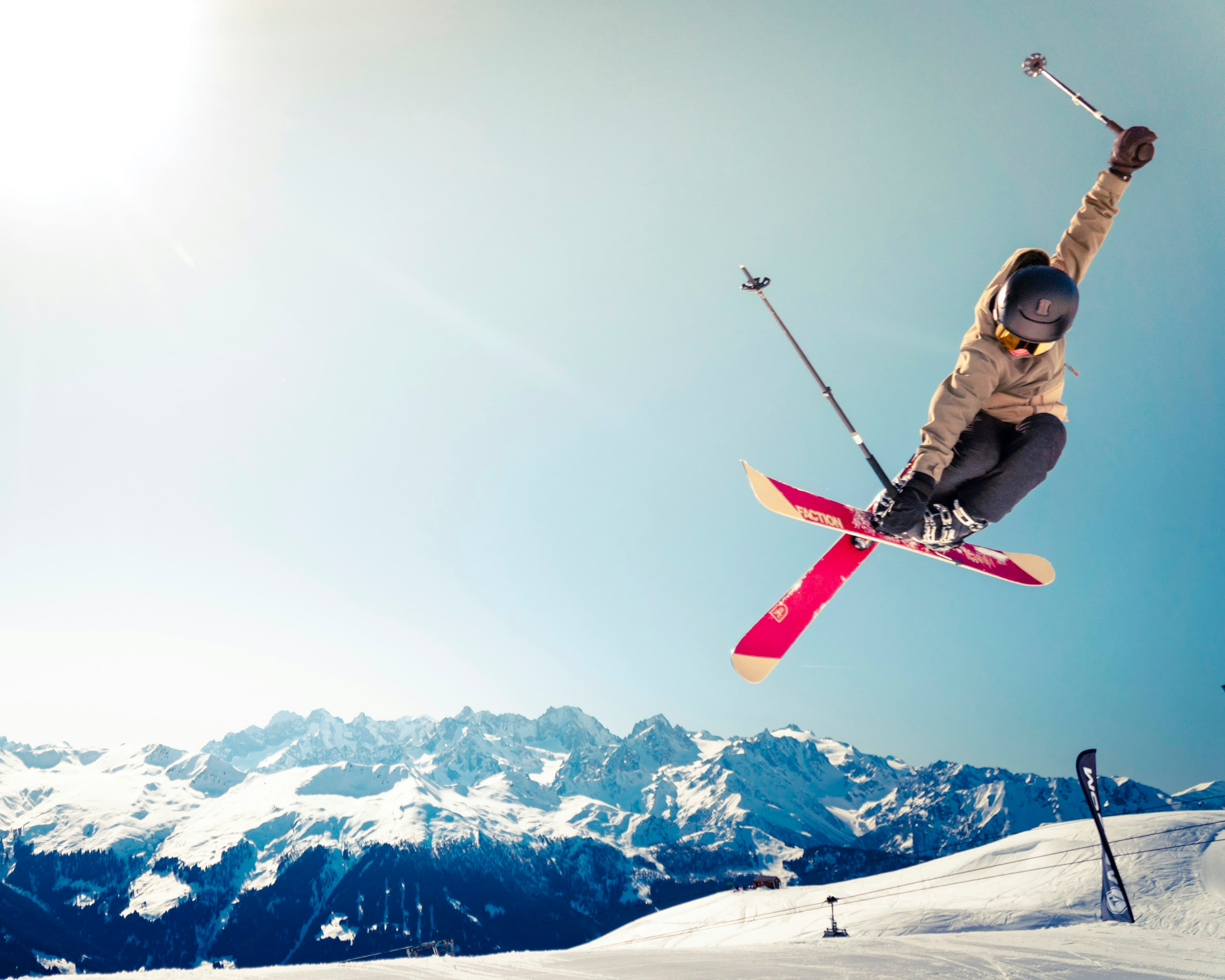
Hokkaido
The North Sector
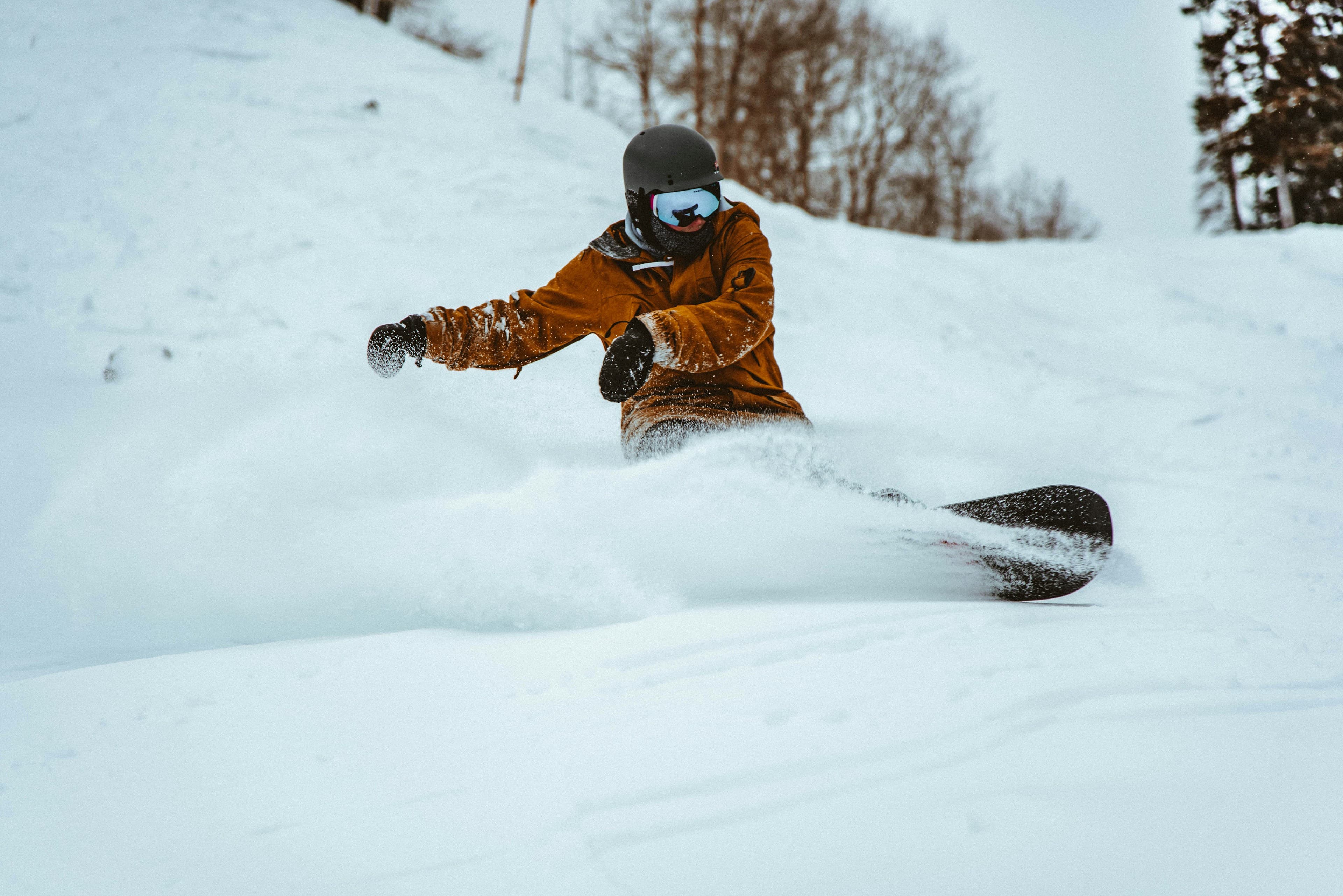
Nagano
The Japanese Alps
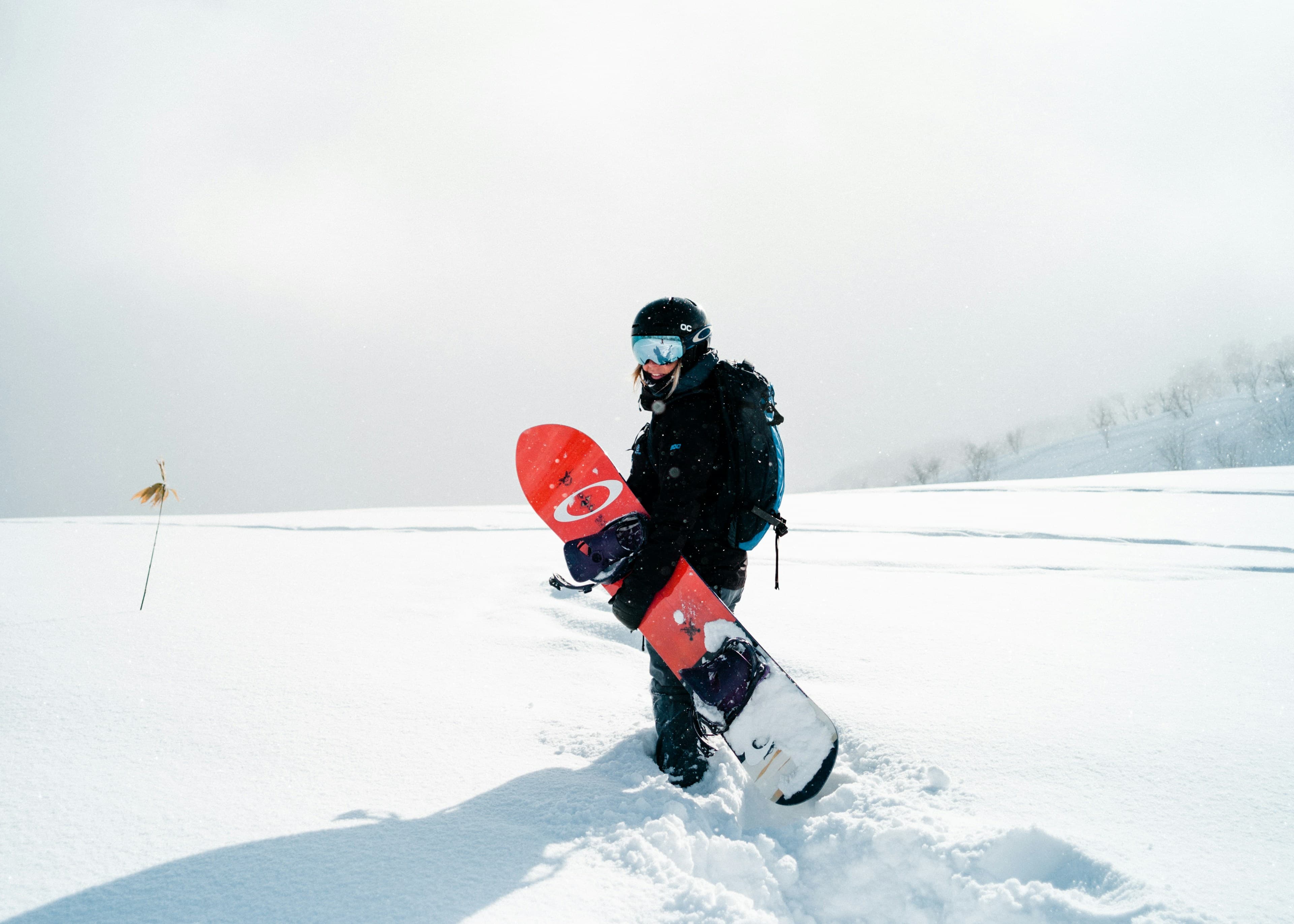
Niigata
Snow Country
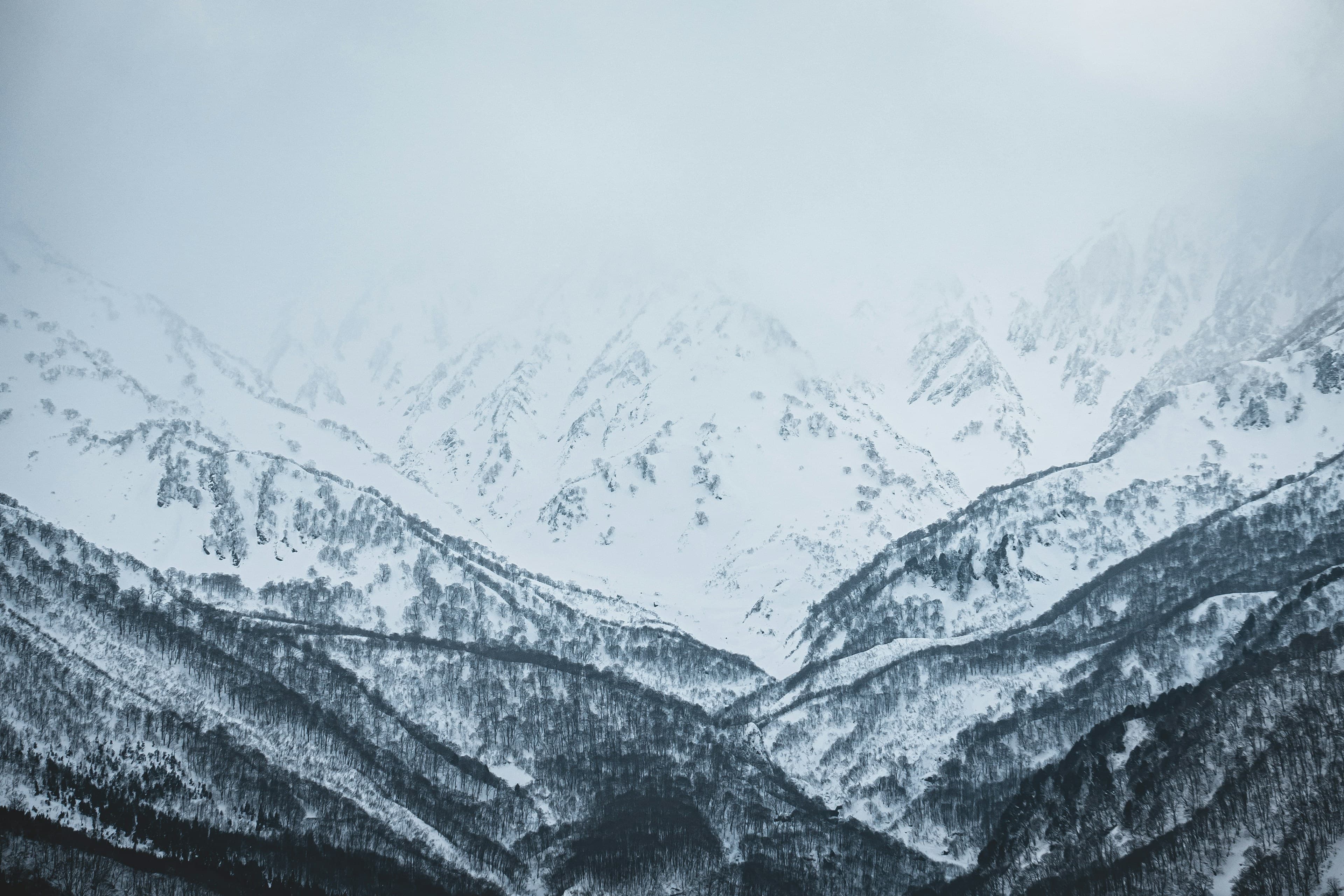
Tohoku
The Powder Frontier
Akita
Budget Powder Paradise
Aomori
Honshu's Deepest Powder
Fukushima
Hidden Powder Sanctuary
Gunma
Tokyo's Secret Powder Stash
Iwate
Tohoku's Powder Secret
Yamagata
Snow Monsters & Onsen
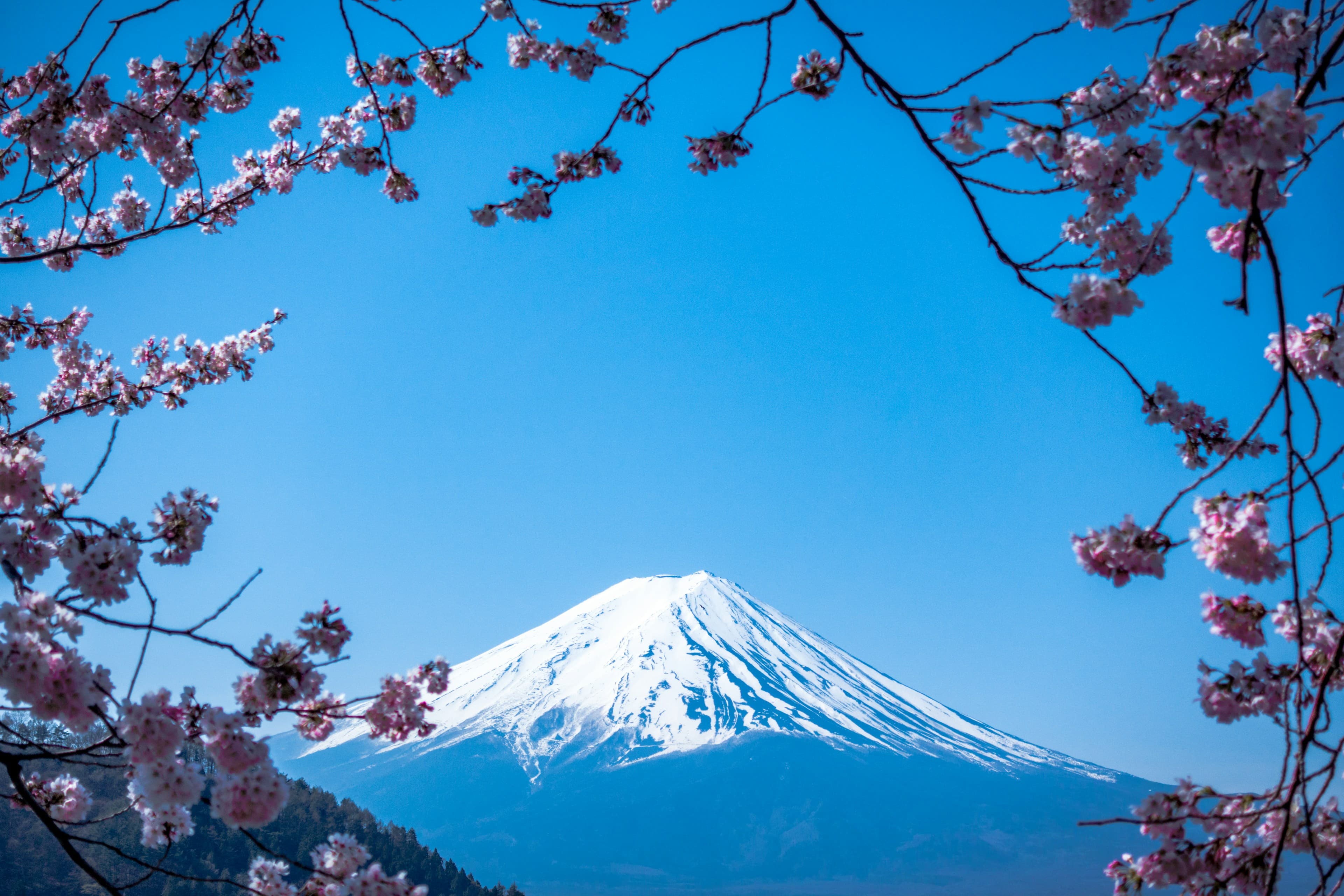
Yamanashi
Ski With Mt. Fuji