LOADING RESORTS...
Zao Onsen
Yamagata
4.5
1,336 reviews
Overview
Zao is where you go to ski through actual snow monsters - those ghostly ice sculptures clinging to the trees at 1,661m - then soak your bones in sulfur springs that have been bubbling for 1,900 years. This is old-school Japan skiing at its finest: 9km top-to-bottom runs through beech forests, zero English menus, and onsen so acidic they'll strip the wax off your skis if you're not careful.
Getting There
3.5-4 hours from Tokyo via Tohoku Shinkansen to Yamagata Station, then 40-minute bus to Zao Onsen (total around ¥12,000-13,000 one-way)
Quick Facts
Season
Early December - Early May
Crowds
MEDIUM
English
●●●●●
2/5Lifts
38
Rating
4.5/5.0
(1,336 reviews)
About This Resort
Terrain
What's the Skiing Like at Zao Onsen?
Twenty-five marked runs spread across 186 hectares, with the legendary 9km Snow Monster Course offering one of Japan's longest continuous descents. The terrain skews intermediate with some legitimate steeps up top, but the real magic happens in the beech forest sections where north-facing slopes hold powder for days. At 881m vertical, it's not massive, but that long cruiser down through the juhyo (snow monsters) is pure Japanese skiing poetry.
The Onsen Experience
Zao Onsen offers multiple ryokan and hotel hot springs, including a large 200-person open-air bath with milky sulfur water
Vibe Check
What's the Atmosphere Like?
Overwhelmingly Japanese families and serious skiers from Sendai who've been coming here for decades. Weekdays feel like you have a private mountain; weekends bring the crowds but they're polite queue-ers, not lift-line cutters. The onsen village at the base is straight out of another century - steam rising from manholes, wooden ryokan creaking in the wind, and the kind of authentic mountain town atmosphere that's disappeared from most ski resorts.
"Best ski resort in Tohoku region IMO - the wind was cold, snow all around, and everything was covered in a soft white mist that made the whole place feel almost magical."
— Google Review
Best For
Who Should Ski Zao Onsen?
- ✓Intermediate skiers ready for long, flowing runs who want to actually improve their technique instead of just surviving
- ✓Onsen addicts who dream of soaking in 200-person outdoor baths after a powder day
- ✓Photographers and Instagram hunters chasing those iconic snow monster shots you can't get anywhere else
Skip If
Who Might Want to Skip Zao Onsen?
- ✗Your Japanese extends to 'arigato' and 'sumimasen' - this place runs on zero English and proud of it
- ✗You need gnarly double blacks to feel alive - the steeps here are fun, not terrifying
- ✗You're chasing nightlife and craft cocktails - the village shuts down harder than a New England town on Sunday
Real Reviews
What Visitors Say
✓ The Good
- ✓The snow monsters are genuinely magical and worth the freezing cold trek to the summit
- ✓Powder quality is exceptional with long-lasting snow conditions throughout winter
- ✓The 9km continuous run from top to bottom is an absolute thrill for intermediate skiers
⚠ Heads Up
- ⚠Easy to get lost with poor English signage and confusing trail connections
- ⚠Too many flat sections where snowboarders have to unstrap and walk
- ⚠Crowds of non-skiers clogging the ropeway just for snow monster photos
Timing
When's the Best Time to Visit?
Mid-January through mid-February is snow monster prime time with the deepest powder and those iconic ice formations fully developed. Skip New Year week when the ropeway becomes a tourist zoo, and aim for weekdays when you'll have the monsters mostly to yourself.
Watch Out
Mistakes to Avoid
- Underestimating how freezing cold the summit gets - those snow monster winds are no joke
- Expecting easy navigation - the resort is huge and confusing even with a trail map
- Forgetting the resort caters to non-skiers too, so prepare for photo-taking crowds on the main ropeway
Pro Tips
Insider Tips
- Skip the crowded ropeway Sunday afternoons and take the side lifts - you'll have fresh snow monster views without the Instagram mobs
- Hit the village onsen around 5pm when day-trippers leave - that massive outdoor bath becomes your private hot tub with mountain views
- Bring proper wind protection for the summit - those Siberian winds that create the snow monsters will freeze your face off in seconds
Off the Mountain
Food & Après-Ski
Dining
Basic mountain dining with standard ramen and curry rice options. The village below offers authentic local fare in traditional ryokan, though don't expect English menus anywhere.
Nightlife
Limited - this is an onsen town that rolls up the sidewalks by 9pm. Your evening entertainment is soaking in hot springs and maybe some quiet drinks at your ryokan.
Location
Stats
Peak Elevation
1661m
Vertical Drop
881m
Skiable Area
186ha
(460ac)
Total Runs
25
Features
- Cross-Country Trails
- Equipment Rental
- Gondola
- Night Skiing
- Terrain Park
Frequently Asked Questions
Zao Onsen delivers excellent skiing with 25 runs across 881m vertical, headlined by the legendary 9km Snow Monster Course - one of Japan's longest continuous descents. The terrain skews intermediate with beech forest sections that hold powder for days, and the north-facing slopes ensure quality snow throughout winter. The real draw is skiing through actual snow monsters - those 30-foot ice sculptures you can't find anywhere else - then soaking in 1,900-year-old sulfur springs.
Learn moreZao Onsen is better suited for intermediate skiers than beginners - the terrain is designed for long, flowing runs that help improve technique rather than gentle learning slopes. While there are easier sections, the resort's signature 9km descent and many flat sections make it challenging for first-timers. Beginners will struggle with the confusing layout and limited English signage.
Learn moreTake the Tohoku Shinkansen from Tokyo to Yamagata Station (about 3.5-4 hours), then catch a 40-minute bus to Zao Onsen. Total journey costs around ¥12,000-13,000 one-way. The route is straightforward but expect limited English signage once you leave the shinkansen.
Learn moreMid-January through mid-February is prime time when the snow monsters are fully developed and powder is deepest. Skip New Year week when the ropeway becomes a tourist zoo with non-skiers clogging lines for photos. Aim for weekdays when you'll have the monsters and runs mostly to yourself.
Yes - Zao Onsen is one of Japan's premier onsen villages with 1,900 years of hot spring history. Multiple ryokan and hotels offer access to sulfur springs, including a massive 200-person outdoor bath with milky sulfur water and mountain views. Hit the village onsen around 5pm when day-trippers leave for a near-private soak after your powder day.
Limited English - basic signs and ticket counters exist, but don't expect much beyond that. This resort runs on zero English and caters primarily to Japanese families and local skiers from Sendai. If your Japanese extends only to 'arigato' and 'sumimasen', you'll find navigation and communication challenging.
Moderate crowds - weekdays feel like you have a private mountain, while weekends bring polite queue-forming locals rather than aggressive lift-line cutters. Sunday afternoons around 1pm hit peak chaos with non-skiers riding the ropeway just for snow monster photos. Wednesday mornings and Friday 10am see smaller rushes, so plan accordingly.
The snow monsters themselves - 30-foot-tall ice sculptures called juhyo that form from Siberian winds hitting trees at 1,661m elevation. These aren't just snow-covered trees; they're otherworldly formations you can't photograph anywhere else on Earth, best viewed late January through February. Combined with the authentic 1,900-year-old onsen village and that epic 9km descent, Zao offers old-school Japanese skiing at its finest.
Yes, Zao Onsen offers night skiing, though exact operating hours vary. This adds flexibility to your ski day and gives you a chance to see the snow monsters under lights - a completely different magical experience from daytime viewing.
Bring serious wind protection for the summit - those Siberian winds that create the snow monsters will freeze your face in seconds. The resort is huge and confusing even with a trail map, so expect to get lost with poor English signage. Snowboarders should note the many flat sections where you'll need to unstrap and walk, and skip the crowded main ropeway on Sunday afternoons by taking side lifts for fresh snow monster views without Instagram mobs.
Quick Facts
Season
Early December - Early May
Crowds
MEDIUM
English
●●●●●
2/5Lifts
38
Rating
4.5/5.0
(1,336 reviews)
More in Yamagata
2 other resorts nearby
Continue Exploring
Other Regions
Hokkaido
The North Sector
Nagano
The Japanese Alps
Niigata
Snow Country
Tohoku
The Powder Frontier
Akita
Budget Powder Paradise
Aomori
Honshu's Deepest Powder
Fukushima
Hidden Powder Sanctuary
Gunma
Tokyo's Secret Powder Stash
Iwate
Tohoku's Powder Secret
Yamagata
Snow Monsters & Onsen
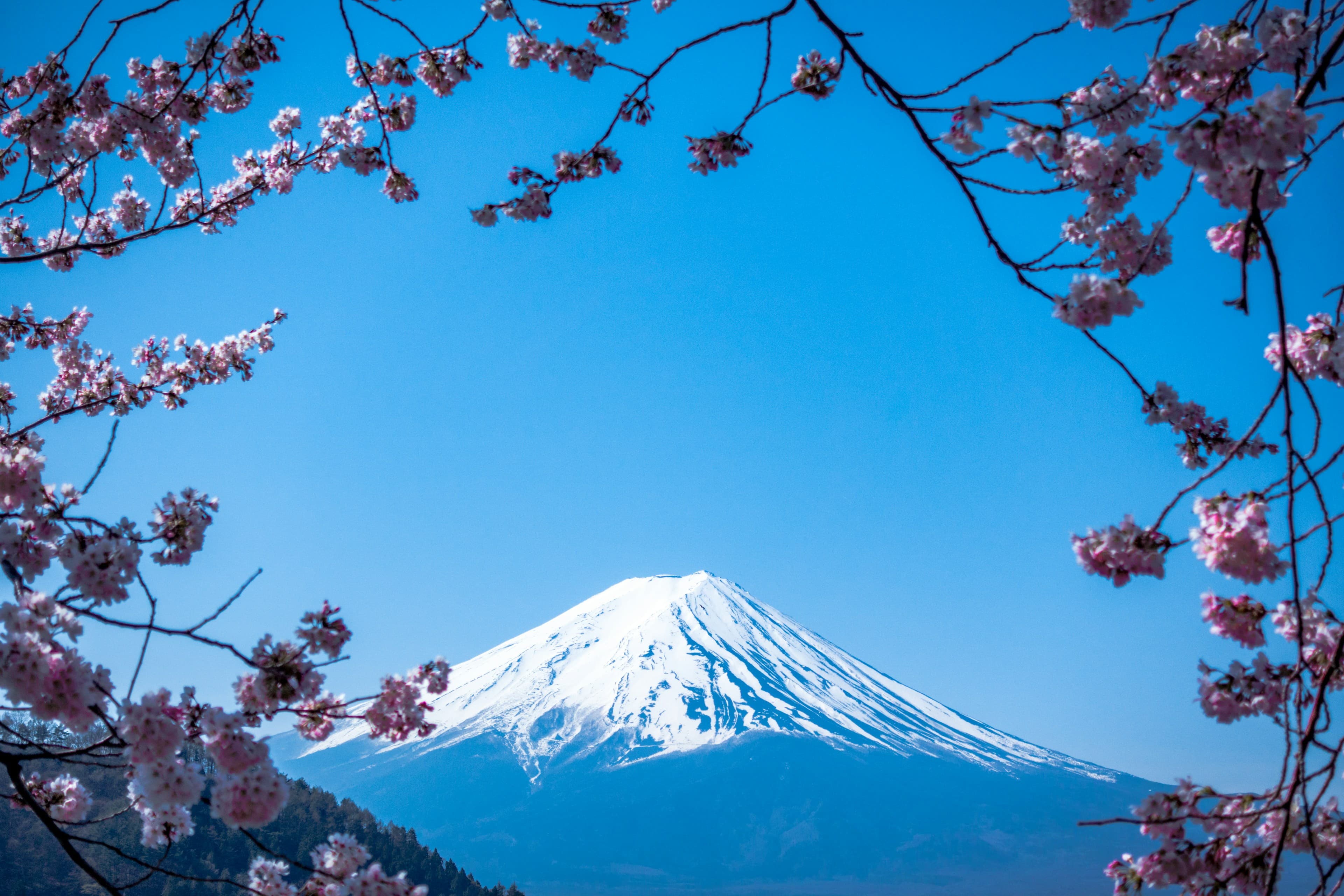
Yamanashi
Ski With Mt. Fuji