LOADING LOCATION...
Back to All Locations
Ski Area
Hakuba Valley
10 Resorts, One Valley
11m+
Avg Snowfall
-6°C
Avg Temp
10
Resorts
Ski Area Guide
About Hakuba Valley
Hakuba Valley is Japan's most expansive ski playground - 10 interconnected resorts scattered across a dramatic alpine valley where Olympic-grade steeps meet family-friendly cruisers, all linked by free shuttles and one killer pass. This is where you come when Niseko feels too crowded and expensive, but you still want legitimate powder and variety that'll keep you busy for a week.
“Refreshingly Japanese with pockets of international flavor - Tokyo families dominating weekends, serious powder hunters who've graduated from Niseko, and a surprising number of locals who still remember when this was their secret. The valley stays authentically mountain-focused rather than resort-polished, with each base area maintaining its own personality from party central Hakuba Village to sleepy Cortina.”
What Sets It Apart
Ten distinct mountains on one pass system with free shuttles connecting everything - you can literally ski a different resort every day for 10 days without repeating terrain.
Best For
- ✓Intermediate-to-advanced skiers who want variety without the Niseko price tag - you can progress from Goryu's wide groomers to Cortina's steep trees all on the same pass
- ✓Families planning 4+ day trips who want options when kids get bored - bounce between 47's terrain park, Iwatake's scenic cruisers, and Tsugaike's beginner paradise
- ✓Powder hunters who've done the Niseko thing and want to remember why they fell in love with skiing - less Instagram, more face shots
- ✓Groups with mixed abilities where everyone wants to stay happy - beginners can lap Kashimayari while experts session Happo-One's Olympic steeps
Skip If
- ✗You need English support everywhere - outside Hakuba Village and the main resorts, you're operating in Japanese
- ✗You're planning a 1-2 day ski trip - the all-mountain pass value doesn't kick in until day 3
- ✗You want buzzing European-style apres-ski and nightlife - this valley rolls up early and focuses on morning powder over evening parties
- ✗You're a pure beginner who gets overwhelmed by choices - 10 resorts sounds exciting until you're paralyzed trying to pick one
Beyond the Slopes
The Local Experience
Where to Eat
Hakuba Village delivers proper international variety with decent ramen, pizza, and even Mexican, while the outer resort areas stick to traditional Japanese fare and mountain lodge classics - don't expect Michelin stars but you won't go hungry
Onsen Culture
Multiple hot springs scattered throughout the valley including ski-to-onsen setups at Cortina and Norikura - after a powder day, there's nothing better than soaking with views of the peaks you just skied
Pro Tip
Most onsens in Hakuba Valley require removing shoes at the entrance, washing thoroughly before entering the bath, and keeping towels out of the water. Tattoos may be an issue at some traditional establishments.
After Dark
Hakuba Village has legitimate bars and late-night spots that actually stay open past 9pm, but everywhere else shuts down early - this is mountain culture, not resort partying
Apres-Ski Scene
Hakuba Valley offers everything from cozy izakayas to international bars. Most spots stay open until late, making it easy to swap powder stories over local sake or imported craft beers.
RESORT COMPARISON
Which Resort
Is For You?
The valley splits into distinct personalities: Happo-One/47/Goryu form the interconnected central cluster with variety and convenience, while Cortina/Norikura deliver the deepest powder up north, and the smaller mountains (Kashimayari, Sanosaka, Jigatake) offer empty slopes and budget-friendly vibes. Your choice depends on whether you prioritize terrain variety, powder quality, or crowd avoidance.
Our Recommendation
For a 5-day trip, base in Hakuba Village for convenience and spend your first day getting oriented at Happo-One, then progression-session at 47 before hitting Cortina for the deepest powder - save the smaller mountains like Sanosaka and Jigatake for weekend crowd-dodging.
BASE CAMP OPTIONS
Where To Stay
Hakuba Village offers the most convenience and nightlife with everything from hostels to luxury lodges, while the outer areas like Tsugaike and Cortina provide authentic mountain lodge experiences with onsen access. Your choice depends on whether you prioritize valley-wide accessibility or specific resort proximity.
Accommodation Zones
01Hakuba Village
02Echoland
03Tsugaike/Iwatake Area
04Cortina/Norikura Area
05Kashimayari/Sanosaka/Jigatake Area
Best Value Pick
Budget Smart
Tsugaike area offers genuine ski-in/ski-out lodge experiences with onsen access at half the price of Hakuba Village, plus you're perfectly positioned for the valley's best uncrowded skiing
Mid-Range Budget
Splurge Pick
Go Big
Hakuba Village delivers the full-service experience with high-end lodges that provide English support, restaurant variety, and shuttle access to all 10 resorts from your doorstep
Premium Experience
LIFT PASS INFO
Hakuba Valley Pass covers all 10 resorts with unlimited lift access plus the free shuttle system connecting everything - essential for anyone staying 3+ days who wants to explore the valley's variety
Recommended
All-Mountain Pass
10 RESORTS
Hakuba Valley Pass covers all 10 resorts with unlimited lift access plus the free shuttle system connecting everything - essential for anyone staying 3+ days who wants to explore the valley's variety
Access all resorts on one pass
Free shuttle system included
Best value for 3+ day stays
Single Resort Tickets
Makes sense for 1-2 day trips focused on one mountain, or if you're staying right at the base of Cortina or Tsugaike and don't plan to resort-hop
Only worth it for 1-2 day trips
No shuttle access between resorts
Good if staying at one base area only
Pro Tip
Buy your pass online before arrival to skip ticket office lines. Most passes can be activated at automated gates using a QR code.
Individual Resorts
Ski Resorts in Hakuba Valley
10 resorts
Quick Answers
Frequently Asked Questions
Goryu delivers the most beginner-friendly terrain with ridiculously wide groomed runs that give you room to think and practice technique. Tsugaike is another strong choice with 50% beginner slopes that don't suck, plus a gentle 5km cruise back down. Kashimayari offers a budget-conscious alternative with gentle learning terrain, affordable gondola access, and space to learn without aggressive crowds.
Learn moreCortina consistently delivers the deepest powder in the valley with forgiving tree skiing - it can be dumping there while Goryu is windblown. Sanosaka is the valley's best-kept secret with consistently untracked powder runs and eerily quiet midweeks. Mid-January through mid-February is when both resorts get absolutely dumped on.
Learn moreDirect buses from Tokyo take 4-5 hours and cost about ¥7,000, or take the shinkansen to Nagano then local transport for a faster but pricier option. The bus is the best value for most visitors and drops you right in Hakuba Village with access to the free shuttle system.
Learn moreYes - the Hakuba Valley Pass covers all 10 resorts with unlimited lift access plus the free shuttle system connecting everything. Essential for anyone staying 3+ days who wants to explore the valley's variety. Buy it online before arrival to skip ticket office lines and activate it at any resort's automated gates.
Hakuba Village offers the most convenience with restaurants, nightlife, and shuttle access to all 10 resorts from your doorstep - best for first-timers wanting options. Tsugaike area delivers genuine ski-in/ski-out lodge experiences with onsen access at half the price of Hakuba Village. Cortina and Norikura work if powder is your priority and you don't need nightlife or international dining variety.
Plan 5-7 days to properly explore the valley's variety - you've got 10 distinct resorts to sample. The Hakuba Valley Pass value kicks in at day 3, and you'll want time to hit Cortina for powder, session 47's terrain park, and discover the smaller mountains like Sanosaka and Jigatake when the main resorts get busy on weekends. A 1-2 day trip doesn't do the valley justice.
Skip New Year week and any long Japanese holidays when the main mountains get slammed - hit the smaller resorts like Sanosaka, Kashimayari, and Jigatake on weekends for empty slopes while everyone queues for Happo-One's gondola. Mid-January through mid-February and late March offer manageable crowds with legendary powder or spring sunshine respectively.
Mid-January through mid-February delivers the valley's legendary powder with manageable crowds, especially if you avoid Japanese holidays - Cortina and the northern resorts get absolutely dumped on during this window. Late March offers the sweet spot of good snow, spring sunshine, and noticeably fewer people as the season winds down.
Moderate English support - major resorts have English speakers and Hakuba Village has decent international infrastructure, but village life and smaller resorts operate mostly in Japanese. English signage exists at major resorts but staff communication is hit-or-miss - download a translation app and learn basic ski terms in Japanese before you go.
Ten distinct mountains on one pass system with free shuttles connecting everything - you can literally ski a different resort every day for 10 days without repeating terrain. This is where you come when Niseko feels too crowded and expensive, but you still want legitimate powder and variety that'll keep you busy for a week.
Continue Exploring
Other Regions
Hokkaido
The North Sector
Nagano
The Japanese Alps
Niigata
Snow Country
Tohoku
The Powder Frontier
Akita
Budget Powder Paradise
Aomori
Honshu's Deepest Powder
Fukushima
Hidden Powder Sanctuary
Gunma
Tokyo's Secret Powder Stash
Iwate
Tohoku's Powder Secret
Yamagata
Snow Monsters & Onsen
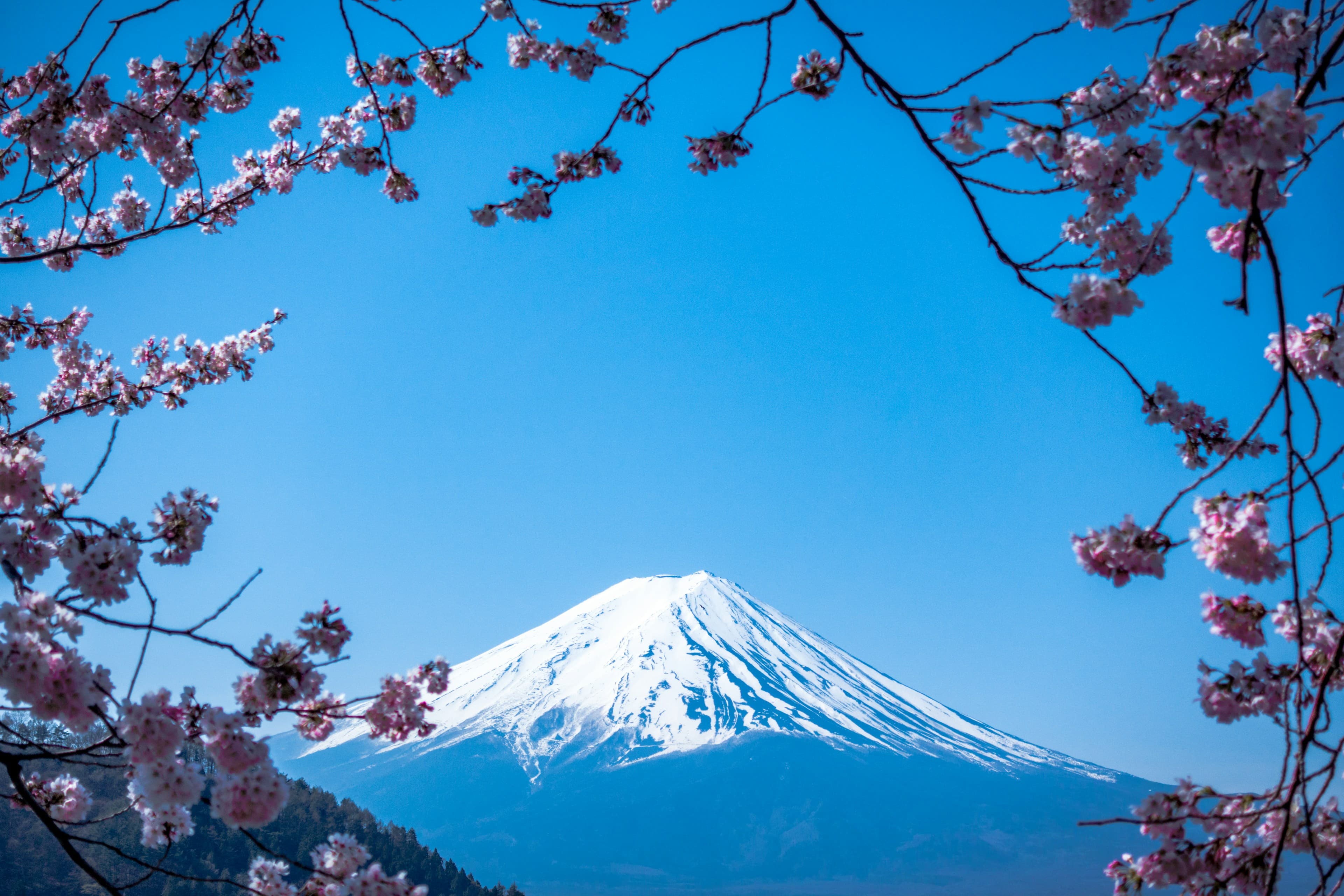
Yamanashi
Ski With Mt. Fuji