LOADING RESORTS...
Tsugaike Kogen
Nagano
4.4
1,197 reviews
Overview
Tsugaike is where Japanese families go to actually enjoy skiing instead of fighting crowds - think 50% beginner terrain that doesn't suck, genuine steeps up top, and a 5km run that'll make your legs scream in the best way. While everyone's queuing for gondolas in Hakuba proper, you're dropping into untracked powder at 1,700m wondering why you ever thought crowded meant good.
Getting There
3-3.5 hours from Tokyo via Hokuriku Shinkansen to Nagano, then direct ski bus to Tsugaike (book winter buses ahead)
Quick Facts
Season
Early December - Early May
Crowds
LOW
English
●●●●●
2/5Lifts
18
Rating
4.4/5.0
(1,197 reviews)
Lift Operations
First Chair
08:00
Last Chair
16:30
Night Ops
Night skiing extends to approximately 20:00-21:00 on select days
About This Resort
Terrain
What's the Skiing Like at Tsugaike Kogen?
156 hectares split perfectly for progression - that 50% beginner terrain includes genuinely wide, confidence-building slopes, not just glorified catwalks. The upper mountain at Tsuga no Mori delivers legitimate steeps and the terrain park that stays open until May. At 904m vertical, you're getting proper mountain skiing, not hill runs.
The Onsen Experience
Multiple hotel-based onsen at base area, not a dedicated onsen town
Vibe Check
What's the Atmosphere Like?
Refreshingly Japanese - families teaching kids on weekends, respectfully quiet lift lines, and zero English unless you really need it. The base area feels more like a functional ski village than a resort theme park. Midweek it's practically empty; weekends bring cheerful chaos but nothing like the international circus elsewhere in Hakuba Valley.
"Of the few ski resorts I've been to in Japan, i feel this is the best. With many slopes and ski lifts, you'll not be bored skiing or snowboarding there for a few days."
— Google Review
Best For
Who Should Ski Tsugaike Kogen?
- ✓Families who want genuine ski-in/ski-out without the Niseko price tag or international chaos
- ✓Intermediates ready to progress on terrain that challenges without terrorizing - those upper slopes will teach you things
- ✓Powder hunters who've realized that empty slopes beat famous slopes every single time
Skip If
Who Might Want to Skip Tsugaike Kogen?
- ✗Your Japanese extends to 'arigato' and you panic without English menus everywhere
- ✗You need serious nightlife - this village goes quiet after dinner
- ✗You're chasing extreme terrain - the steeps here are fun, not spine-chilling
Real Reviews
What Visitors Say
✓ The Good
- ✓Genuinely uncrowded even during peak season with lift lines that actually move
- ✓Exceptional beginner terrain that's wide and forgiving, perfect for families
- ✓Consistently good snow quality and coverage from December through spring
⚠ Heads Up
- ⚠Lower slopes turn to slush by noon on warm spring days
- ⚠Limited English support outside basic ski services
- ⚠Base facilities are functional rather than luxurious
Timing
When's the Best Time to Visit?
Mid-January through February for peak powder - the high elevation means consistent quality even when other resorts are dealing with rain. Weekdays are your secret weapon for empty slopes, and avoid New Year week unless you enjoy lift lines longer than the actual runs.
Watch Out
Mistakes to Avoid
- Not checking the beginner pass option - it's significantly cheaper and you can always upgrade if you want the full mountain
- Expecting extensive English signage and staff - bring a translation app or basic Japanese phrases
- Planning elaborate apres-ski activities - this is early-to-bed, early-to-rise ski culture
Pro Tips
Insider Tips
- Hit the upper mountain first thing - while families are still getting organized at the base, you'll have first tracks on powder that holds all day
- The beginner lift pass is legitimately cheaper if you're teaching kids or just want mellow days - you can upgrade online for less than buying full price
- Avoid the main base restaurant completely - walk 5 minutes to any of the local spots in the village for better food at half the price
Off the Mountain
Food & Après-Ski
Dining
Standard Japanese ski resort fare at the base - curry, ramen, katsu - nothing spectacular but fills the tank. The real move is walking into Otari village for authentic local spots that don't cater to tourists.
Nightlife
Limited - this is a ski village, not a party town. A few quiet bars and hotel lounges, but most folks are in bed early for first chair.
Location
Stats
Peak Elevation
1704m
Vertical Drop
904m
Skiable Area
156ha
(385ac)
Total Runs
10
Terrain Distribution
50%
Grn
30%
Red
20%
Blk
Features
- Equipment Rental
- Terrain Park
- Backcountry Gates
- Tree Runs
- Gondola
- Night Skiing
- Cross-Country Trails
Other Tsugaike Resorts
Same ski pass, different terrain
Frequently Asked Questions
Tsugaike Kogen delivers proper mountain skiing with 904m of vertical across 156 hectares, and it's refreshingly uncrowded even during peak season. The 1,704m peak elevation means consistent powder quality when lower resorts are dealing with rain, plus that genuine 5km run will test your legs in the best way. While everyone queues elsewhere in Hakuba Valley, you're dropping into untracked powder wondering why crowded ever meant good.
Learn moreAbsolutely - 50% of the terrain is dedicated to beginners, featuring genuinely wide, confidence-building slopes rather than glorified catwalks. Families choose Tsugaike specifically for this exceptional beginner terrain, and there's even a cheaper beginner lift pass option that you can upgrade online if needed. The terrain is perfect for progression without the intimidation factor.
Learn moreTake the Hokuriku Shinkansen from Tokyo to Nagano, then catch a direct ski bus to Tsugaike - total journey is 3-3.5 hours. Book the winter buses ahead as they fill up during peak season. This is one of the more accessible resorts in Hakuba Valley once you reach Nagano.
Learn moreMid-January through February delivers peak powder conditions, and the high elevation at 1,704m means consistent quality even when other resorts face rain. Weekdays are your secret weapon for empty slopes, while New Year week should be avoided entirely unless you enjoy lift lines longer than the actual runs. The resort even stays open until Golden Week in May thanks to that elevation advantage.
Yes - there are multiple hotel-based onsen facilities at the base area where you can soak after skiing. This isn't a dedicated onsen town like Nozawa, but the convenience of hotel onsen access right at the base gives you that essential post-ski soak without traveling.
Limited English - basic signs and ticket counters will have some English, but don't expect much beyond that. This is refreshingly Japanese with zero English unless you really need it, so bring a translation app or brush up on basic Japanese phrases. The village operates more for domestic visitors than international tourists.
Rarely crowded - lift lines actually move even during peak season, and midweek it's practically empty. Weekends bring cheerful chaos between 10am-2pm but nothing like the international circus elsewhere in Hakuba Valley. This is where Japanese families go to actually enjoy skiing instead of fighting crowds.
The elevation advantage at 1,704m means Tsugaike holds powder when lower resorts are dealing with rain, and the terrain park stays open until Golden Week when everyone else has closed shop. You're getting legitimate mountain skiing with proper vertical that's genuinely uncrowded - empty slopes beat famous slopes every single time.
Yes - night skiing extends operations to approximately 20:00-21:00 on select days, well beyond the standard 16:30 last lift time. This gives you extra hours to maximize your ski day, though the schedule varies so check ahead for specific dates.
Check the beginner pass option first - it's significantly cheaper and you can upgrade online for less than buying full price if you want the full mountain. Skip the main base restaurant completely and walk 5 minutes to local village spots for better food at half the price. Don't plan elaborate apres-ski activities - this is early-to-bed, early-to-rise ski culture, not a party resort.
Quick Facts
Season
Early December - Early May
Crowds
LOW
English
●●●●●
2/5Lifts
18
Rating
4.4/5.0
(1,197 reviews)
Lift Operations
First Chair
08:00
Last Chair
16:30
Night Ops
Night skiing extends to approximately 20:00-21:00 on select days
More in Nagano
23 other resorts nearby
Continue Exploring
Other Regions
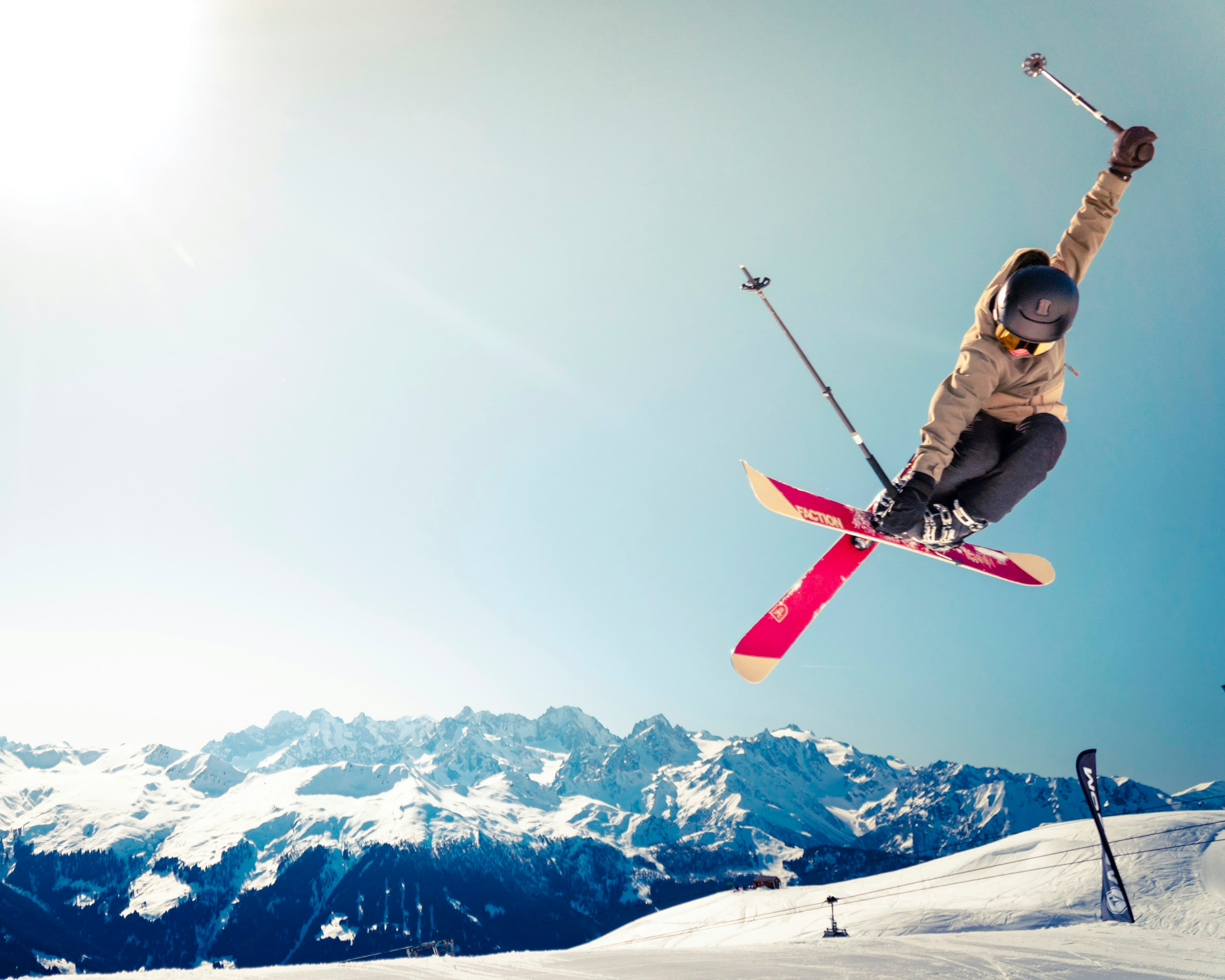
Hokkaido
The North Sector
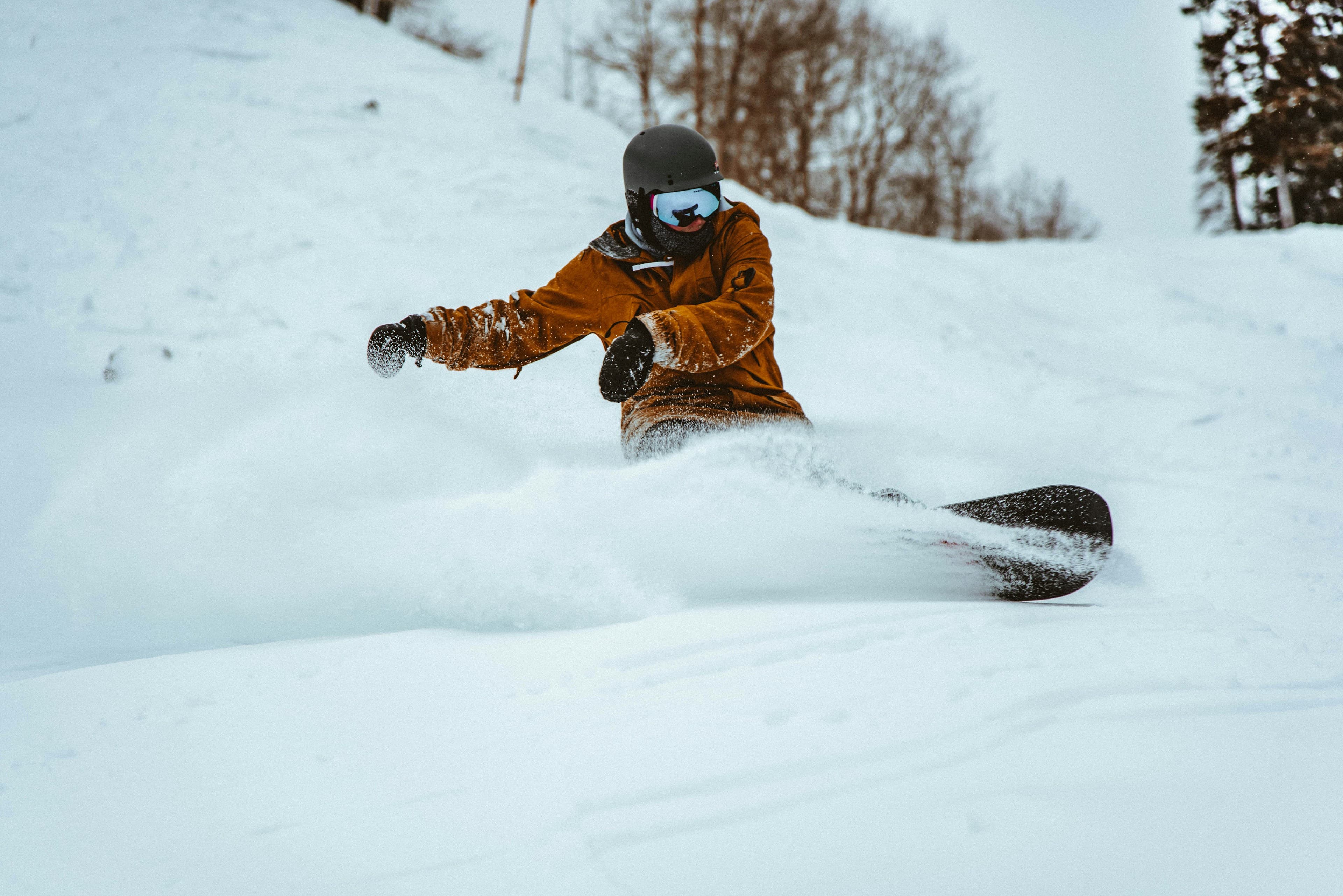
Nagano
The Japanese Alps
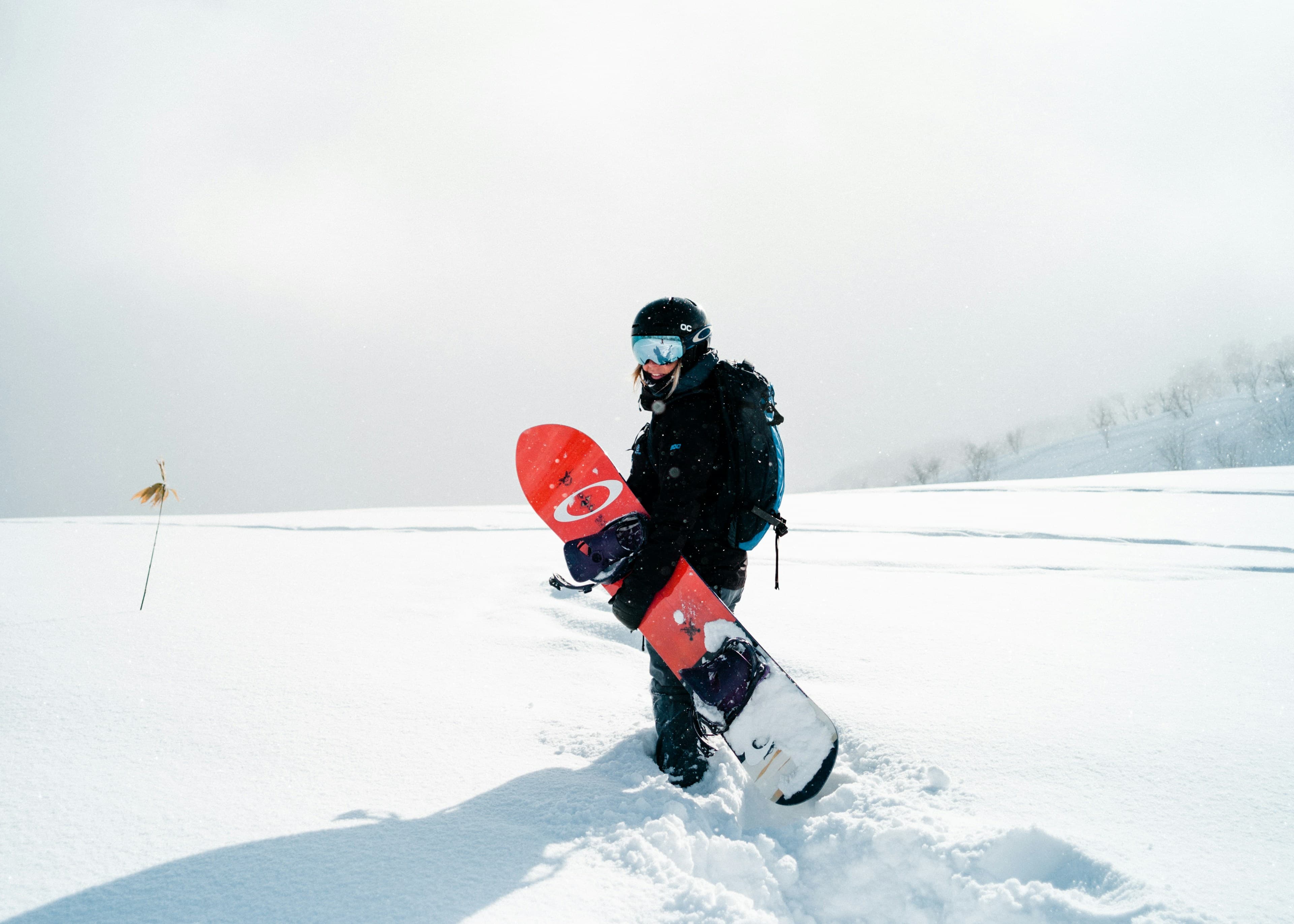
Niigata
Snow Country
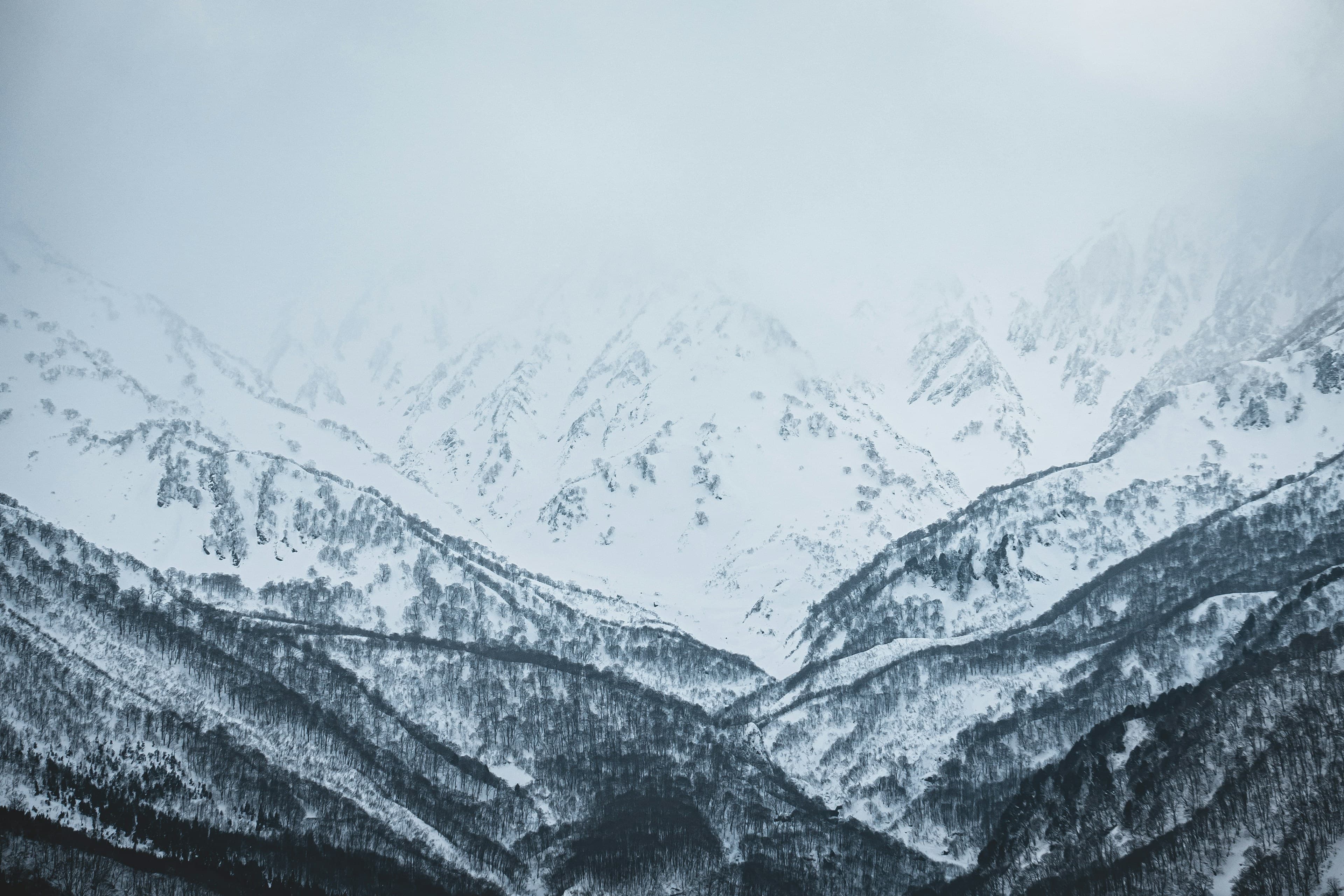
Tohoku
The Powder Frontier
Akita
Budget Powder Paradise
Aomori
Honshu's Deepest Powder
Fukushima
Hidden Powder Sanctuary
Gunma
Tokyo's Secret Powder Stash
Iwate
Tohoku's Powder Secret
Yamagata
Snow Monsters & Onsen
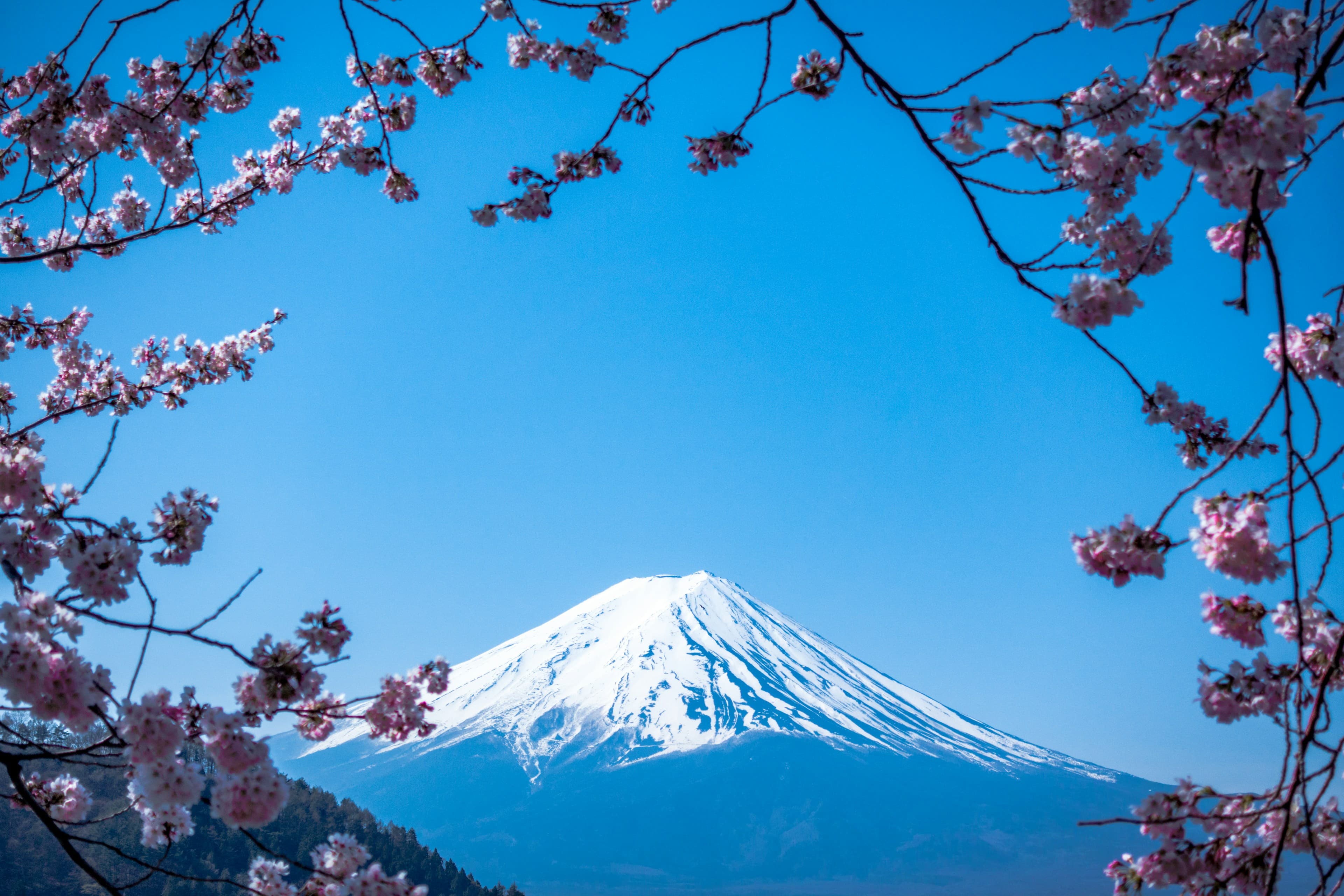
Yamanashi
Ski With Mt. Fuji