LOADING RESORTS...
Togari Onsen
Nagano
4.1
877 reviews
Overview
Togari is the quiet kid in class who's actually a powder savant - sitting 15 minutes from Nozawa Onsen without any of the crowds or Instagram chaos. While everyone's stuck in Nozawa's gondola lines, you're dropping into legitimate ungroomed tree runs and soaking in a proper onsen village that hasn't sold its soul to tourism.
Getting There
1 hour 40 minutes from Tokyo via Hokuriku Shinkansen to Iiyama, then 20-30 minutes by local bus or taxi to resort
Quick Facts
Season
Late December - Late March
Crowds
LOW
English
●●●●●
2/5Lifts
4
Rating
4.1/5.0
(877 reviews)
Lift Operations
First Chair
08:30
Last Chair
16:30
Night Ops
Night skiing available, but exact hours not specified
About This Resort
Terrain
What's the Skiing Like at Togari Onsen Ski Resort?
16 runs across 140 hectares that punch way above their weight - the 40/40/20 split looks tame on paper, but the advanced terrain includes genuine tree skiing and deliberately ungroomed steeps that most resorts would fence off. The 650m vertical gives you proper leg-burners, and at 1,050m the snow stays cold when lower resorts turn to slush.
The Onsen Experience
Small onsen village integrated with ski area, multiple ryokan and public baths
Vibe Check
What's the Atmosphere Like?
This is where Japanese powder hunters go when they're tired of playing tourist. Weekdays feel like a private mountain, weekends bring local families, and the vibe is refreshingly analog - manual chairlift tickets, no English menus, just pure skiing without the production. The onsen village at the base feels frozen in time, in the best possible way.
"If you want a ski field for skill improvement, Togari is a right place (most drills can be performed in this ski resort) However Togari is much cheaper than Nozawa Onsen Ski Resort (about 15 minutes drive)"
— Google Review
Best For
Who Should Ski Togari Onsen Ski Resort?
- ✓Intermediate skiers ready to graduate from groomed runs to actual tree skiing without the Niseko price tag
- ✓Powder hunters who want uncrowded slopes and couldn't care less about English menus or Australian bartenders
- ✓Anyone seeking authentic Japan ski experience - traditional onsen village, local families, zero tourism theater
Skip If
Who Might Want to Skip Togari Onsen Ski Resort?
- ✗You need extensive English support and panic without translated signs everywhere
- ✗You're chasing serious double black steeps - the advanced terrain is fun but not heart-stopping
- ✗You want nightlife beyond soaking in hot springs and early bedtimes
Real Reviews
What Visitors Say
✓ The Good
- ✓Genuine powder snow that stays soft and untracked longer than nearby resorts
- ✓Significantly cheaper lift tickets and food compared to famous neighbors
- ✓Manual chairlift system and traditional feel that's refreshingly uncommercialized
⚠ Heads Up
- ⚠Very limited English signage and staff - you're navigating mostly in Japanese
- ⚠Narrow green slopes that aren't ideal for true beginners learning to pizza wedge
- ⚠Small resort that can be fully explored in 1.5 days according to dedicated skiers
Timing
When's the Best Time to Visit?
Mid-January to mid-February delivers the deepest, driest powder with February typically seeing the heaviest snowfall. Avoid New Year week when even this sleepy resort gets busy with domestic visitors - weekdays in January are virtually private mountain territory.
Watch Out
Mistakes to Avoid
- Expecting English support beyond basic pointing and gesturing - bring a translation app or brush up on ski Japanese
- Underestimating how quickly you can ski the whole mountain - it's quality over quantity here, perfect for 2-day trips
- Arriving late in the day for rentals and finding limited sizes available - this isn't a mega-resort with endless backup inventory
Pro Tips
Insider Tips
- Hit the tree runs in Tonpei area first thing - they're left ungroomed intentionally and hold powder for days after storms
- The resort is significantly cheaper than Nozawa Onsen just down the road - save 30-40% on lift tickets for comparable terrain quality
- Don't expect the rental shop to have your size in the afternoon - this isn't Niseko with infinite backup gear, so arrive early or book ahead
Off the Mountain
Food & Après-Ski
Dining
Two main restaurants - one at base, one near the top - serving affordable, traditional ski lodge fare. Don't expect gourmet, but the prices won't shock you and portions are generous. Limited dining in the village itself, but what's there is authentic.
Nightlife
Limited - this is an onsen village that rolls up early. The action is soaking in traditional hot springs after skiing, not bar hopping.
Location
Stats
Peak Elevation
1050m
Vertical Drop
650m
Skiable Area
140ha
(346ac)
Total Runs
16
Terrain Distribution
40%
Grn
40%
Red
20%
Blk
Features
- Terrain Park
- Night Skiing
- Tree Runs
- Equipment Rental
Frequently Asked Questions
Togari delivers legitimate powder skiing without the crowds - 16 runs across 140 hectares with genuine tree skiing and deliberately ungroomed steeps that most resorts would fence off. The 650m vertical gives you proper leg-burners, and at 1,050m peak elevation the snow stays cold and dry when lower resorts turn to slush. Best of all, it's 15 minutes from Nozawa Onsen but costs 30-40% less with zero international crowds clogging the lift lines.
Learn moreTogari has 40% beginner terrain, but reviewers note the green slopes are narrow and not ideal for true beginners learning to pizza wedge. This resort shines for intermediates ready to graduate into tree skiing and ungroomed powder - if you're still mastering your first turns, you'll find better learning terrain elsewhere. Think of it as a skill-building mountain for confident beginners moving to the next level, not a first-timer's playground.
Learn moreTake the Hokuriku Shinkansen from Tokyo to Iiyama Station (1 hour 40 minutes), then catch a local bus or taxi for the final 20-30 minutes to the resort. Total journey is around 2 hours door-to-door. The resort is just 15 minutes from Nozawa Onsen, so transportation options are similar but with less frequent bus service.
Learn moreMid-January to mid-February delivers the deepest, driest powder, with February typically seeing the heaviest snowfall. Avoid New Year week when even this sleepy resort gets busy with domestic visitors - weekdays in January are virtually private mountain territory. The high elevation keeps snow quality excellent through mid-February when lower resorts start getting slushy.
Yes - Togari has a small traditional onsen village integrated right at the ski area base with multiple ryokan and public baths. The village feels frozen in time with that authentic Japan vibe, perfect for soaking tired legs after hitting the tree runs. Unlike touristy onsen towns, this one hasn't sold its soul to Instagram - it's the real deal.
English support is limited - basic signs and ticket counters exist, but don't expect much beyond pointing and gesturing. This isn't Niseko with Australian bartenders and translated menus everywhere - you're navigating mostly in Japanese. Bring a translation app or brush up on basic ski Japanese if you panic without English support.
Togari is rarely crowded - weekdays feel like a private mountain, and even weekend mornings (9am-11am) only bring local families, not massive lift lines. This is where Japanese powder hunters go when they're tired of playing tourist at famous resorts. The vibe is refreshingly low-key with manual chairlift tickets and zero tourism theater.
Legitimate tree skiing and powder stashes sit just 15 minutes from one of Japan's most famous resorts, but with zero international crowds and prices that won't make you weep. The tree runs in the Tonpei area are deliberately left ungroomed and hold powder for days after storms. You get authentic Japan ski experience - traditional onsen village, local families, and pure skiing without the production.
Yes, Togari offers night skiing as one of its facilities. The resort operates from 8:30am to 4:30pm for day skiing, with night skiing available though exact evening hours aren't widely published. This gives you extra lap opportunities after the already-thin crowds clear out.
Yes - Togari offers legitimate in-bounds tree skiing in the Tonpei area, deliberately left ungroomed for powder skiing. The advanced terrain includes beautiful tree run courses with steep, uncompacted snow that hold fresh tracks for days after storms while everyone else is stuck in Nozawa's lift lines. Hit these first thing in the morning for the best powder stashes.
Quick Facts
Season
Late December - Late March
Crowds
LOW
English
●●●●●
2/5Lifts
4
Rating
4.1/5.0
(877 reviews)
Lift Operations
First Chair
08:30
Last Chair
16:30
Night Ops
Night skiing available, but exact hours not specified
More in Nagano
32 other resorts nearby
Continue Exploring
Other Regions
Hokkaido
The North Sector
Nagano
The Japanese Alps
Niigata
Snow Country
Tohoku
The Powder Frontier
Akita
Budget Powder Paradise
Aomori
Honshu's Deepest Powder
Fukushima
Hidden Powder Sanctuary
Gunma
Tokyo's Secret Powder Stash
Iwate
Tohoku's Powder Secret
Yamagata
Snow Monsters & Onsen
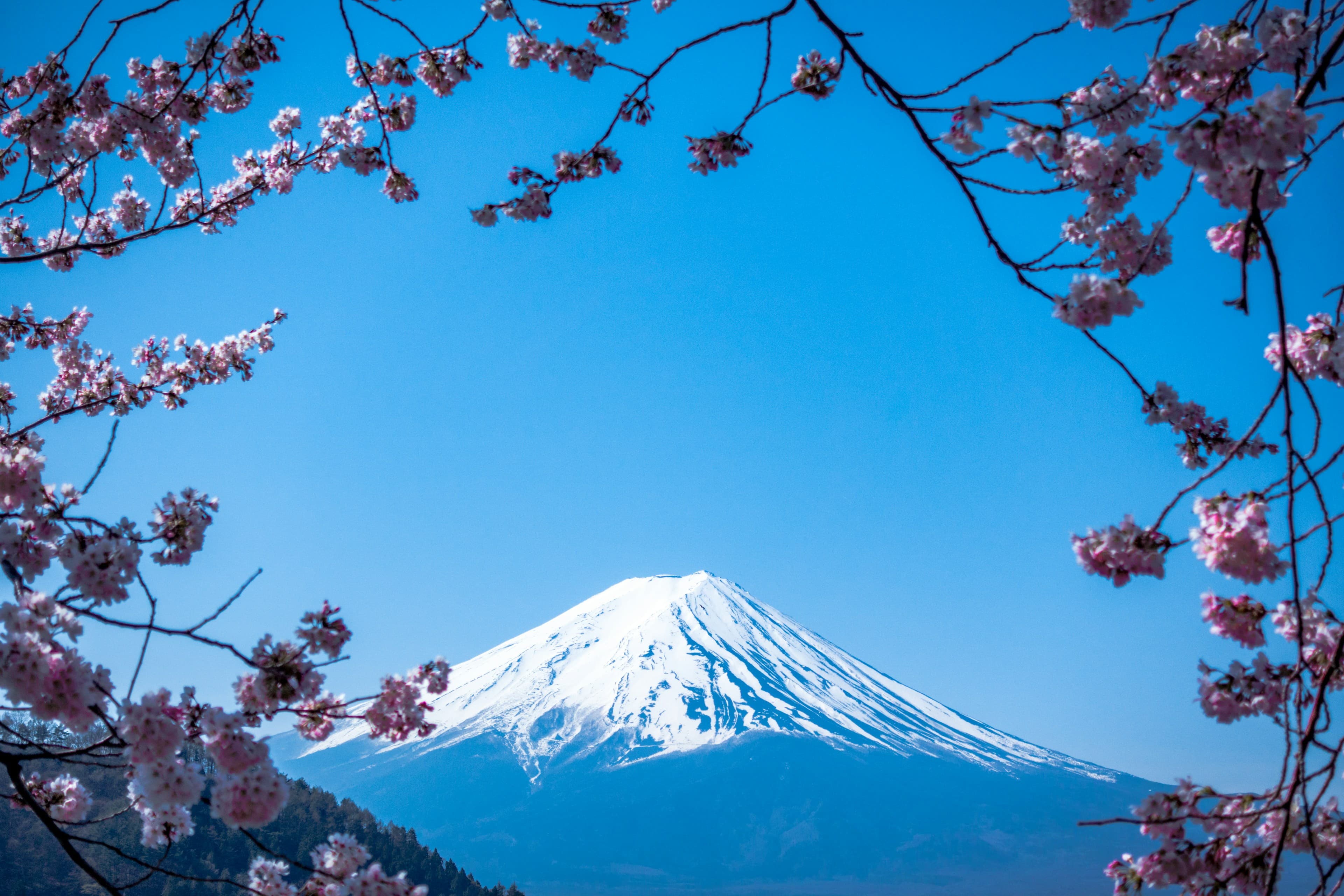
Yamanashi
Ski With Mt. Fuji