LOADING LOCATION...
Back to All Locations
Ski Area
Myoko Kogen
Five mountains. Fourteen meters of snow. Zero lift lines.
14m+
Avg Snowfall
-6°C
Avg Temp
5
Resorts
Ski Area Guide
About Myoko Kogen
Myoko Kogen is where Japanese powder culture survives in its purest form - five separate mountains sharing 14+ meters of annual snowfall without the lift lines or Instagram chaos. This is Hokkaido-quality snow just 2.5 hours from Tokyo, where you'll ski untracked trees on a Tuesday and soak in 300-year-old onsen baths by 4pm.
“This is where Japanese families and serious powder hunters coexist beautifully - Tokyo weekenders who know the secret, Aussie instructors on their days off, and locals who've been skiing these mountains since the 1930s. English is limited but snow quality is universal, and the post-ski onsen ritual is built into every resort's DNA.”
What Sets It Apart
Five mountains. Fourteen meters of snow. Zero lift lines.
Best For
- ✓Powder hunters who've done Niseko and want to remember what skiing felt like before tour groups took over
- ✓Tokyo-based skiers seeking maximum snow with minimum travel time - 2.5 hours door to powder
- ✓Intermediate skiers ready to graduate from groomed runs to real tree skiing in a supportive environment
- ✓Anyone seeking the full Japan experience - ski hard, soak in centuries-old baths, eat exceptional local food
Skip If
- ✗Your Japanese stops at 'arigato' and you panic without English menus and resort staff guidance
- ✗You need challenging double-black steeps to feel alive - the terrain here is fun, not terrifying
- ✗You want ski-in/ski-out convenience across multiple mountains - these are five separate drives apart
- ✗You prefer modern resort amenities and polished tourist infrastructure over authentic local culture
Beyond the Slopes
The Local Experience
Where to Eat
Akakura Onsen offers the best variety with traditional izakaya, ramen shops, and ryokan kaiseki dinners, while each resort area has limited but authentic local options - expect to point at menus and discover hidden gems.
Onsen Culture
Every resort area has authentic hot springs, from Akakura's 300-year-old village baths to Seki's tiny mountain hamlet onsen - this is where the real magic happens after last chair, often with mountain views while you soak.
Pro Tip
Most onsens in Myoko Kogen require removing shoes at the entrance, washing thoroughly before entering the bath, and keeping towels out of the water. Tattoos may be an issue at some traditional establishments.
After Dark
This is early-bedtime Japan - a few cozy bars in Akakura Onsen village, then straight to the onsen for the real après-ski experience that's been the ritual for centuries.
Apres-Ski Scene
Myoko Kogen offers everything from cozy izakayas to international bars. Most spots stay open until late, making it easy to swap powder stories over local sake or imported craft beers.
RESORT COMPARISON
Which Resort
Is For You?
These five mountains offer completely different experiences despite sharing the same storm cycles - from Suginohara's 8.5km cruise runs to Seki's punk-rock powder culture to Arai's sanctioned backcountry zones. Choose based on your terrain preferences and comfort level with old-school Japan.
Our Recommendation
For a 5-day trip, base in Akakura Onsen village and spend your first day at Akakura Kanko to get oriented, hit Suginohara on clear days for the long runs, save Arai for powder days when the freeride zones are firing, and only venture to Seki if you're comfortable with aggressive terrain and zero hand-holding.
BASE CAMP OPTIONS
Where To Stay
Akakura Onsen village offers the best balance of ski access, dining options, and traditional onsen culture, while slopeside options at each resort cater to different vibes - from luxury mountain hotels to rustic powder lodges. Most international visitors base in Akakura and drive to other mountains.
Accommodation Zones
01Akakura Onsen Village
02Akakura Kanko Hotel Area
03Myoko Suginohara Base
04Lotte Arai Resort
05Seki Onsen Village
Best Value Pick
Budget Smart
Akakura Onsen village ryokan and pensions offer traditional accommodations with onsen access, walking distance to two ski areas, and the region's best restaurant selection at reasonable prices
Mid-Range Budget
Splurge Pick
Go Big
Akakura Kanko Hotel provides 1950s mountain elegance with mid-mountain location, ski-in/ski-out access, and an iconic onsen overlooking the entire Myoko range
Premium Experience
LIFT PASS INFO
No unified Myoko Pass exists for public purchase - despite marketing mentions, each of the five resorts sells separate lift tickets with no interconnection between mountains
Recommended
All-Mountain Pass
5 RESORTS
No unified Myoko Pass exists for public purchase - despite marketing mentions, each of the five resorts sells separate lift tickets with no interconnection between mountains
Access all resorts on one pass
Free shuttle system included
Best value for 3+ day stays
Single Resort Tickets
Single-resort tickets are your only option and make perfect sense since you'll drive between mountains anyway - buy tickets at whichever resort matches the day's snow conditions and your terrain goals
Only worth it for 1-2 day trips
No shuttle access between resorts
Good if staying at one base area only
Pro Tip
Buy your pass online before arrival to skip ticket office lines. Most passes can be activated at automated gates using a QR code.
Individual Resorts
Ski Resorts in Myoko Kogen
5 resorts
Quick Answers
Frequently Asked Questions
Akakura Onsen delivers the most approachable experience for first-time Myoko visitors with mixed groomers and a relaxed village atmosphere where you can progress into tree skiing gradually. Akakura Kanko is another solid choice with 800 meters of vertical featuring long groomed runs and excellent off-piste progression options, plus luxury mountain hotel convenience. Both offer traditional onsen culture and more forgiving terrain than the aggressive expert zones at Seki or Arai.
Lotte Arai wins with 18 meters of annual snowfall and 84% off-piste terrain spread across ten designated freeride zones - it's built specifically for serious powder skiing. Seki Onsen delivers equally deep snow (14 meters annually) with stupidly good tree skiing, but requires expert skills and comfort with zero English support. All five mountains share the same legendary storm cycles though, so you're getting Hokkaido-quality powder everywhere without the crowds.
Take the Joetsu Shinkansen from Tokyo to Joetsu-Myoko Station, then local transport to Akakura - total 2.5 hours door to powder and fully JR Pass friendly. This is Hokkaido-quality snow with half the travel time, making it ideal for Tokyo-based skiers seeking maximum snow with minimum commute. Rent a car at the station if you want to properly sample all five mountains since the shuttle system is unreliable.
Learn moreNo - despite marketing mentions, no unified Myoko Pass exists for public purchase, so you'll buy separate lift tickets at each of the five resorts. This actually makes perfect sense since these are separate mountains requiring 15-45 minute drives between them anyway. Buy tickets at whichever resort matches the day's snow conditions and your terrain goals rather than hunting for a mythical multi-mountain pass.
Akakura Onsen village offers the best balance with traditional ryokan and pensions featuring onsen access, walking distance to two ski areas, and the region's best restaurant selection at reasonable prices. Most international visitors base here and drive to the other three mountains for variety. For luxury slopeside convenience, Akakura Kanko Hotel delivers 1950s mountain elegance with ski-in/ski-out access and an iconic onsen overlooking the entire Myoko range.
Plan 5 days to properly experience the area's five distinct mountains - spend your first day at Akakura Kanko to get oriented, hit Suginohara on clear days for Japan's longest runs, save Arai for powder days when the freeride zones are firing, and venture to Seki only if you're comfortable with aggressive terrain. Three days minimum if you just want to sample the highlights and soak in onsen culture between sessions.
January through February delivers the deepest and most consistent powder from Myoko's legendary 14-16 meter average snowfall, with storm cycles dumping over a meter in 24 hours. Weekdays in late January hit the sweet spot of fresh snow without Japanese school holiday crowds. Skip New Year's week and Chinese New Year entirely if you want powder without people.
English support is minimal throughout - this is traditional Japan with limited English menus, resort staff, and village services. Download Google Translate with camera function since pointing at menus and onsen etiquette signs becomes part of the authentic experience here. If you panic without English guidance and need hand-holding, this probably isn't your mountain - the snow quality is universal even when the language isn't.
Five mountains. Fourteen meters of snow. Zero lift lines. This is where Hokkaido-quality powder survives just 2.5 hours from Tokyo without the Instagram chaos that took over Niseko, where you'll ski untracked trees on a Tuesday and soak in 300-year-old onsen baths by 4pm.
Don't assume there's a unified lift pass system - each mountain sells separate tickets with no interconnection between resorts. Avoid staying at one resort expecting easy access to others since these are separate mountains requiring 15-45 minute drives. Most critically, don't underestimate the language barrier - this is traditional Japan with minimal English support, so come prepared with translation apps and patience for the authentic experience.
Continue Exploring
Other Regions
Hokkaido
The North Sector
Nagano
The Japanese Alps
Niigata
Snow Country
Tohoku
The Powder Frontier
Akita
Budget Powder Paradise
Aomori
Honshu's Deepest Powder
Fukushima
Hidden Powder Sanctuary
Gunma
Tokyo's Secret Powder Stash
Iwate
Tohoku's Powder Secret
Yamagata
Snow Monsters & Onsen
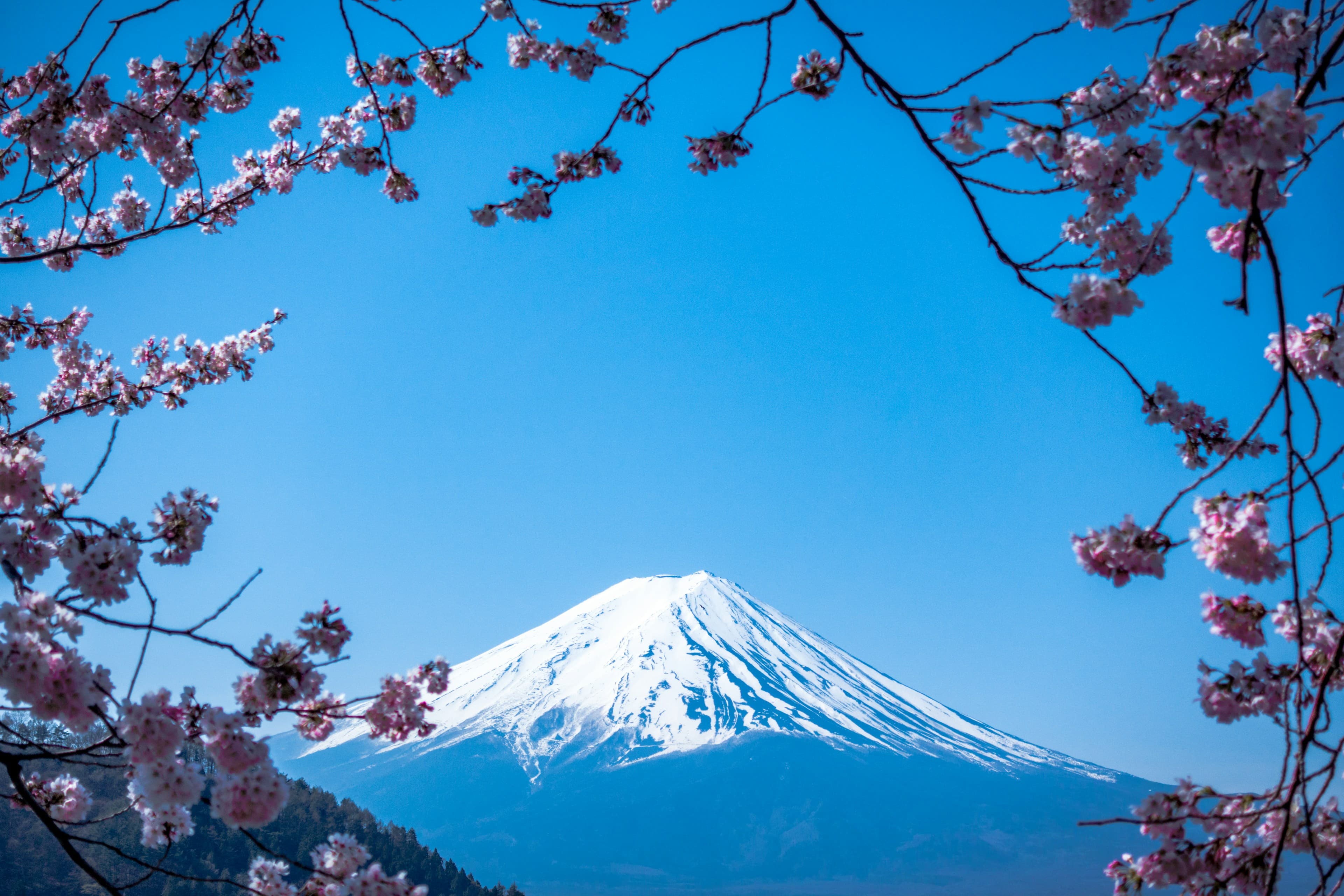
Yamanashi
Ski With Mt. Fuji