LOADING RESORTS...
Seki Onsen
Niigata
4.3
231 reviews
Overview
Seki is where Myoko locals go when they want to remember why they fell in love with skiing - just two ancient chairlifts, four runs, and 14 meters of annual powder with zero crowds to track it out. This is the antithesis of modern resort skiing: no English, no amenities, no hand-holding, just stupidly deep tree skiing in a hot spring village that's been around since before anyone thought to strap on skis.
Getting There
2.5-3 hours from Tokyo via Hokuriku Shinkansen to Joetsu-Myoko, then 30-60 minutes by local train and taxi - most visitors base in Myoko-Kogen and drive over
Quick Facts
Season
Late December - Early May
Crowds
LOW
English
●●●●●
1/5Lifts
2
Rating
4.3/5.0
(231 reviews)
About This Resort
Terrain
What's the Skiing Like at Seki Onsen Ski Area?
Four official runs across 310m of vertical, but the real terrain is in the trees - steep, ungroomed sidecountry that holds powder for days after storms. The northeast aspect keeps snow cold and dry despite the low elevation, and with most skiers sticking to the groomed stuff, you'll find untouched lines hours after everyone else has given up. It's not big, but when there's fresh snow, size doesn't matter.
The Onsen Experience
Historic hot-spring village with multiple ryokan baths within walking distance of lifts, featuring iron-rich waters and traditional wooden bathhouses
Vibe Check
What's the Atmosphere Like?
Pure punk rock ski culture - no frills, no fuss, just locals and the occasional gaijin who stumbled onto something magical. The vibe is 'ski at your own risk and have fun doing it' with zero patrol presence and an honor system that works because everyone here actually knows how to ski. After last chair, the whole hill empties into centuries-old onsen baths in the village below.
"Epic powder heaven. Not for beginners. Be ready to hike and self rescue."
— Google Review
Best For
Who Should Ski Seki Onsen Ski Area?
- ✓Expert skiers who get claustrophobic in lift lines and orgasmic in untracked trees
- ✓Powder hunters who've done the Niseko thing and want to remember what skiing felt like before Instagram
- ✓Adventure seekers who speak enough Japanese to handle 'ski patrol will not hold your hand' situations
Skip If
Who Might Want to Skip Seki Onsen Ski Area?
- ✗Your Japanese is limited to 'arigato' and you panic without English signs everywhere
- ✗You need groomed runs and modern lifts to have a good time - this place is aggressively old school
- ✗You're bringing beginners or intermediates who aren't ready for steep, unforgiving terrain
Real Reviews
What Visitors Say
✓ The Good
- ✓Incredible steep tree skiing with deep, untracked powder that holds for days
- ✓Dirt cheap lift tickets and zero crowds compared to mainstream Myoko resorts
- ✓Authentic punk rock ski culture with no hand-holding - pure adventure skiing
⚠ Heads Up
- ⚠Zero English support and minimal base facilities - bring everything you need
- ⚠Only viable on big powder days - low snow days leave you with very limited terrain
- ⚠Requires advanced skiing ability and self-rescue capability in unpatrolled areas
Timing
When's the Best Time to Visit?
Mid-January to late February when Seki's legendary microclimate delivers the goods - this place only makes sense on big powder days. Weekdays are essential since the limited terrain gets tracked fast, and honestly, if there hasn't been 50cm overnight, just stay in bed.
Watch Out
Mistakes to Avoid
- Visiting on low snow days thinking the groomed runs will be enough - they won't
- Expecting any English support or base amenities - this is full Japanese immersion skiing
- Bringing anyone who isn't an advanced skier comfortable with unpatrolled terrain
Pro Tips
Insider Tips
- Skip the resort entirely unless there's been 50cm+ overnight - on low snow days, you'll track out the entire mountain by lunch
- Lift tickets are dirt cheap but there's basically no base facilities - bring your own food and drinks or you'll be hangry by noon
- The onsen in the village below is where the real magic happens - that post-ski soak in iron-rich waters is better than any mountain restaurant experience
Off the Mountain
Food & Après-Ski
Dining
Essentially nonexistent on-mountain - this is a bring-your-own-lunch operation. The historic onsen village below has traditional ryokan dining, but don't expect convenience store accessibility.
Nightlife
None - the village rolls up completely after the lifts close, with action limited to soaking in hot springs and traditional ryokan dining if you're staying overnight.
Location
Stats
Peak Elevation
1210m
Vertical Drop
310m
Total Runs
4
Terrain Distribution
20%
Grn
50%
Red
30%
Blk
Features
- Tree Runs
- Equipment Rental
Other Seki Resorts
Same ski pass, different terrain
Frequently Asked Questions
Seki Onsen is exceptional for advanced skiers chasing deep powder - it receives 14 meters of annual snowfall and features steep tree skiing that holds untracked lines for days after storms. With just 2 lifts, 4 runs, and zero crowds, this is bare-bones powder heaven for experts who can handle unpatrolled terrain. Skip it unless there's been 50cm+ overnight, but when it dumps, this is where Myoko locals go to escape the masses.
Learn moreNo - Seki Onsen is explicitly not beginner-friendly. While 20% of terrain is marked beginner, the real draw is steep, ungroomed sidecountry with zero patrol and minimal English support. This place is for advanced skiers comfortable with self-rescue in unpatrolled areas, not those learning to turn.
Take the Hokuriku Shinkansen from Tokyo to Joetsu-Myoko Station (2.5-3 hours), then transfer to local train and taxi for the final 30-60 minutes. Most visitors base themselves in nearby Myoko-Kogen and drive over, as public transport connections are limited. Plan on 3-4 hours total travel time.
Learn moreMid-January to late February when Seki's legendary microclimate dumps while neighboring resorts stay dry. This place only makes sense on big powder days - if there hasn't been 50cm overnight, just stay in bed. Weekdays are essential since the limited terrain (just 4 runs across 310m vertical) gets tracked out fast on weekends.
Yes - Seki sits in a historic hot spring village with multiple ryokan baths within walking distance of the lifts. The iron-rich waters and traditional wooden bathhouses are the real magic here, offering post-ski soaks that locals say beat any mountain restaurant experience. The onsen culture is as much a draw as the skiing itself.
English support is minimal - this is full Japanese immersion skiing with no English signs, staff, or hand-holding. If your Japanese is limited to 'arigato,' you'll struggle with the basics. Bring translation apps and be prepared to navigate everything yourself in a resort that's aggressively old school.
Rarely crowded - this is where locals go to escape the masses at mainstream Myoko resorts. Weekends see modest crowds that can track out the limited terrain quickly on powder days, but you'll never experience the lift lines of bigger resorts. The small size (just 2 lifts and 4 runs) means even light crowds feel noticeable.
Seki's microclimate regularly dumps 14 meters of annual powder while neighboring resorts stay dry, creating cult-following conditions among Japanese powder hounds. The combination of stupidly deep snow, zero crowds, steep tree skiing, and dirt-cheap tickets makes this punk rock ski culture at its finest. It's the antithesis of modern resort skiing - no frills, just untracked lines and post-ski onsen soaks.
Only visit on big powder days (50cm+ overnight) - low snow days leave you with extremely limited terrain that tracks out by lunch. Bring your own food and drinks since base facilities are minimal, and don't bring anyone who isn't an advanced skier comfortable with steep, unpatrolled terrain. This place requires self-rescue capability and enough Japanese to handle zero English support.
Yes - extensive steep tree skiing is the main attraction for advanced skiers at Seki. The real terrain is in the trees, not the 4 official groomed runs, with ungroomed sidecountry that holds powder for days after storms. The northeast aspect keeps snow cold and dry, and with most skiers avoiding the unpatrolled areas, you'll find untouched lines hours after everyone else has given up.
Quick Facts
Season
Late December - Early May
Crowds
LOW
English
●●●●●
1/5Lifts
2
Rating
4.3/5.0
(231 reviews)
More in Niigata
8 other resorts nearby
Continue Exploring
Other Regions
Hokkaido
The North Sector
Nagano
The Japanese Alps
Niigata
Snow Country
Tohoku
The Powder Frontier
Akita
Budget Powder Paradise
Aomori
Honshu's Deepest Powder
Fukushima
Hidden Powder Sanctuary
Gunma
Tokyo's Secret Powder Stash
Iwate
Tohoku's Powder Secret
Yamagata
Snow Monsters & Onsen
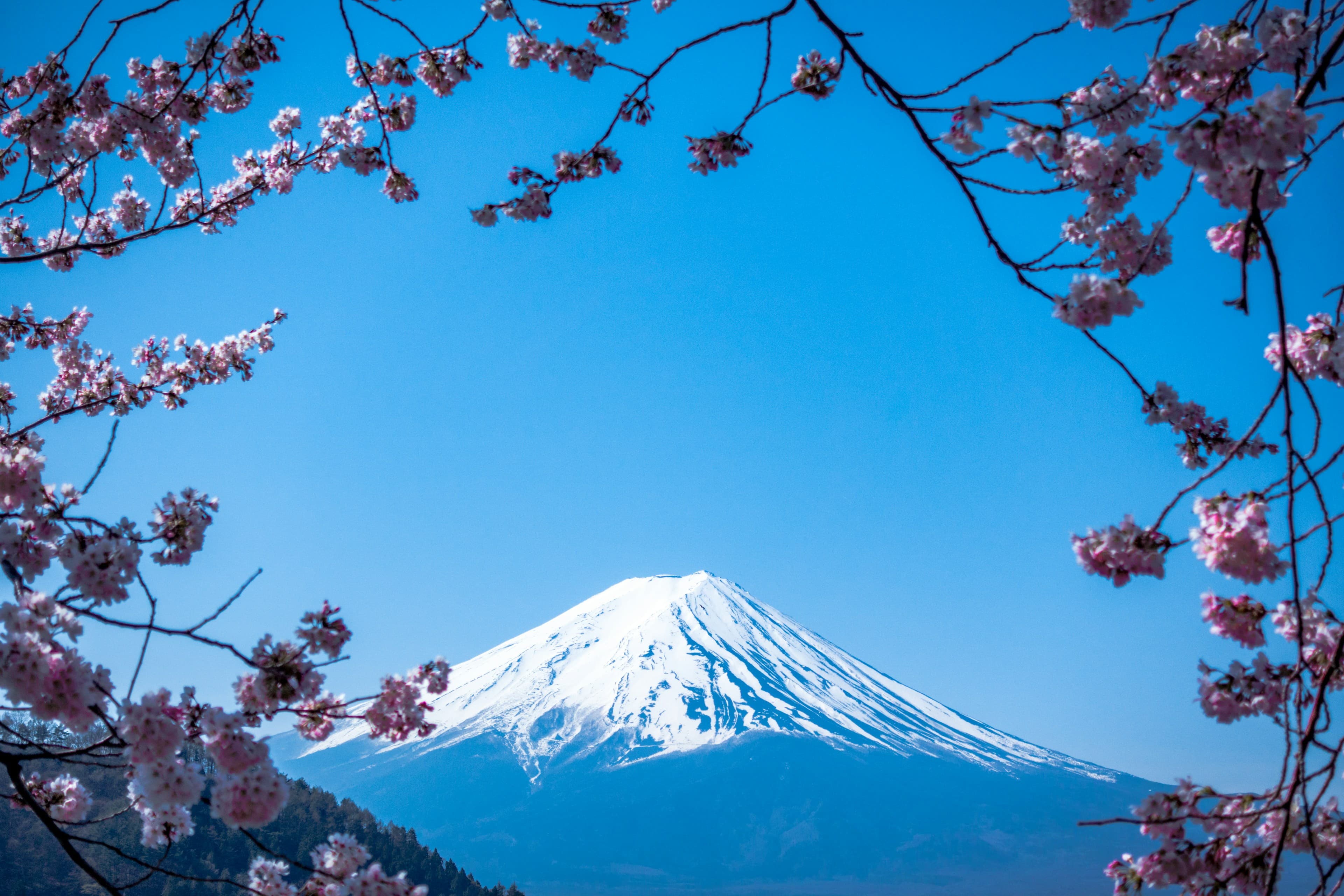
Yamanashi
Ski With Mt. Fuji