LOADING RESORTS...
Myōkō Suginohara
Niigata
4.4
1,725 reviews
Overview
Myōkō Suginohara is where Japan serves up one of its longest runs (8.5km from summit to base) alongside the kind of high-altitude powder that makes your legs burn and your face hurt from grinning. This is the resort where Hokkaido powder hunters go when they want 1,124 vertical meters of pure Japan Sea snow without the Instagram crowds – just you, the mountain, and enough terrain to make that 8.5km descent feel like a pilgrimage.
Getting There
2.5-3 hours from Tokyo via Hokuriku Shinkansen to Nagano, then local train plus bus/taxi to resort
Quick Facts
Season
2025-12-13 - 2026-03-29
Crowds
LOW
English
●●●●●
2/5Lifts
5
Rating
4.4/5.0
(1,725 reviews)
Lift Operations
First Chair
08:30
Last Chair
16:00
Night Ops
No night skiing
About This Resort
Terrain
What's the Skiing Like at Myōkō Suginohara Ski Resort?
The numbers tell the story: 1,855m summit dropping 1,124 vertical meters across 17 runs that split perfectly between beginners (40%), intermediates (40%), and advanced (20%). The upper mountain around 1,500-1,800m holds serious powder thanks to those Japan Sea storms, while the famous 8.5km run from top to bottom is less a single trail and more a choose-your-own-adventure through varied terrain. Fair warning to snowboarders – those connecting trails at the bottom are pancake-flat and you'll be doing some walking.
Vibe Check
What's the Atmosphere Like?
This is a Japanese skiers' mountain with a smattering of international powder hunters who've figured out the secret. Weekdays feel like your private mountain – just you and a few locals who nod approvingly when they see you can actually ski. The base village of Suginosawa Onsen keeps things real with small ryokan, local ramen shops, and the kind of authentic Japan experience where pointing at menus is part of the charm. No English handholding here, but the snow speaks every language fluently.
"The 8.5km ride from top to bottom is a good leg workout! Very empty on a weekday."
— Google Review
Best For
Who Should Ski Myōkō Suginohara Ski Resort?
- ✓Intermediate skiers ready to graduate from Niseko's chaos and actually improve their long-run stamina
- ✓Powder hunters who want 13+ meters of annual snowfall without fighting Aussie tour groups for fresh lines
- ✓Anyone who gets genuinely excited about logging serious vertical – this mountain rewards fitness and commitment
Skip If
Who Might Want to Skip Myōkō Suginohara Ski Resort?
- ✗Your Japanese is limited to 'arigato' and you panic without English menus and staff
- ✗You're a snowboarder who hates flat sections – those bottom connectors will test your patience daily
- ✗You need terrain parks and halfpipes to stay entertained – the park exists but it's basic
Real Reviews
What Visitors Say
✓ The Good
- ✓Exceptional snow quality that rivals Niseko without the crowds
- ✓Genuinely long runs that provide a proper workout and sense of adventure
- ✓Fast-moving lifts with minimal wait times once you're on the mountain
⚠ Heads Up
- ⚠Connecting trails are extremely flat, requiring significant walking for snowboarders
- ⚠Limited English support throughout the resort
- ⚠Mountain dining options receive mixed reviews for quality and value
Timing
When's the Best Time to Visit?
January to mid-February delivers the deepest powder from those 13.4 meters of annual Japan Sea snowfall. Avoid New Year week when even this quiet mountain sees crowds – weekdays in January are pure gold with empty lifts and fresh tracks on that legendary 8.5km descent.
Watch Out
Mistakes to Avoid
- Snowboarders underestimating how flat the bottom connector trails are – you'll be unstrapping and walking
- Expecting English support beyond basic pointing and gesturing – bring translation apps
- Not building up leg strength for that 8.5km run – it's a legitimate endurance test that will humble you
Pro Tips
Insider Tips
- Take the gondola first thing but skip the crowded main runs – head to the tree runs in the upper Suginohara zone where locals go to escape the few tourists
- That 8.5km run sounds epic but pace yourself – reviewers consistently mention it's a proper leg workout that'll humble even strong skiers
- Pack your own lunch or eat before you go up – the mountain dining gets mixed reviews and you'll want to maximize your time on those long runs
Off the Mountain
Food & Après-Ski
Dining
Basic mountain cafeterias with standard ski resort fare – nothing special but adequate. The real dining happens down in Suginosawa village where local spots serve proper ramen and home-style Japanese food.
Nightlife
Limited – this is an onsen village that winds down early. Your evening entertainment is soaking in hot springs and maybe finding a small local izakaya.
Location
Stats
Peak Elevation
1855m
Vertical Drop
1124m
Skiable Area
90ha
(222ac)
Total Runs
17
Terrain Distribution
40%
Grn
40%
Red
20%
Blk
Features
- Gondola
- Terrain Park
- Tree Runs
- Equipment Rental
Other Myōkō Resorts
Same ski pass, different terrain
Frequently Asked Questions
Myōkō Suginohara delivers exceptional skiing with one of Japan's longest runs at 8.5km from summit to base, dropping 1,124 vertical meters across 17 runs. The resort receives 13+ meters of annual snowfall with powder quality that rivals Niseko but without the crowds. The upper mountain (1,500-1,800m) holds serious powder from Japan Sea storms, and weekdays feel like your private mountain with minimal lift lines.
Learn moreYes, with 40% beginner terrain across 17 runs, Myōkō Suginohara offers solid beginner options. However, this resort is better suited for intermediates ready to improve their stamina on long runs rather than first-timers. Fair warning: limited English support means you'll need to navigate lessons and facilities with minimal language assistance.
Learn moreTake the Hokuriku Shinkansen from Tokyo to Nagano (around 1.5-2 hours), then catch a local train plus bus or taxi to reach the resort. Total journey time is 2.5-3 hours door-to-door. Plan your connections carefully as English signage becomes limited once you leave the shinkansen.
Learn moreJanuary to mid-February delivers the deepest powder from the resort's 13.4 meters of annual Japan Sea snowfall. Avoid New Year week when even this quiet mountain sees crowds - weekdays in January are pure gold with empty lifts and fresh tracks on that legendary 8.5km descent.
Limited English - you'll find basic signs and ticket counter communication, but don't expect much beyond pointing and gesturing. This is a Japanese skiers' mountain where most visitors are domestic, so bring translation apps and be prepared to navigate with minimal English support throughout the resort and base village.
Rarely crowded - weekdays feel like your private mountain with just a few locals. Even weekends only see moderate crowds from 9am-2pm, then things quiet down again. The fast-moving lifts mean minimal wait times once you're on the mountain, especially compared to more tourist-heavy resorts.
That 8.5km top-to-bottom run isn't just marketing - it's a legitimate leg-burner that drops you through multiple climate zones from alpine powder to base village. Every descent feels like a mini expedition rather than just another run, making it unique among Japan's ski resorts. The combination of serious vertical (1,124m) and uncrowded slopes rewards fitness and commitment.
Snowboarders should know the bottom connector trails are extremely flat requiring significant walking and unstrapping. Build up leg strength beforehand - that famous 8.5km run is a legitimate endurance test that will humble even strong skiers. Skip the crowded main runs and head to the tree runs in the upper Suginohara zone where locals find powder stashes, and pack your own lunch since mountain dining gets mixed reviews.
Yes, the upper resort offers excellent tree runs with great snow quality - this is where locals go to find powder stashes and escape the few tourists. The tree skiing zones provide better snow preservation than exposed runs and add variety to that long descent. Head there first thing after the gondola opens for the best conditions.
Quick Facts
Season
2025-12-13 - 2026-03-29
Crowds
LOW
English
●●●●●
2/5Lifts
5
Rating
4.4/5.0
(1,725 reviews)
Lift Operations
First Chair
08:30
Last Chair
16:00
Night Ops
No night skiing
More in Niigata
8 other resorts nearby
Continue Exploring
Other Regions
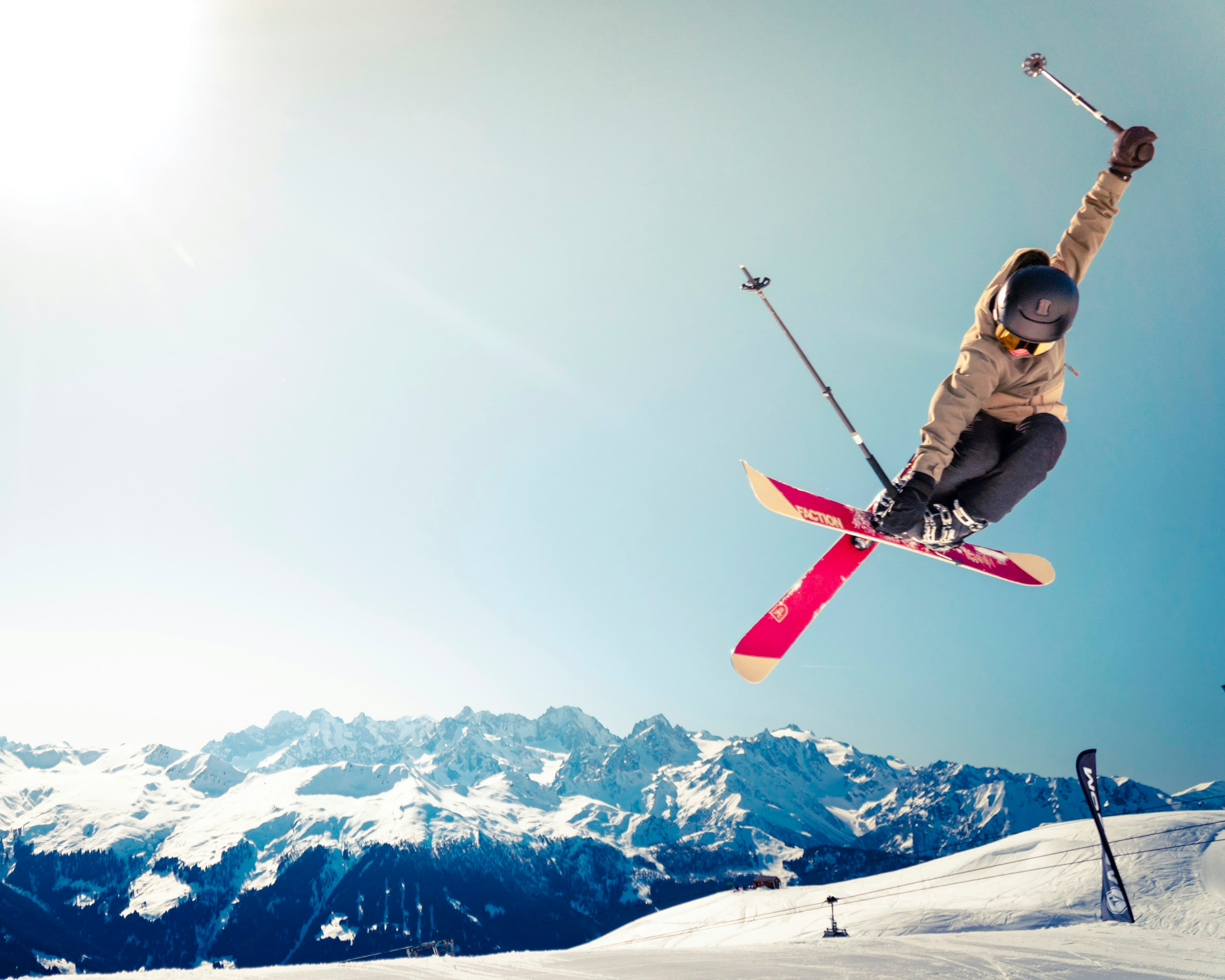
Hokkaido
The North Sector
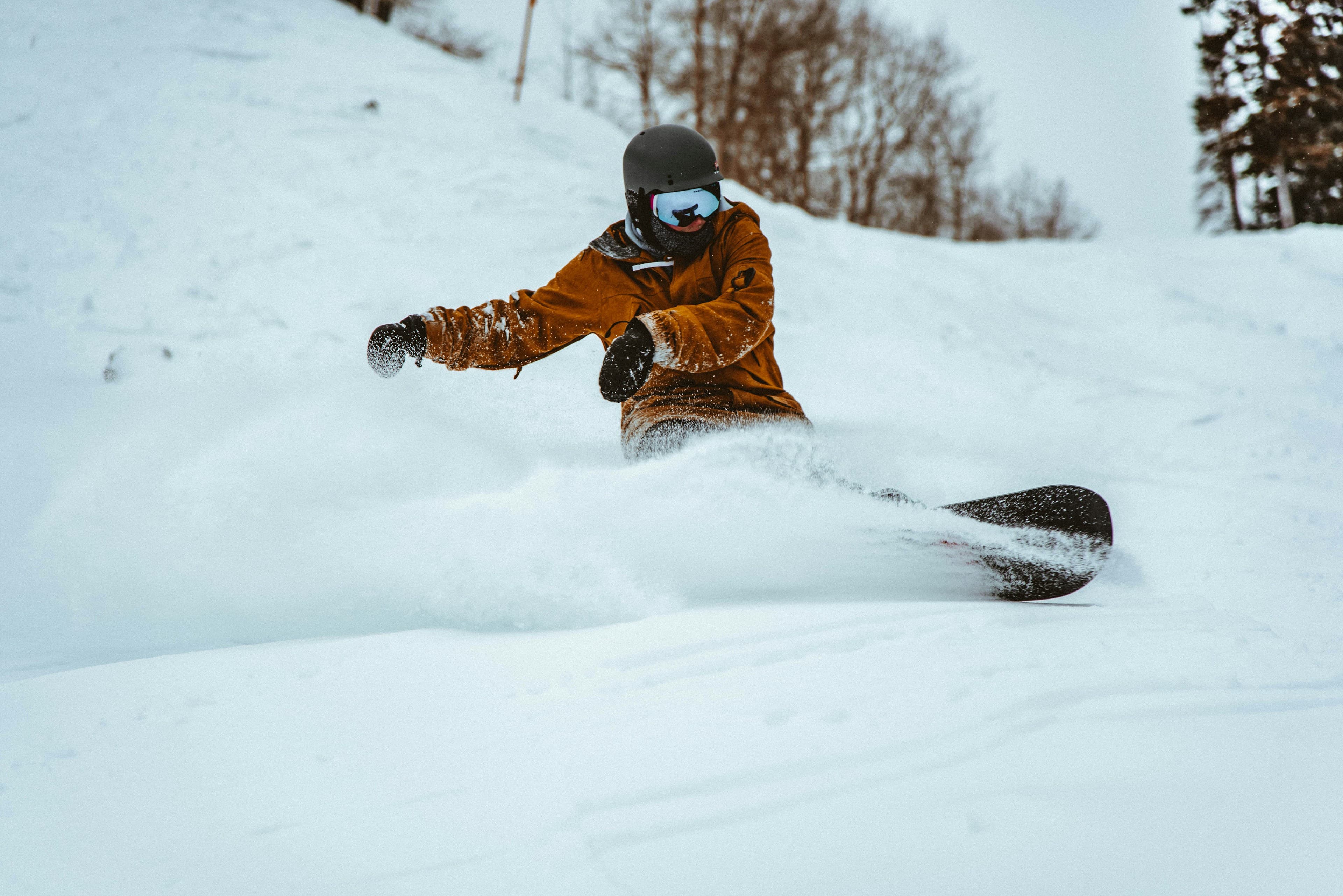
Nagano
The Japanese Alps
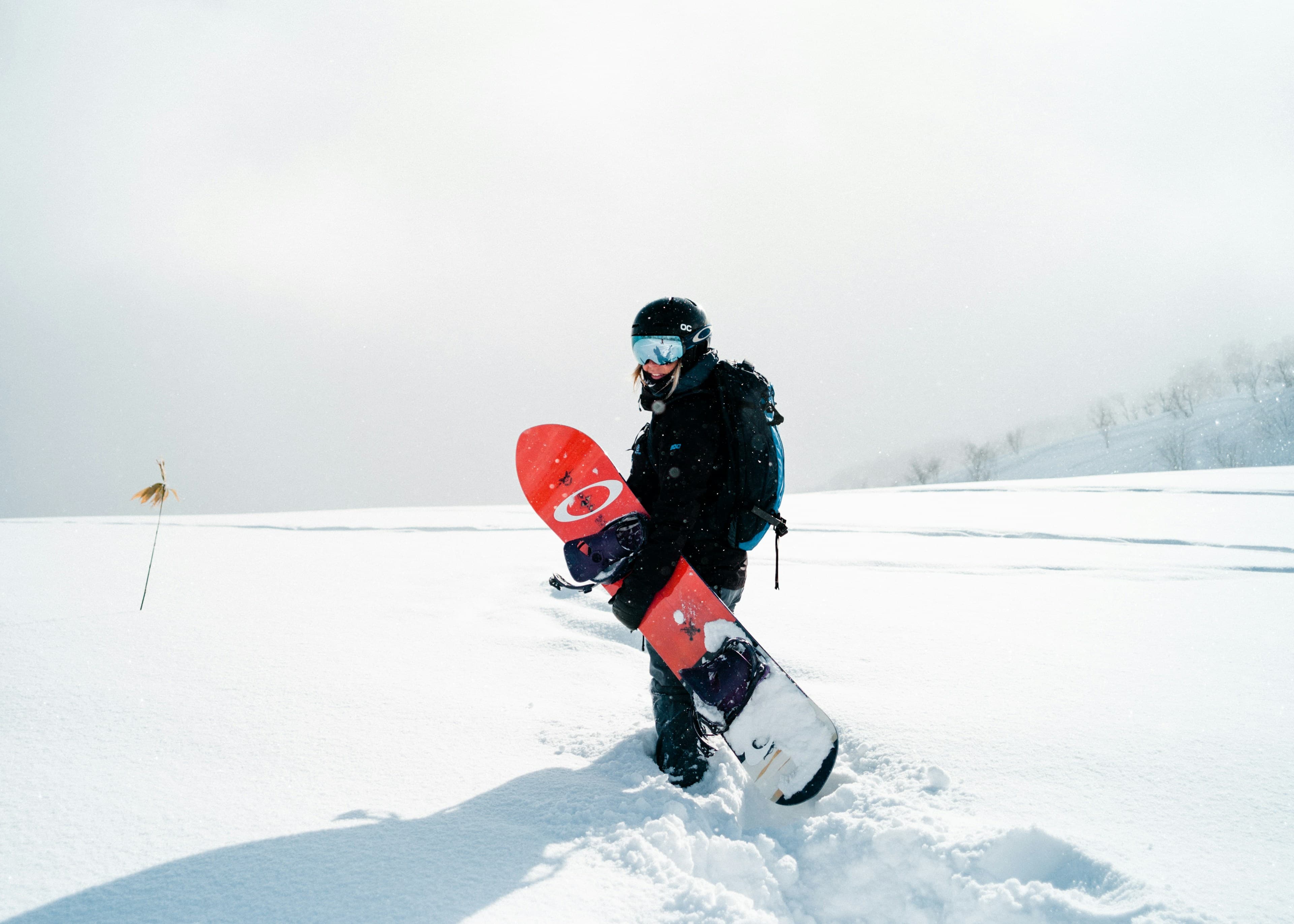
Niigata
Snow Country
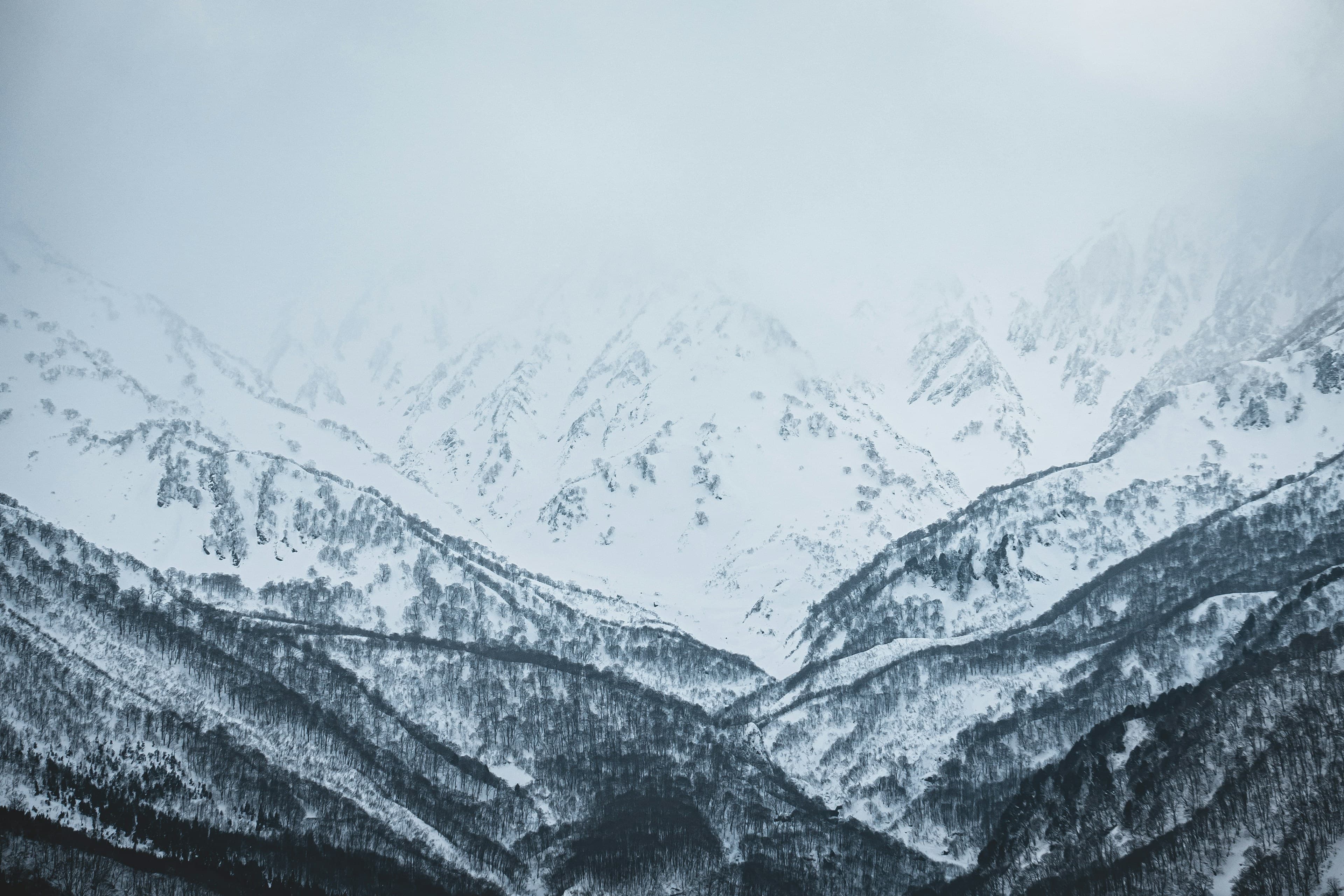
Tohoku
The Powder Frontier
Akita
Budget Powder Paradise
Aomori
Honshu's Deepest Powder
Fukushima
Hidden Powder Sanctuary
Gunma
Tokyo's Secret Powder Stash
Iwate
Tohoku's Powder Secret
Yamagata
Snow Monsters & Onsen
Yamanashi
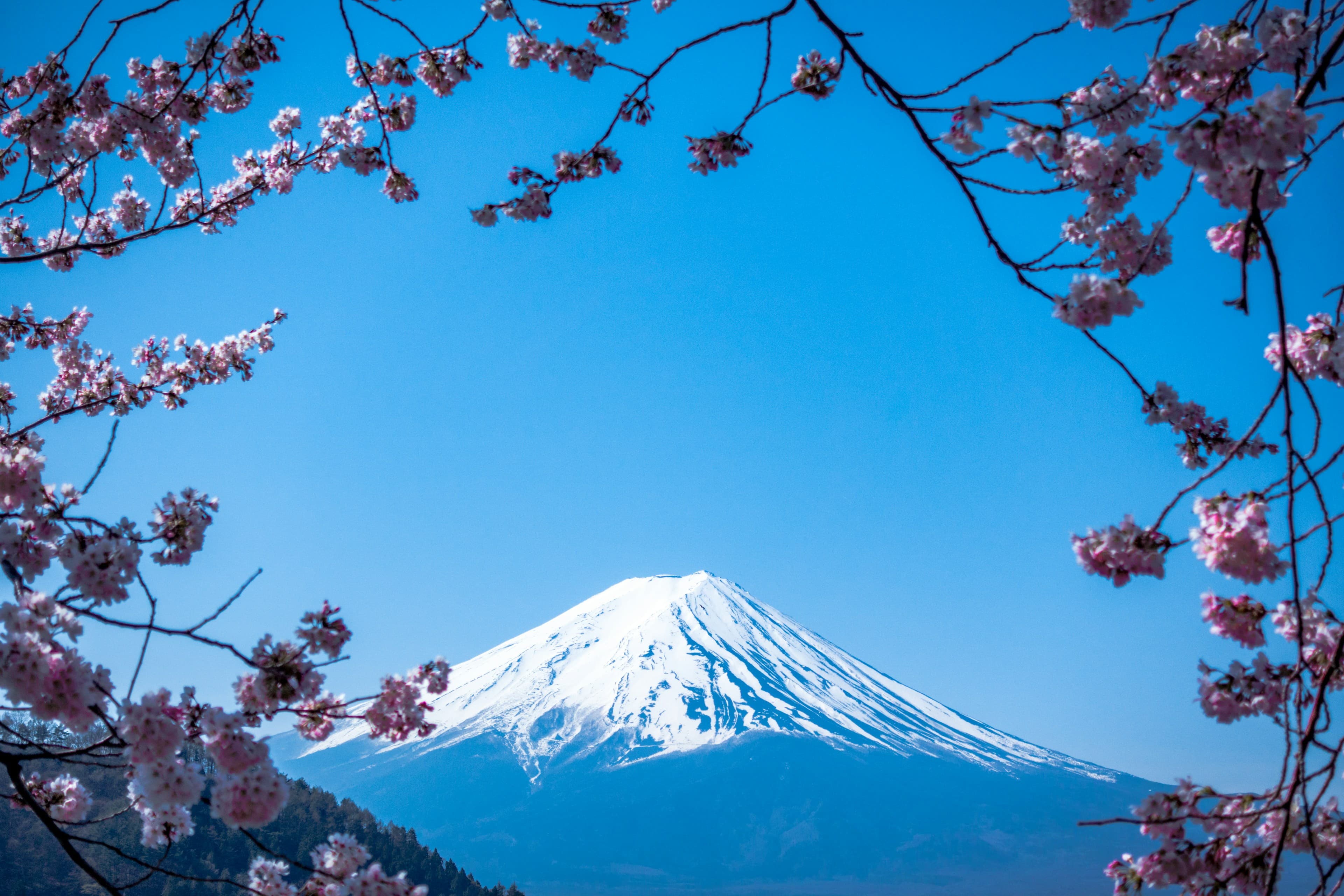
Ski With Mt. Fuji