LOADING RESORTS...
Akakura Onsen
Niigata
4.1
940 reviews
Overview
Akakura Onsen is where old-school Japan meets serious powder - a historic hot springs village that happens to have legitimate steep terrain above it. This is your antidote to Niseko's Instagram chaos: proper tree skiing, 750cm of annual snowfall, and onsen baths older than your country.
Getting There
Joetsu Shinkansen to Myoko-Kogen Station then bus/taxi to resort - shuttle runs every 30 minutes during peak season
Quick Facts
Season
Early December - Late March
Crowds
LOW
English
●●●●●
2/5Lifts
14
Rating
4.1/5.0
(940 reviews)
Lift Operations
First Chair
08:30
Last Chair
16:00
Night Ops
Night skiing extends beyond daytime hours
About This Resort
Terrain
What's the Skiing Like at Akakura Onsen Ski Area?
Don't let the beginner-friendly rep fool you - 20% of the terrain is genuinely advanced, with tree runs that'll test your skills. The 740m vertical at Akakura Onsen connects to Akakura Kanko for a combined 1,100m+ vertical drop. It's not massive, but the snow quality more than makes up for it.
The Onsen Experience
Multiple ryokans and hotel facilities, rotenburo and indoor, with mountain views
Vibe Check
What's the Atmosphere Like?
Quiet midweek, populated by more Aussie instructors than tourists during shoulder season. This is traditional Japan - one main street, limited English, early bedtimes. The skiing feels relaxed with short lift lines, but don't mistake relaxed for boring.
"It's a quiet 'one street' town and with a little bit of investment this town could really light up, but the gorgeous views and comfortable slopes make it worth the trip"
— Google Review
Best For
Who Should Ski Akakura Onsen Ski Area?
- ✓Intermediates ready to progress beyond groomed runs - the tree skiing here is accessible but rewarding
- ✓Powder hunters who want guaranteed fresh tracks without fighting crowds
- ✓Anyone seeking the full Japan experience: ski hard, soak in 300-year-old baths, eat exceptional local food
Skip If
Who Might Want to Skip Akakura Onsen Ski Area?
- ✗Your Japanese stops at 'arigato' and you panic without English menus - this is old-school Japan
- ✗You need challenging expert terrain to feel alive - the steeps are fun but not scary
- ✗You're chasing nightlife or international crowds - the village goes quiet by 9pm
Real Reviews
What Visitors Say
✓ The Good
- ✓No lift lines with helpful staff and affordable pricing
- ✓Long, well-groomed runs perfect for progression
- ✓Exceptional local food and gorgeous mountain views
⚠ Heads Up
- ⚠Limited food choices that don't always meet international expectations
- ⚠Lots of flat connecting terrain between slopes requiring constant pushing
- ⚠Some lifts frequently closed despite expensive day tickets
Timing
When's the Best Time to Visit?
January through February for peak powder conditions - the 750cm annual snowfall and 1,885m elevation ensure quality snow retention. Avoid New Year week crowds; weekdays offer the best combination of fresh snow and empty slopes.
Watch Out
Mistakes to Avoid
- Buying single-mountain tickets when you need the combined area pass to access the full terrain
- Expecting extensive English support and international food options in this traditional village
- Not checking lift closure status before paying full-price day tickets - some lifts close frequently
Pro Tips
Insider Tips
- Buy the combined Akakura Kanko/Akakura Onsen ticket or you'll feel ripped off - half the mountain for the same price is not the move
- Hit the traditional village onsen baths instead of hotel facilities - they're free and the locals know which ones have the best mountain views
- Weekdays in January are golden - minimal crowds and consistently deep powder thanks to the 1,885m peak elevation
Off the Mountain
Food & Après-Ski
Dining
Limited options centered on traditional Japanese fare. The local food is described as exceptional, though international visitors may find choices restrictive. Mountain restaurants provide basic fare in the mid-mountain areas.
Nightlife
Minimal - this is a traditional onsen village that rolls up early. Focus is on post-ski onsen soaking rather than bars or clubs.
Location
Stats
Peak Elevation
1885m
Vertical Drop
740m
Total Runs
17
Terrain Distribution
40%
Grn
40%
Red
20%
Blk
Features
- Equipment Rental
- Gondola
- Night Skiing
- Terrain Park
- Tree Runs
Other Akakura Resorts
Same ski pass, different terrain
Frequently Asked Questions
Akakura Onsen delivers serious powder with 750cm of annual snowfall and legitimate steep terrain that rewards skilled skiers. The 740m vertical connects to Akakura Kanko for a combined 1,100m+ drop, with accessible tree skiing throughout and minimal lift lines. What sets it apart is the authentic hot springs village at the base - 300-year-old bathhouses where you can soak after powder laps.
Learn moreYes - 40% of the terrain is beginner-friendly with long, well-groomed runs perfect for progression. The relaxed vibe and short lift lines mean less intimidation and more time practicing. Just be aware that English support is limited and there's lots of flat connecting terrain requiring constant pushing between slopes.
Learn moreTake the Joetsu Shinkansen from Tokyo to Myoko-Kogen Station, then catch a bus or taxi to the resort. Shuttle buses run every 30 minutes during peak season, making the connection straightforward. Total journey time is around 2.5-3 hours depending on connections.
Learn moreJanuary through February delivers peak powder conditions - the 750cm annual snowfall and 1,885m elevation ensure quality snow retention throughout the season. Weekdays in January are golden for minimal crowds and consistently deep powder. Avoid New Year week crowds and you'll get the best combination of fresh snow and empty slopes.
Yes - this is a legitimate historic hot springs village with multiple ryokans and hotel facilities offering rotenburo (outdoor baths) and indoor options with mountain views. Hit the traditional village onsen baths instead of hotel facilities - they're free and locals know which ones have the best views. The village's 300-year-old bathhouses are as much of an attraction as the skiing itself.
Limited English - basic signs and ticket counters exist, but don't expect much beyond that. This is old-school traditional Japan with minimal international infrastructure. If your Japanese stops at 'arigato' and you panic without English menus, this might not be your spot.
Rarely crowded even on weekends - this is your antidote to Niseko's Instagram chaos. Weekdays average 54% capacity versus 69% on weekends, with Sunday at 11am hitting peak (100% capacity). The relaxed vibe means short lift lines and plenty of fresh tracks, especially midweek in January.
Eight connected ski areas within 10 minutes of each other, all anchored by a legitimate onsen village with historic bathhouses and mountain views from the rotenburo. This is the full Japan experience: accessible tree skiing, 750cm of powder, and 300-year-old baths at the base. You get serious terrain without the international crowds found at bigger resorts.
Yes - night skiing extends beyond the standard 8:30am-4:00pm daytime hours. The terrain park and select runs stay lit after dark, giving you more powder time before hitting the village onsen baths.
Buy the combined Akakura Kanko/Akakura Onsen ticket or you'll feel ripped off - half the mountain for the same price is not the move. Check lift closure status before paying full-price day tickets, as some lifts close frequently despite expensive tickets. Be prepared for flat connecting terrain requiring constant pushing between slopes, and expect limited English support in this traditional village that goes quiet by 9pm.
Quick Facts
Season
Early December - Late March
Crowds
LOW
English
●●●●●
2/5Lifts
14
Rating
4.1/5.0
(940 reviews)
Lift Operations
First Chair
08:30
Last Chair
16:00
Night Ops
Night skiing extends beyond daytime hours
More in Niigata
8 other resorts nearby
Continue Exploring
Other Regions
Hokkaido
The North Sector
Nagano
The Japanese Alps
Niigata
Snow Country
Tohoku
The Powder Frontier
Akita
Budget Powder Paradise
Aomori
Honshu's Deepest Powder
Fukushima
Hidden Powder Sanctuary
Gunma
Tokyo's Secret Powder Stash
Iwate
Tohoku's Powder Secret
Yamagata
Snow Monsters & Onsen
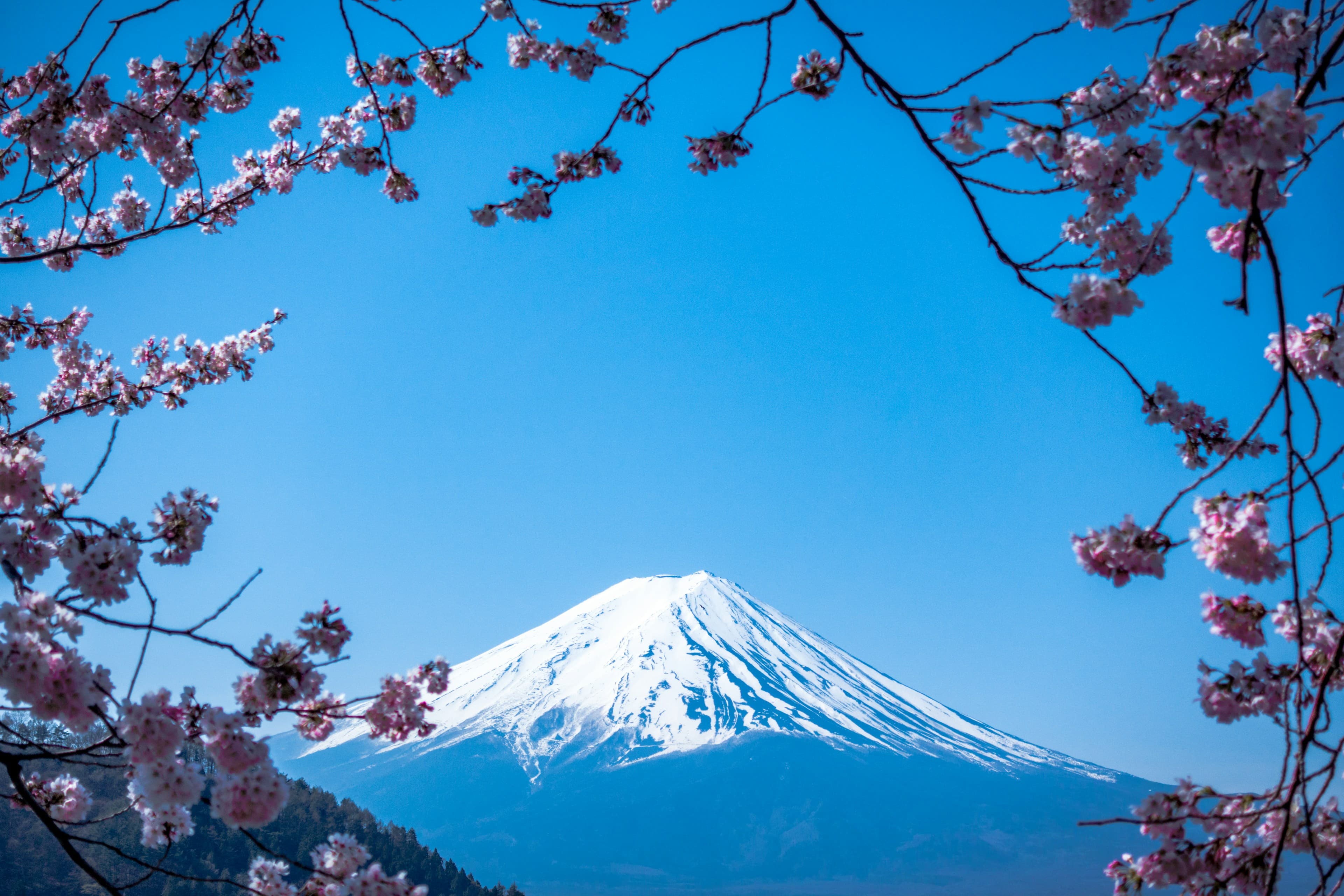
Yamanashi
Ski With Mt. Fuji