LOADING RESORTS...
Kagura Snow Resorts
Niigata
4.3
622 reviews
Overview
Kagura delivers serious high-alpine terrain at nearly 1,850m elevation where snow stays cold and dry well into May. While everyone crowds Niseko's Instagram-famous runs, you'll be floating through waist-deep powder on 6km of continuous vertical with actual Japanese skiers who know what they're doing.
Getting There
2-3 hours from Tokyo via Joetsu Shinkansen to Echigo-Yuzawa, then bus or shuttle - plan carefully as buses don't run frequently
Quick Facts
Season
Late November - Mid-May
Crowds
LOW
English
●●●●●
2/5Lifts
24
Rating
4.3/5.0
(622 reviews)
About This Resort
Terrain
What's the Skiing Like at Kagura Snow Resorts?
This is proper high-alpine skiing with 1,225m of vertical spread across three interconnected mountains. The upper elevations serve genuine advanced terrain (30% of the mountain) with tree runs that hold powder for days, while the lower sections offer mellow cruising for building confidence. At 169 hectares, it's not massive, but the terrain variety punches above its weight - everything from groomed boulevards to legitimate backcountry-style tree skiing.
Vibe Check
What's the Atmosphere Like?
Kagura attracts serious Japanese powder hounds and the occasional gaijin who's done their homework. Weekdays feel like a private mountain club - you'll see the same local rippers sessioning the same secret stashes. The base facilities are functional rather than fancy, but nobody cares when you're floating through champagne powder at 1,800m while the coast gets rain.
"Best ski resort close to Tokyo - lots of tree runs and very scenic, but very weather dependent and often closed from high winds"
— Google Review
Best For
Who Should Ski Kagura Snow Resorts?
- ✓Powder hunters who want legitimate terrain without the Niseko circus - this is where Tokyo skiers come to actually ski
- ✓Intermediates ready to level up to tree skiing and off-piste exploration in a less intimidating environment
- ✓Snow geeks who geek out over long seasons - skiing in May while wearing shorts at the base? Yes please
Skip If
Who Might Want to Skip Kagura Snow Resorts?
- ✗Your Japanese vocabulary stops at 'arigatou' and you need English menus to function - this is local territory
- ✗You're chasing vibrant apres-ski scenes - the mountain rolls up by 4:30pm and that's about it
- ✗Wind makes you grumpy - the exposed upper lifts shut down regularly, sometimes stranding you on the wrong mountain
Real Reviews
What Visitors Say
✓ The Good
- ✓Incredible tree skiing and untracked powder that lasts for days
- ✓High elevation means reliable snow quality when lower resorts struggle
- ✓Virtually empty on weekdays - feels like your private mountain
⚠ Heads Up
- ⚠Frequent lift closures due to wind, especially the critical connections between areas
- ⚠Very limited dining options with questionable food quality at the new restaurant
- ⚠Poor English support and communication about lift closures
Timing
When's the Best Time to Visit?
January through February for peak powder conditions at elevation, though the season runs nearly six months thanks to the 1,845m summit. Weekdays are dramatically less crowded, and the high altitude means you can still find legitimate skiing into May when most resorts are done.
Watch Out
Mistakes to Avoid
- Not checking wind conditions before heading up - strong winds shut down key lifts and can strand you on the wrong mountain
- Expecting frequent bus service from Echigo-Yuzawa station - plan your return timing carefully
- Trusting online lift status over actual conditions - lifts show open but close without much notice
Pro Tips
Insider Tips
- When the Tashiro ropeway closes due to wind (which happens a lot), everyone floods the Kagura side - hit the trees on Kagura Main before the crowds figure it out
- The new Mitsumata restaurant gets terrible reviews but costs the same as good food - walk the extra 5 minutes to find literally anything else
- Strong winds will trap you on whichever mountain you start on, so check the weather and pick your side wisely - the Dragondola connection shuts down first
Off the Mountain
Food & Après-Ski
Dining
Limited options with mixed reviews - the new SNOW MAN restaurant at Mitsumata gets consistently poor marks for food quality despite decent facilities. Most locals bring their own food or keep it simple with basic mountain fare.
Nightlife
None - this is a day mountain that clears out by late afternoon
Location
Stats
Peak Elevation
1845m
Vertical Drop
1225m
Skiable Area
169ha
(418ac)
Total Runs
23
Terrain Distribution
35%
Grn
35%
Red
30%
Blk
Features
- Gondola
- Terrain Park
- Halfpipe
- Tree Runs
- Equipment Rental
Other Kagura Resorts
Same ski pass, different terrain
Frequently Asked Questions
Kagura delivers serious high-alpine terrain at nearly 1,850m elevation with 1,225m of vertical spread across three interconnected mountains. The terrain variety punches above its weight - 169 hectares offering everything from groomed boulevards to legitimate backcountry-style tree skiing, with 30% advanced terrain that holds powder for days. What sets it apart is Japan's longest ski season (November to May), still offering 2+ meters of base coverage when other resorts are closing in April.
Learn moreKagura has 35% beginner terrain with mellow cruising sections on the lower elevations, making it workable for beginners building confidence. However, this resort attracts serious Japanese powder hounds and isn't particularly beginner-focused - limited English support and functional rather than fancy base facilities mean you'll need some independence. If you're ready to level up from beginner to intermediate tree skiing, this is actually an ideal progression mountain.
Learn moreTake the Joetsu Shinkansen from Tokyo to Echigo-Yuzawa Station (around 2-3 hours total), then catch a bus or shuttle to the resort. Plan your timing carefully - buses don't run frequently, so check the schedule in advance to avoid getting stranded at the station on your return trip.
Learn moreJanuary through February delivers peak powder conditions at elevation, though Kagura's season runs nearly six months thanks to its 1,845m summit. Weekdays are dramatically less crowded than weekends, and the high altitude means you can still find legitimate skiing into May when most resorts are done. If you're chasing that surreal experience of skiing in May while wearing shorts at the base, this is your spot.
Limited English - basic signs and ticket counters exist, but don't expect much beyond that. This is local territory where your Japanese vocabulary needs to go beyond 'arigatou' to function comfortably. Poor English support extends to communication about lift closures, which happen frequently due to wind.
Rarely crowded - weekdays feel like a private mountain club where you'll see the same local rippers sessioning secret stashes. Weekends see more traffic from 9am-1pm, but even then it's manageable. You'll practically have the mountain to yourself midweek, which is when the serious powder hunters come out.
Japan's longest ski season - November to May - thanks to serious elevation that keeps snow cold and dry well into Golden Week. When other resorts are closing in April, Kagura still has 2+ meters of base coverage and you can ski into May. While everyone crowds Niseko's Instagram-famous runs, you'll be floating through waist-deep powder on 6km of continuous vertical with actual Japanese skiers who know what they're doing.
Check wind conditions before heading up - strong winds shut down key lifts regularly and can strand you on the wrong mountain, with the Dragondola connection closing first. Don't expect frequent bus service from Echigo-Yuzawa station, so plan your return timing carefully. Skip the new Mitsumata restaurant (terrible reviews, same price as good food) and walk the extra 5 minutes to find better options.
Yes - Kagura has extensive ungroomed tree runs throughout the mountain with particularly good powder stashes that hold snow well due to high elevation and north-facing aspects. The tree skiing is legitimate backcountry-style terrain where powder lasts for days, especially on the Kagura Main side. When the Tashiro ropeway closes due to wind, hit these trees before the crowds figure it out.
Quick Facts
Season
Late November - Mid-May
Crowds
LOW
English
●●●●●
2/5Lifts
24
Rating
4.3/5.0
(622 reviews)
More in Niigata
11 other resorts nearby
Continue Exploring
Other Regions
Hokkaido
The North Sector
Nagano
The Japanese Alps
Niigata
Snow Country
Tohoku
The Powder Frontier
Akita
Budget Powder Paradise
Aomori
Honshu's Deepest Powder
Fukushima
Hidden Powder Sanctuary
Gunma
Tokyo's Secret Powder Stash
Iwate
Tohoku's Powder Secret
Yamagata
Snow Monsters & Onsen
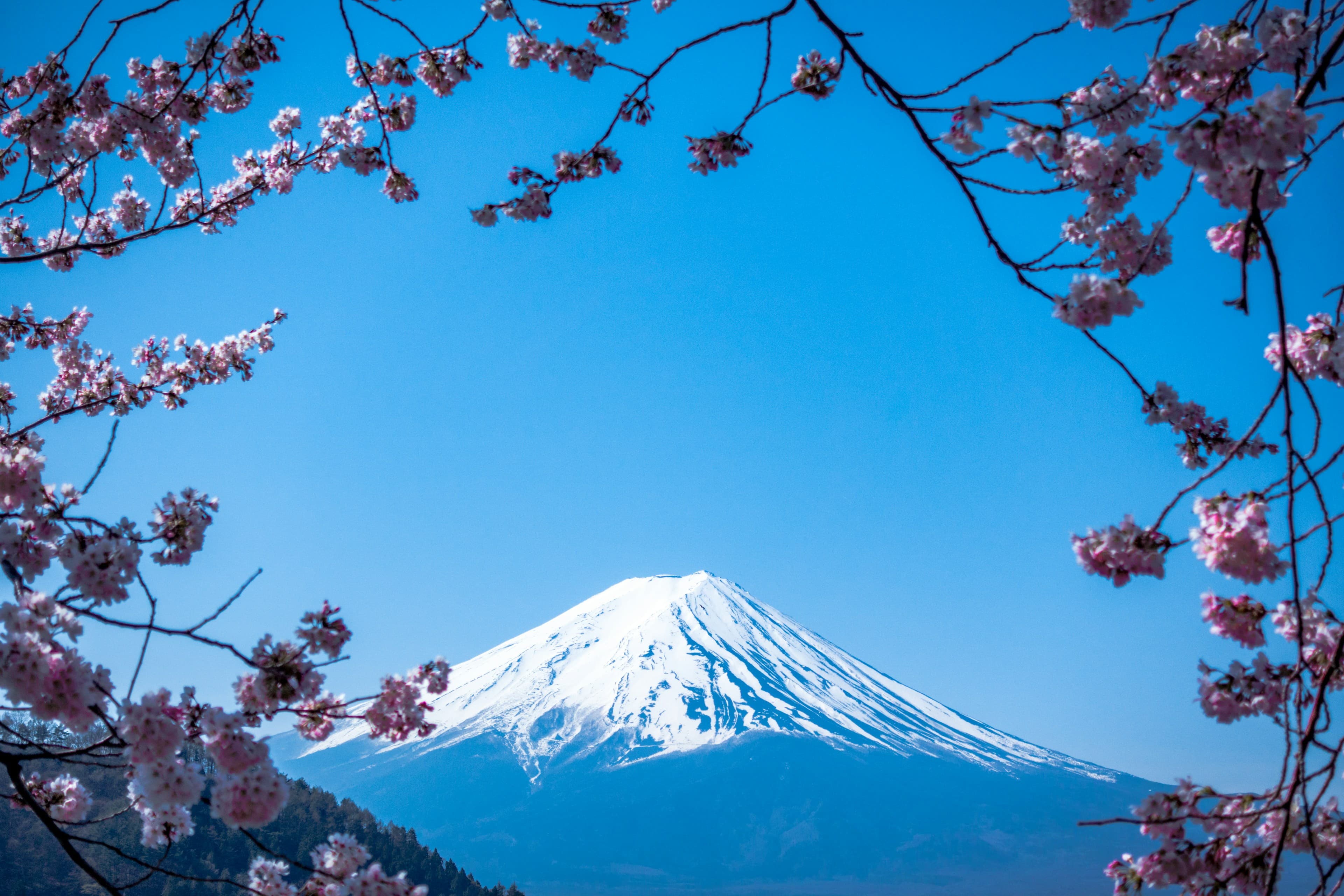
Yamanashi
Ski With Mt. Fuji